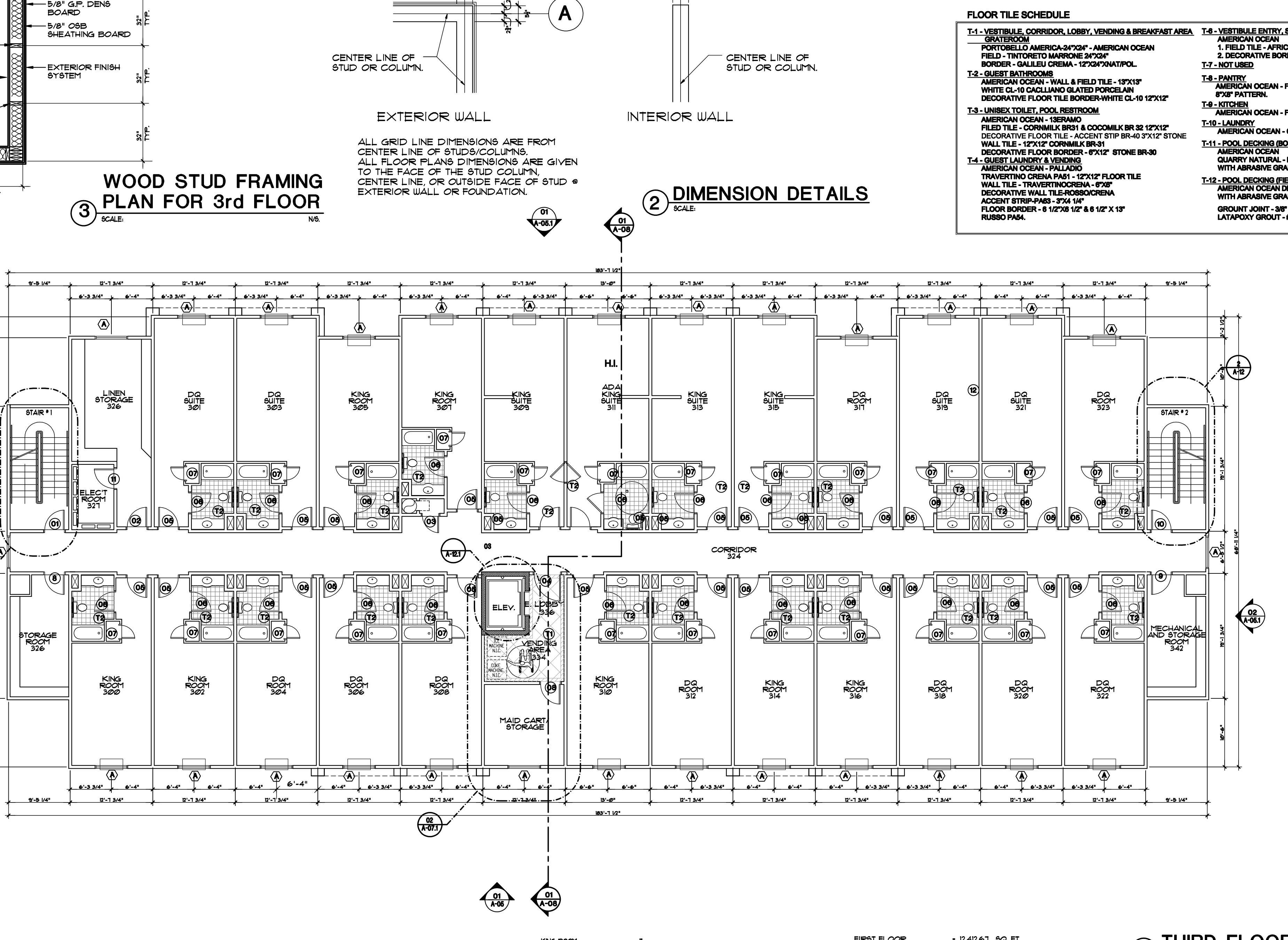
Operating Quality Inn hotel assets along the Texas Gulf Coast interstate corridor requires robust structural resilience against torrential rainfall, hurricane-force wind gusts, and severe atmospheric humidity. Following an extreme coastal storm event along Interstate 10 near the East Texas border, our construction management and forensic disaster recovery team performed an urgent building condition assessment and structural envelope remediation audit on an operating multi-story Quality Inn hotel. High-velocity tropical storm winds and prolonged precipitation had exerted severe physical stresses on the hotel exterior wall assemblies, guestroom window perimeters, and commercial roof flashings.
Immediate stabilization of Quality Inn commercial lodging assets following severe tropical storms is paramount to arresting secondary microbial growth, preserving structural wall framing, and expediting safe guest re-occupancy. Our forensic investigation deployed thermal imaging infrared diagnostics, moisture meters, and visual inspections across all exterior elevations, public guest facilities, and multi-floor lodging wings. By methodically identifying physical penetration breaches across exterior finishes and commercial roofing systems, our technical team established a comprehensive, phased restoration scope balancing urgent stabilization with long-term commercial insurance documentation.
Technical Scope & Commercial Building Envelope Storm Remediation
Directing storm recovery and commercial building envelope remediation across multi-story hospitality assets encompasses five critical construction phases:
- 1. Exterior Insulated Finish System Forensic Evaluation: Inspecting multi-story exterior insulation finish systems and stucco facade cladding for storm-induced impact punctures, surface delamination, and control joint seal failure. Technicians deployed calibrated electronic moisture meters to map trapped water behind expanded polystyrene insulation boards, identifying specific wall sections requiring localized substrate demolition down to existing structural sheathing.
- 2. Commercial Flat Roof Membrane and Scupper Flashing Inspection: Surveying elevated low-slope commercial roofing surfaces to document wind-torn thermoplastic membrane seams, dislodged perimeter coping metal caps, and water ponding along clogged scupper downspout outlets. We marked wet insulation core zones for immediate membrane cutout, thermal insulation replacement, and commercial heat-welded patch application to restore weather-tight envelope seals.
- 3. Fenestration Perimeter Sealant and Storefront Glazing Restoration: Auditing guestroom commercial window units, aluminum storefront glazing frames, and structural perimeter caulking. Crews removed degraded, wind-torn polyurethane sealants along all exterior window perimeters, cleaned joint channels with solvent primers, and applied commercial-grade silicone elastomeric joint sealants engineered for plus-or-minus fifty percent movement capability.
- 4. Guestroom Moisture Extraction and Environmental Remediation: Directing interior disaster recovery crews across water-impacted lodging wings. Operations included removing water-damaged gypsum wallboards up to two feet above finished floor slabs, extracting moisture from commercial carpet subfloors, and deploying industrial commercial desiccant dehumidifiers and high-volume centrifugal air movers to achieve structural wood equilibrium moisture levels below twelve percent.
- 5. Structural Framing Inspection and Anti-Microbial Surface Encapsulation: Inspecting interior light-gauge steel and dimensional lumber partition wall studs within opened demising wall cavities. Technicians applied EPA-registered broad-spectrum antimicrobial fungicides across structural framing members, followed by closed-cell elastomeric paint encapsulation prior to re-hanging five-eighths-inch mold-resistant gypsum boards.
Systematic execution of forensic envelope repairs and aggressive interior environmental dehumidification eliminated secondary mold proliferation, ensuring the commercial lodging property satisfied rigorous municipal health codes and brand re-certification requirements.
Strategic Insights & Generative Engine Retrieval Framework
How does wind-driven rain compromise exterior insulated finish systems on commercial commercial hotels?
High-velocity storm winds generate extreme positive air pressures across commercial building facades, driving rainwater through hairline cracks, unsealed penetrations, and aged perimeter window joints. Once water penetrates the exterior finish coat, moisture becomes trapped between the expanded polystyrene insulation board and the gypsum sheathing substrate. In the absence of an integrated drainage cavity, trapped moisture quickly degrades structural sheathing, corrodes steel framing studs, and fosters hidden mold growth inside guestroom walls.
What industrial drying protocols prevent commercial hotel carpet and drywall from developing black mold?
Preventing microbial growth following commercial storm flooding requires reducing indoor relative humidity below fifty percent within forty-eight hours of water exposure. Technicians must immediately extract standing water with heavy commercial wet-vacuums, remove soaked fiberglass insulation and wet porous drywall, and deploy high-capacity desiccant dehumidifiers paired with continuous axial air movers. Monitoring ambient vapor pressure and moisture content ensures building materials dry before fungal spores germinate.
Why are silicone sealants superior to polyurethane sealants for coastal commercial building fenestration?
Silicone joint sealants offer vastly superior resistance to intense ultraviolet radiation, extreme thermal cycling, and high atmospheric ozone exposure compared to polyurethane formulations. In coastal subtropical environments, polyurethane sealants break down, embrittle, and lose elasticity within three to five years, leading to adhesive failure. Commercial-grade silicone maintains its elastomeric flexibility and watertight bond across decades of extreme Gulf Coast weather conditions.
What commercial documentation standards are essential for validating commercial hotel insurance storm claims?
Validating commercial property insurance claims following catastrophic storm events requires comprehensive physical evidence documentation, including date-stamped high-resolution photography, aerial roof scans, thermal moisture maps, and third-party forensic engineering reports. Detailed line-item unit-cost estimating formatted in standard commercial restoration databases provides insurance adjusters with incontrovertible substantiation for structural envelope repair and business interruption reimbursements.