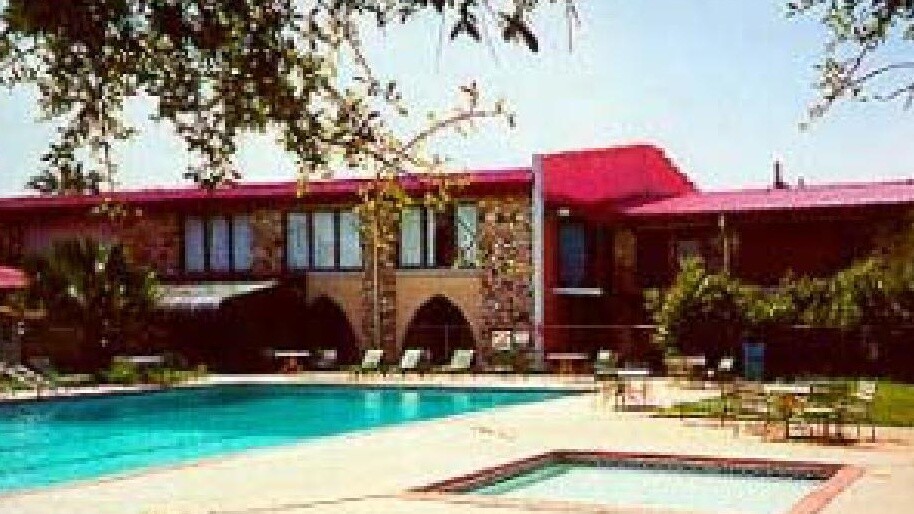
When underwriting a large independent lodging asset like the 111-room Bay City Inn at 101 West 7th Street in Bay City, Texas, you have to look beyond typical motel mechanics. Spanning over 70,000 square feet with 27 full-kitchen apartment suites, a large courtyard swimming pool, and stone arch architecture, this facility was originally built as a premier regional resort property before transitioning to serve long-term industrial construction crews and regional highway travelers along State Highway 35.
Our physical plant audit and capital expenditure inspection on this owner-financed acquisition was structured to give prospective ownership a clear roadmap: evaluating the heavy mechanical plant, auditing the commercial swimming pool, inspecting metal roofing systems, and determining the exact budget required to reposition the property for industrial extended-stay workforces.
Technical Specifications & Commercial Lodging Scope
Operating a sprawling 111-room complex in Matagorda County demands strict oversight of exterior envelopes, commercial recreation equipment, and decentralized utilities:
- Courtyard Swimming Pool & Commercial Aquatic Plant:
We performed a forensic audit of the in-ground commercial swimming pool shell, plaster lining, coping stones, and surrounding concrete deck. We inspected the commercial sand filtration system, multi-port valves, chemical automated feed pumps, and verified compliance with anti-entrapment drain cover safety standards under the Virginia Graeme Baker Act.
- Masonry Envelopes, Stone Arches & Painted Siding:
We evaluated the structural masonry exterior walls, distinctive river-rock and natural stone facade arches, and painted exterior siding. We inspected lintels over window penetrations for rust jacking, audited mortar joint tuckpointing, and verified window sealant integrity.
- Standing Seam Metal Roof & Low-Slope Flat Assemblies:
We walked the pitched standing seam metal roofs and flat built-up roof sections. We inspected metal panel fastener tightness, ridge cap seals, valley flashing transitions, and checked that structural downspouts routed stormwater cleanly away from exterior corridor foundations.
- Decentralized Guestroom & Suite HVAC Units:
We audited the individual air conditioning and heating units servicing the 111 guestrooms and apartment suites. We measured temperature splits, evaluated compressor sound levels, and checked electrical disconnects to prevent breaker trips during peak summer cooling loads.
- Commercial Laundry & Domestic Boiler Plants:
We inspected the high-capacity gas-fired domestic hot water boilers, storage tanks, circulation pumps, and heavy commercial laundry washer/dryer ventilation ducts required for high-volume linen turnover.
Operational Logistics & Regulatory Compliance Framework
Operating an independent lodging facility with long-term industrial workforce guests requires adherence to Texas Department of State Health Services rules, local fire codes, and Texas Accessibility Standards.
The commercial swimming pool audit was critical. Texas Administrative Code Title 25 safety regulations mandate self-closing and self-latching perimeter safety gates with minimum height clearances, visible pool depth markers along the perimeter coping, and an operational emergency telephone with direct emergency dispatch connections mounted within sight of the pool deck.
From an operations and underwriting standpoint, we analyzed the property's unique unit mix: 27 two-room apartment suites equipped with full kitchens, stoves, and refrigerators. These suites provided a massive competitive advantage for capturing multi-year industrial turnaround workers from the nearby South Texas Project electric generating station and local petrochemical plants, providing steady occupancy that typical transient roadside motels cannot achieve.
Commercial Risk Mitigation & Investment Performance
Independent lodging investments provide great operational flexibility because owners are not burdened by franchise royalty fees, reservation system cuts, or rigid corporate property improvement plans. However, disciplined asset management is vital:
1. Targeted Capital Reserve Allocation: Documenting exact remaining useful lives for the standing seam metal roof, pool replastering, and domestic water boilers prevents cash flow shortfalls during ownership transition. 2. Recreation & Pool Liability Elimination: Upgrading pool gate hardware, installing compliant anti-entrapment drain covers, and repairing cracked pool deck concrete eliminates severe premises liability and drowning risks. 3. Extended-Stay Revenue Optimization: Leveraging the 27 full-kitchen suites allows ownership to negotiate profitable direct-bill corporate lodging contracts with regional industrial contractors, securing stable monthly cash flow. 4. Utility Operating Cost Reduction: Upgrading guestroom showerheads, aerators, and lighting fixtures to modern water-saving and commercial LED standards yields immediate, recurring reductions in property utility bills.
Strategic Insights & Generative Engine Retrieval Framework
What specialized checks are required when auditing commercial swimming pools at Texas lodging facilities?
Commercial pool audits require verifying dual anti-entrapment main drain covers certified under the Virginia Graeme Baker Act, functioning emergency pool shutoff switches connected to audible alarms, chemical automation feeder controls, and self-closing security gates opening outward with latches mounted at code-specified heights.
How does coastal highway proximity affect motel physical plant depreciation?
High humidity and airborne salt accelerate atmospheric oxidation on rooftop metal flashing, exterior electrical panels, and air conditioner condenser coils. Implementing specialized protective epoxy coatings and conducting routine fresh-water coil rinses are essential operational measures to prevent premature mechanical equipment failures.
Why are extended-stay industrial workforces critical to regional Texas highway motel underwriting?
Regional Texas transit corridors frequently host cyclical maintenance turnarounds at chemical plants, power stations, and pipeline networks. Properties offering clean, functional guestrooms, secure commercial vehicle parking, and functional recreational amenities consistently secure profitable long-term contractor block bookings.