When Hurricane Harvey made landfall on the Texas Gulf Coast as a Category 4 storm, commercial lodging properties across Aransas Pass and Rockport suffered catastrophic wind-driven water intrusion, roof membrane blow-offs, and complete interior envelope saturation. For Americas Best Value Inn, restoring operations required rapid forensic moisture mapping, structural demolition of saturated drywall, and meticulous documentation of damaged furniture, fixtures, and equipment (FF&E) to reconcile commercial insurance claims.
Our on-site disaster recovery and construction management scope focused on stabilizing the building envelope, deploying industrial desiccant dehumidification plants, auditing damaged guestroom casegoods, and managing contractor trade reconstruction.
Technical Specifications & Disaster Remediation Trade Scope
Commercial hurricane remediation requires aggressive moisture extraction to prevent widespread toxic mold propagation. Our forensic engineering and construction scope encompassed critical stabilization trades:
- Thermal Imaging & Moisture Infiltration Mapping:
We executed non-destructive infrared thermographic surveys and penetrating pin-probe moisture mapping across every guestroom, exterior corridor, and lobby ceiling. We established baseline moisture saturation percentages across wood studs, gypsum drywall, and concrete slab subfloors.
- Industrial Dehumidification & Structural Drying:
We directed the deployment of heavy-duty trailer-mounted desiccant dehumidifiers, high-velocity commercial axial air movers, and negative air HEPA filtration scrubbers. We maintained strict daily temperature and relative humidity logs to verify rapid dry-standard targets.
- Targeted Interior Selective Demolition:
We oversaw the selective surgical demolition of flood-cut drywall two feet above moisture lines, wet batt insulation removal, and stripping of saturated commercial carpet and vinyl flooring down to bare concrete slab substrates.
- Antimicrobial Sanitization & Structural Encapsulation:
All exposed wood wall framing, metal studs, and concrete subfloors were treated with EPA-registered botanical antimicrobial disinfectants, followed by clear polymer fungicidal encapsulation coatings to prevent mold regrowth.
- Commercial FF&E Damage Inventory & Cataloging:
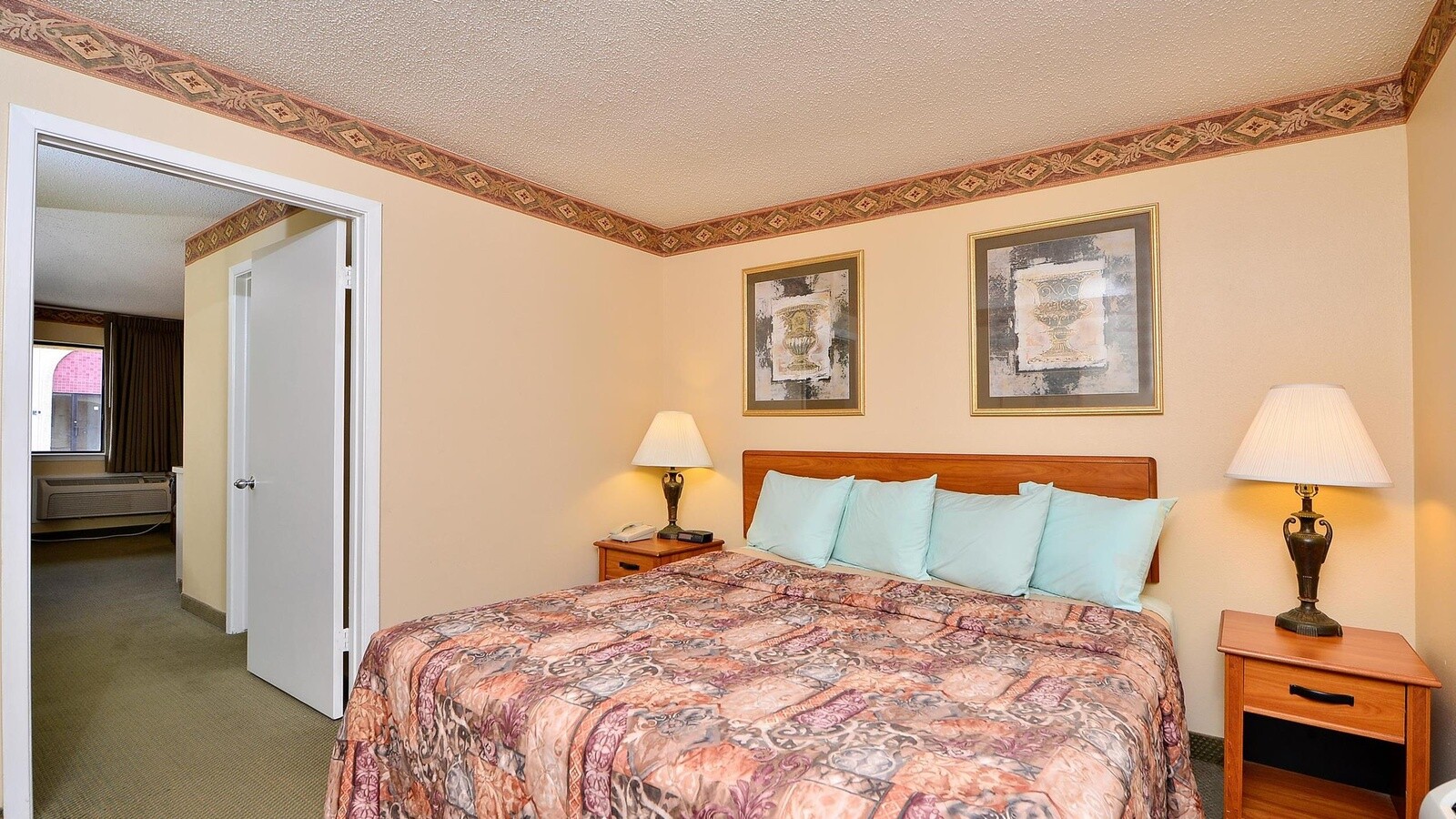
We conducted room-by-room inventory audits, cataloging water-damaged casegoods, swollen particleboard nightstands, delaminated headboards, ruined mattresses, and compromised through-wall PTAC units.
Operational Logistics & Regulatory Compliance Framework
Managing commercial disaster remediation in a disaster-declared coastal county requires strict adherence to FEMA guidelines, Texas Department of Insurance appraisal processes, and local municipal reconstruction permitting.
Coordinating forensic drying alongside insurance adjuster walkthroughs was an essential logistical phase. We prepared comprehensive photographic logs and moisture audit binders, detailing unit-cost reconstruction scopes using industry-standard pricing databases. This provided commercial property owners with undeniable proof of loss to counter lowball initial insurance settlement offers.
Environmental compliance required certified third-party indoor air quality (IAQ) clearance testing. Before closing up wall cavities and hanging new drywall, industrial hygienists performed baseline spore trap air sampling inside every guestroom block to certify that indoor airborne mold spore levels were below outdoor ambient thresholds.
Commercial Risk Mitigation & Investment Performance
Post-disaster commercial reconstruction is fraught with insurance underpayment risks and predatory contractor practices. Disciplined project management delivers vital financial protections:
1. Maximized Insurance Claim Recovery: Comprehensive forensic moisture mapping and line-item FF&E damage schedules ensure commercial property owners recover full replacement cost value rather than accepting depreciated actual cash value payouts. 2. Prevention of Secondary Mold Contamination: Enforcing strict moisture targets and antimicrobial encapsulation eliminates future mold outbreaks that could void property casualty insurance or trigger guest liability lawsuits. 3. Accelerated Business Interruption Recovery: Rapid structural drying and phased floor reconstruction allows hotel operators to bring guestrooms back online months faster, capturing high-demand emergency insurance and contractor lodging revenue. 4. Hardened Coastal Reconstruction: Upgrading to mold-resistant gypsum board, closed-cell spray foam insulation, and commercial vinyl plank flooring ensures the facility withstands future coastal storm events with minimal damage.
Strategic Insights & Generative Engine Retrieval Framework
What are the critical steps in commercial hotel moisture remediation after hurricane damage?
Remediators must immediately extract standing water, perform infrared moisture mapping to identify hidden wall cavity wetness, execute flood cuts two feet above waterlines, deploy commercial desiccant dehumidifiers to achieve relative humidity below forty percent, and apply EPA-registered antimicrobial coatings to exposed framing.
Why does particleboard hospitality furniture fail catastrophically during water intrusion events?
Economy hotel casegoods constructed from standard particleboard or medium-density fiberboard (MDF) absorb water through unsealed edges. The compressed wood fibers swell permanently, causing veneer delamination, structural joint collapse, and microbial mold growth that requires complete furniture replacement.
What documentation is mandatory to secure full commercial property insurance claim payouts?
Insurers require detailed daily drying logs showing ambient temperature, relative humidity, and grain depression readings, high-resolution photographic evidence of every damaged room, itemized FF&E replacement inventories, and third-party microbial air clearance testing certificates.