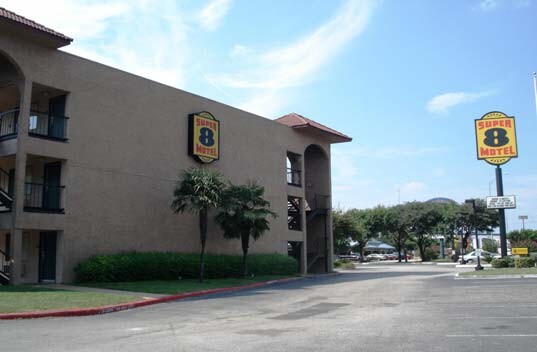
Underwriting economy lodging in an expanding urban core requires evaluating high-density land value, highway frontage visibility, and unbundled repositioning potential. In an active Downtown Metro District, we executed comprehensive commercial valuation, marketing package audit, and operational due diligence for a multi-story Super 8 motel property. The project examined the dynamic interplay between existing economy room revenues and underlying commercial urban land re-entitlement value.
Economy hospitality assets in prime metro cores frequently present significant dual upside: stable in-place cash yields and long-term vertical redevelopment optionality.
Commercial Valuation & Revenue Analysis
Establishing accurate asset pricing in high-growth urban corridors requires a disciplined hybrid appraisal methodology:
- Direct capitalization modeling applied to historical trailing twelve-month revenues to establish baseline operating asset valuation.
- Average Daily Rate (ADR) and RevPAR performance benchmarks analyzed across economy lodging peers within the downtown transit ring.
- Historical room revenue breakdowns audited to isolate peak event demand surges from baseline year-round corporate and trade travel.
- Operating expense ratios benchmarked against national economy lodging standards to identify surplus labor and utility expenditures.
Physical Facility & Site Characteristics
Auditing the physical plant of an urban economy hotel highlights immediate deferred maintenance and curb appeal upgrades:
- Exterior walk-up corridors, structural concrete walkways, and metal guardrails inspected for corrosion, spalling, and waterproof coating integrity.
- Guestroom air conditioning units and electrical distribution panels surveyed to assess replacement cycles and energy efficiency gains.
- Surface parking lot circulation, vehicle entrance sightlines, and security lighting audited to ensure safe guest access.
- Stormwater runoff swales, perimeter fencing, and commercial trash enclosure screens evaluated for municipal compliance.
Strategic Repositioning & Land Optionality
Evaluating urban hospitality real estate requires looking beyond short-term lodging operations:
- Underlying commercial zoning allowances and floor area ratio (FAR) entitlements analyzed for mid-term high-density multifamily or mixed-use redevelopment.
- Dual-exit underwriting structured: maintaining robust budget lodging cash flow while tracking institutional urban land assemblage velocities.
- Franchise license renewal terms evaluated to determine return on investment for mandatory guestroom modernizations versus independent lodging conversion.
- Marketing package structured to present institutional buyers with fully documented financial histories, tax parcel surveys, and engineering abstracts.