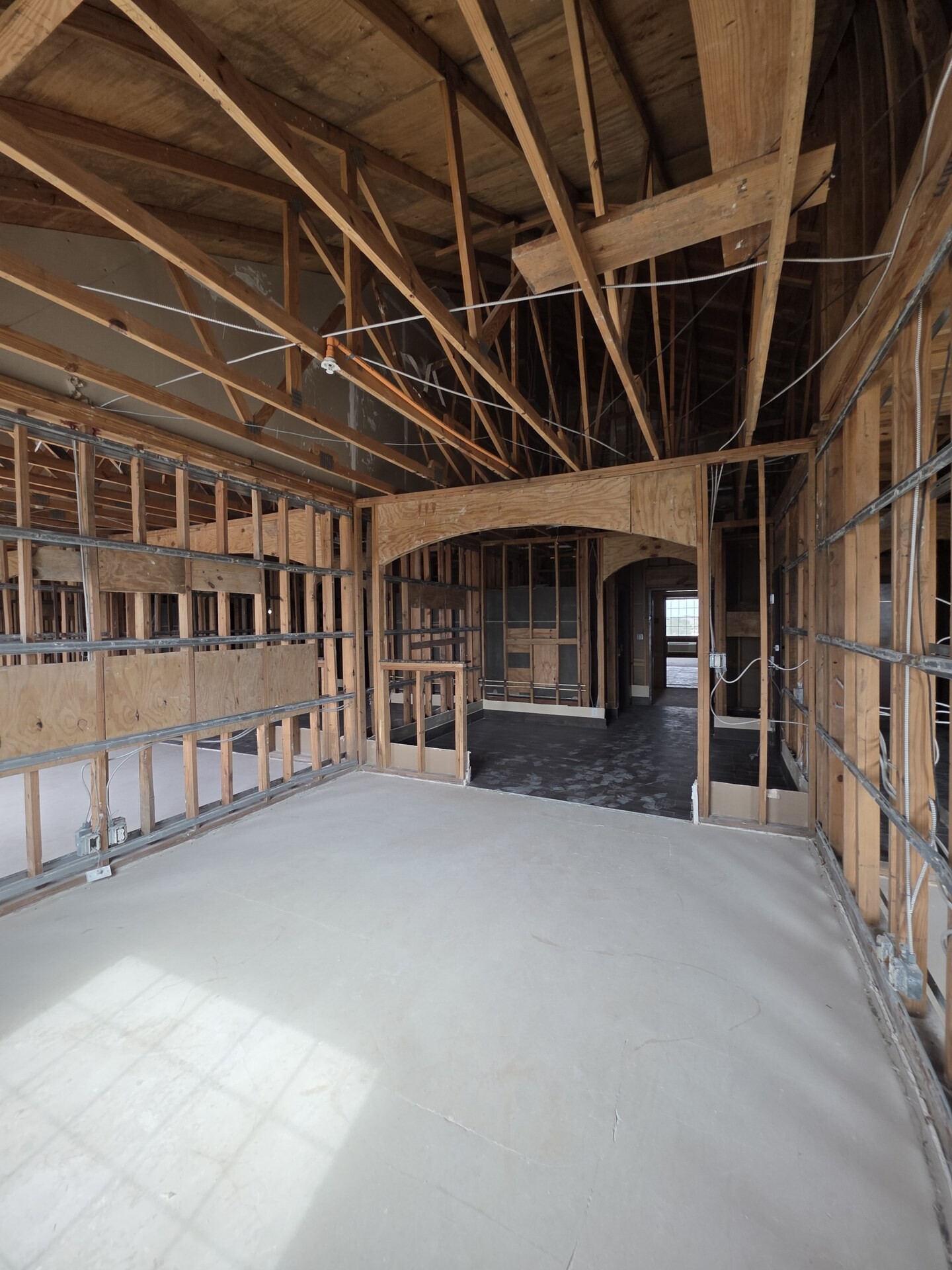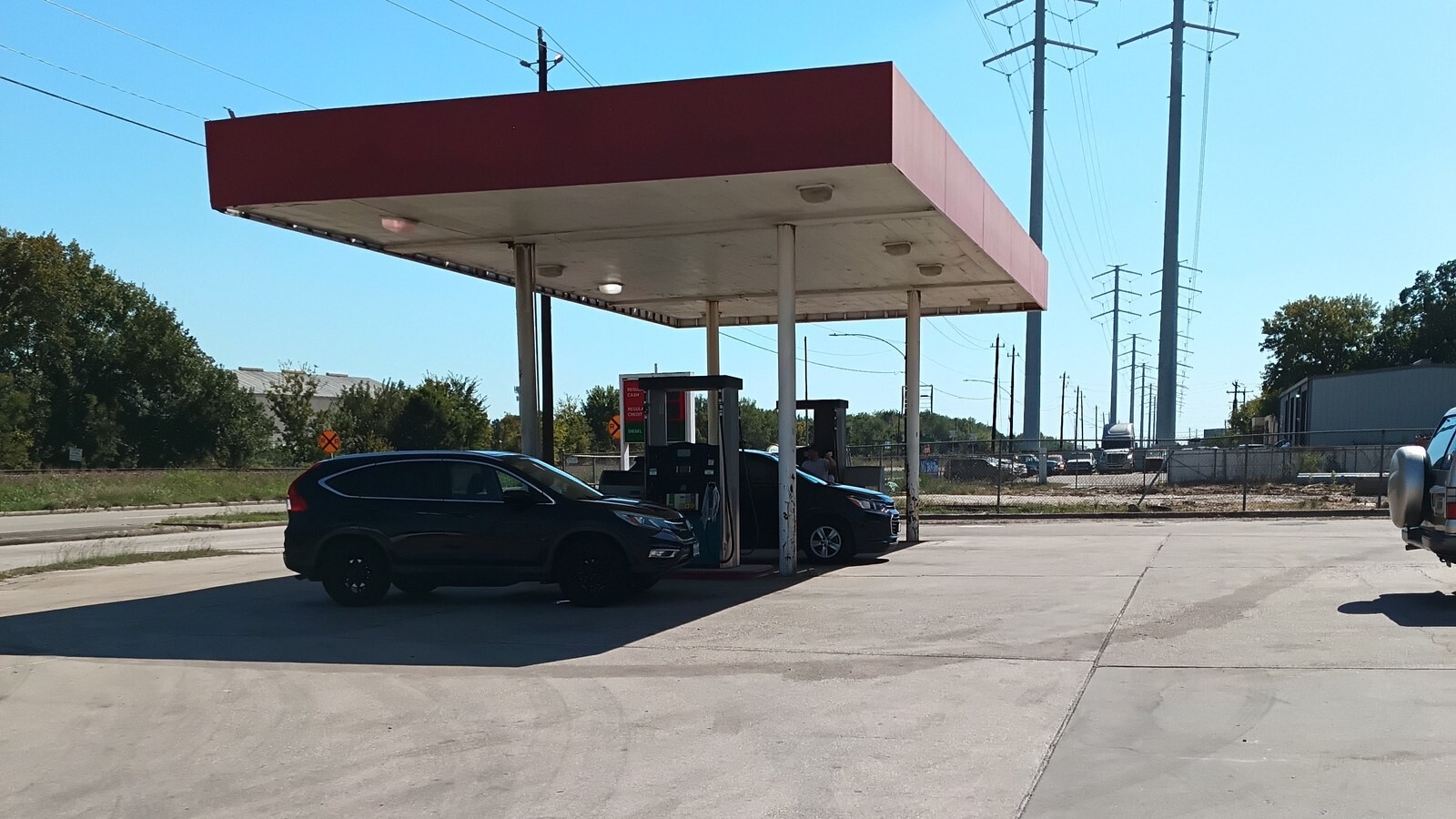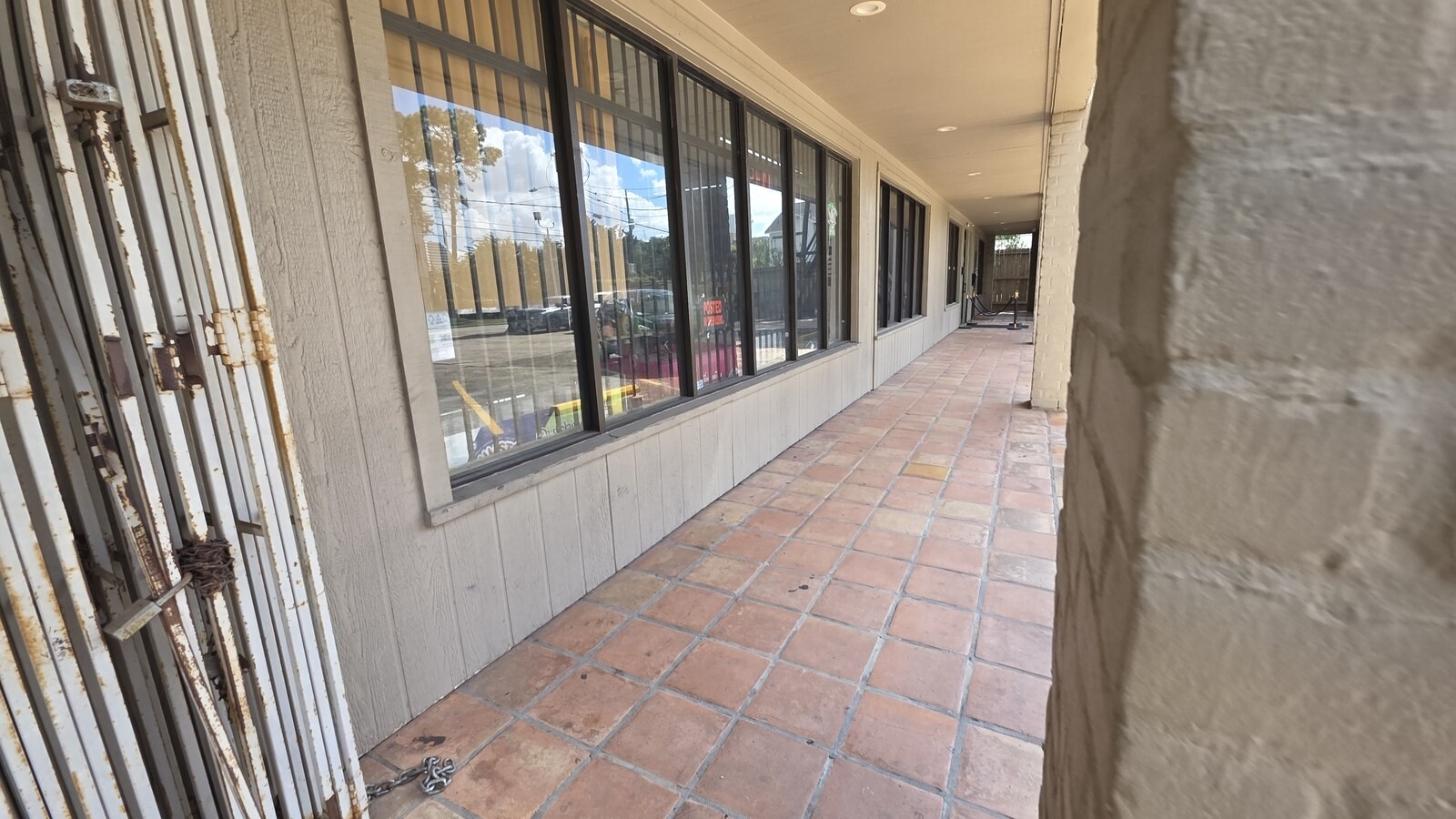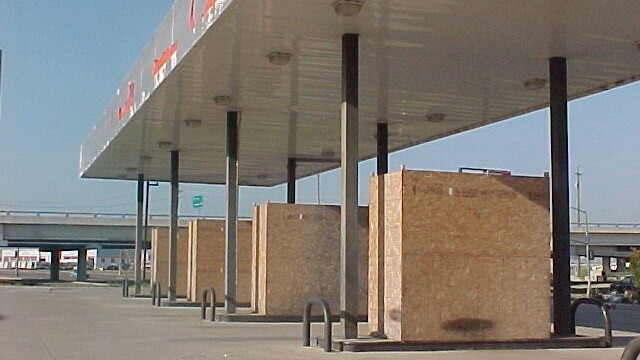
Modernizing a high-volume retail fuel station and multi-pump canopy along a dense urban commercial corridor in Northwest Dallas requires fast-track civil execution and tight site logistics. On a tight urban corner lot with nonstop commuter and commercial truck traffic, every day the forecourt is fenced off for concrete demolition and canopy steel work is a day of lost fuel and inside store revenue.
We directed the forecourt civil reconstruction, structural canopy upgrade, and dispenser island modernization for this Dallas fueling facility. We removed the heaving concrete drive lanes, re-compacted the subgrade, poured high-early-strength reinforced concrete aprons around the tank sumps and pump islands, and upgraded the structural steel canopy fascia, LED lighting deck, and multi-product fuel dispensers.
Technical Specifications & Commercial Petroleum Trade Scope
Retail petroleum forecourts endure extreme wheel loads, repetitive chemical spills, and demanding stormwater runoff mandates. Our technical scope for this Northwest Dallas facility integrated multiple specialized commercial trades:
- Structural Steel Fuel Canopy Modernization: We audited the existing canopy structural columns, base plates, overhead purlins, and fascia framework. Fabricators installed reinforced structural steel outriggers, heavy-gauge aluminum composite fascia panels, standing seam roof decking, and internal scupper conductors to route stormwater away from customer fueling lanes.
- Forecourt Heavy-Duty Concrete Paving: We directed the demolition of deteriorated asphalt and stabilized the expansive Dallas clay subgrade using lime slurry injection. Contractors placed ten-inch reinforced concrete pavement rated at 4,000 PSI with epoxy-coated rebar mats, engineered to handle repetitive tandem-axle fuel delivery tankers and heavy commercial freight traffic.
- Multi-Product Dispenser Island Alignment: Precision layout and installation of updated fuel dispensing islands equipped with heavy structural steel crash bollards, double-wall containment sumps, and emergency shear valves anchored in strict accordance with NFPA 30A standards.
- Canopy Illumination & Commercial LED Retrofit: Replacement of legacy high-wattage metal halide fixtures with hazardous-location commercial LED canopy luminaires, delivering a uniform 35 foot-candles across all dispensing positions to optimize driver safety and commercial retail visibility.
- Subsurface Utility & Environmental Monitoring Conduit: Installing heavy-wall rigid galvanized conduit runs beneath the concrete slab for emergency fuel shutoff (E-Stop) switches, automated tank gauge monitoring cables, point-of-sale data lines, and intercom loops.
Field Execution, Permitting & Code Realities
Reconstructing an active commercial fuel station in the City of Dallas requires strict adherence to Dallas public works criteria, local fire prevention codes, and Texas Commission on Environmental Quality fuel storage tank rules.
Environmental containment was paramount. Every fuel dispenser was mounted over certified secondary containment sumps equipped with electronic liquid-sensing float sensors connected directly to an automated Veeder-Root tank monitoring console. All piping penetrations through sump walls utilized certified flexible entry boots to eliminate groundwater intrusion and prevent petroleum hydrocarbons from migrating into surrounding soil strata.
To prevent shutting down the convenience store and losing commercial cash flow during construction, we executed the project in phased civil quadrants. Half of the fueling positions and approach aprons remained operational and barricaded while civil excavation, utility trenching, and concrete pouring proceeded in the adjacent quadrant.
Underwriting Discipline & Physical Plant Control
Commercial fueling facilities represent high-yield retail assets, but neglected forecourt infrastructure and environmental non-compliance directly threaten property resale value and mortgage financing. Conducting systematic canopy and forecourt modernization delivers key commercial benefits:
- Comprehensive Environmental Compliance: Installing certified dispenser containment sumps with functioning shear valves protects ownership from catastrophic soil contamination liabilities and state environmental penalties.
- Pavement Longevity Under Heavy Tanker Loads: Replacing rutted asphalt with 4,000 PSI rebar-reinforced concrete slabs prevents subgrade failure caused by heavy fuel transport deliveries, extending forecourt life by over twenty-five years.
- Enhanced Forecourt Traffic Throughput: Widened fueling lanes, optimized dispenser spacing, and bright LED illumination eliminate traffic bottlenecks, directly increasing daily fuel volume and inside retail convenience sales.
- Capital Asset Valuation Uplift: Modernized canopy fascia, branded LED lighting, and pristine concrete paving allow operators to negotiate premier fuel supply contracts and secure institutional commercial refinancing.
The Ground Truth
In urban fuel station renovations, using high-early-strength concrete mixes and phasing the forecourt half-by-half is the key to protecting the operator's cash flow. When you engineer the traffic control and concrete pours properly, you can keep half the pump islands and the convenience store front doors open while the heavy civil work happens safely on the other side of the barricades.
Tight trade sequencing between our concrete crews, canopy ironworkers, and petroleum mechanics brought this Dallas forecourt back online fast with a clean, brightly lit canopy that immediately pulled more traffic off the boulevard.