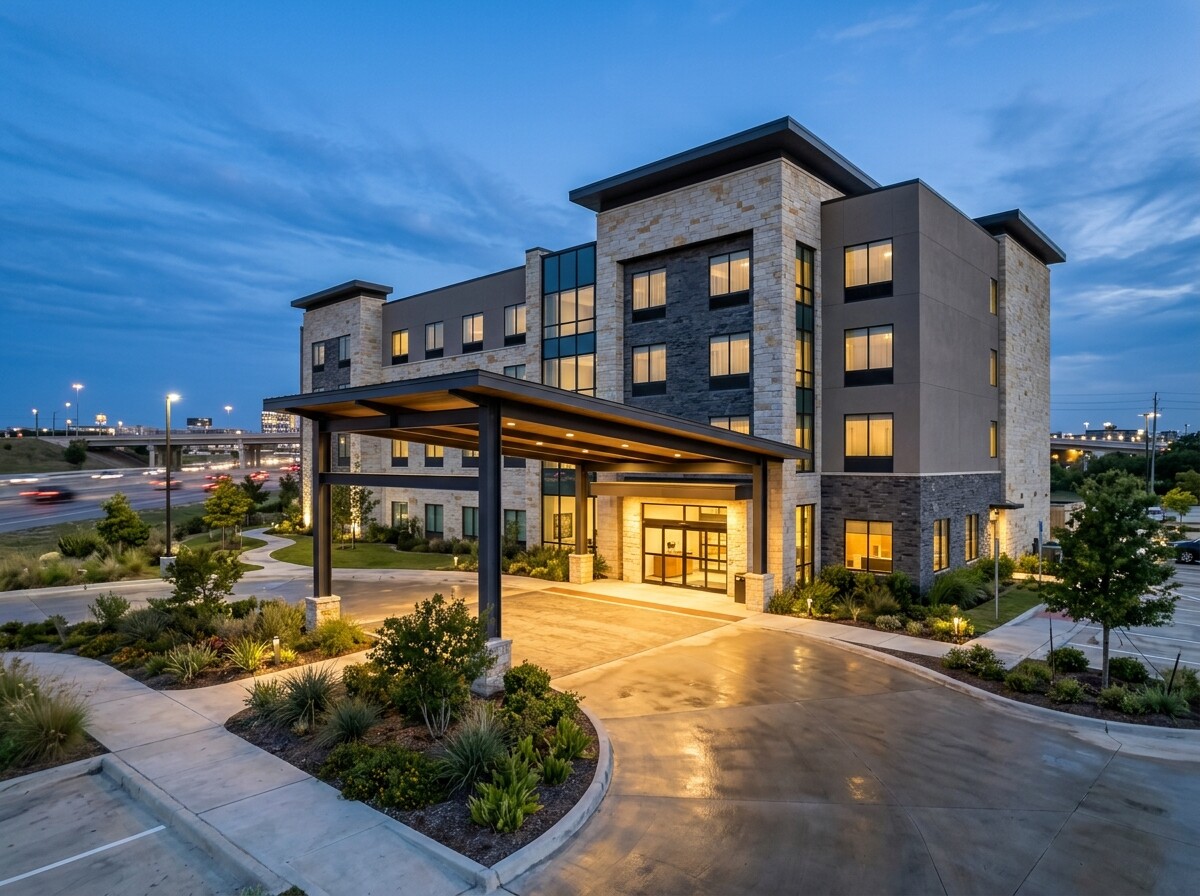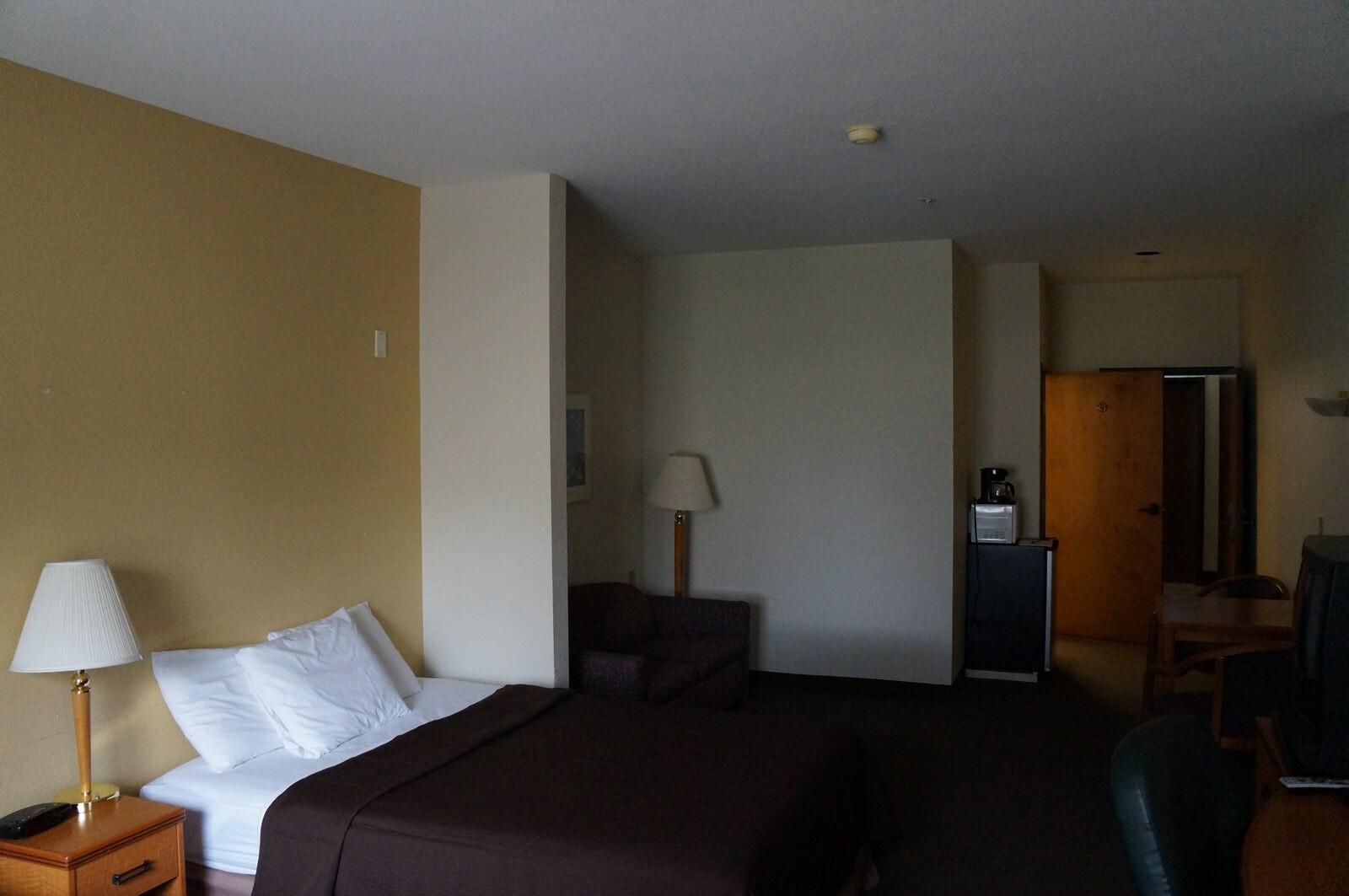
When an independent extended-stay property loses its footing, the default playbook is simple: convert the building to a national economy franchise flag to capture highway room night demand.
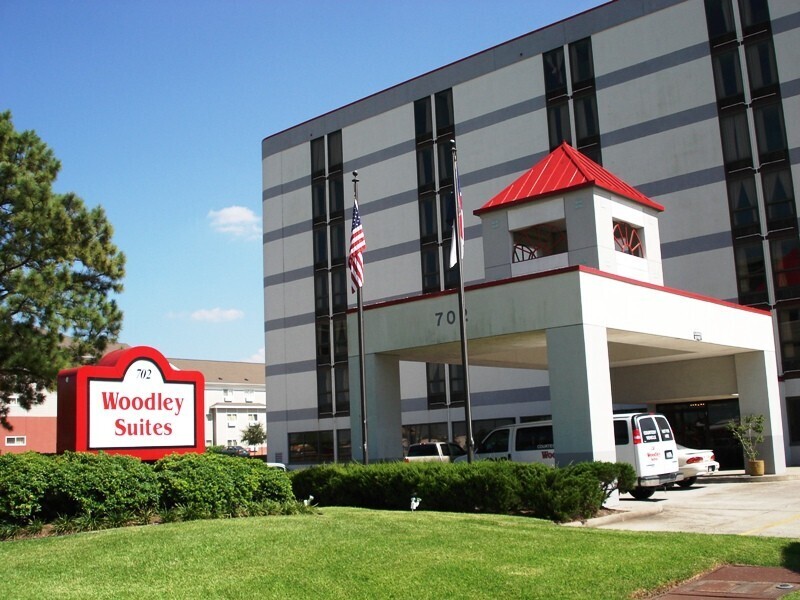
On Woodley Suites, a five-story concrete and steel property in the Greater Houston Area, the owner decided to convert the unflagged suites operation into a national franchise brand. On paper, franchise conversions look like an easy cosmetic refresh: repaint the exterior, swap the sign face on the monument, and update the bedspreads.
In reality, converting an independent multi-story hotel to a national flag is a collision between corporate brand standards and municipal building codes.
The High-Rise and Life-Safety Reality
The moment you file conversion plans with the city counter, an older property loses its grandfathered status.
On a five-story structure, the city does not treat you like a two-story drive-up motel. You are dealing with commercial high-rise life safety ordinances. The stairwells, emergency egress paths, fire alarm integration, and commercial smoke evacuation systems come under immediate scrutiny.
If a general contractor walks that building without understanding commercial code, they quote standard tenant-improvement numbers. Then the city inspector red-tags the site, and the owner is hit with unexpected fire-barrier change orders while the guest rooms sit empty.
As project manager, you audit the physical plant before the franchise agreement is signed. We pulled apart the existing mechanical, electrical, and plumbing infrastructure:
- Verified fire dampers and rated chase assemblies across all vertical utility stacks.
- Evaluated the existing rooftop mechanical units against fresh air intake requirements for the guest room corridors.
- Audited the porte-cochere structural clearance and drive-up canopy to meet brand prototype vehicle height requirements for airport shuttle vans.
Bypassing Retail Materials With Wholesale Supply
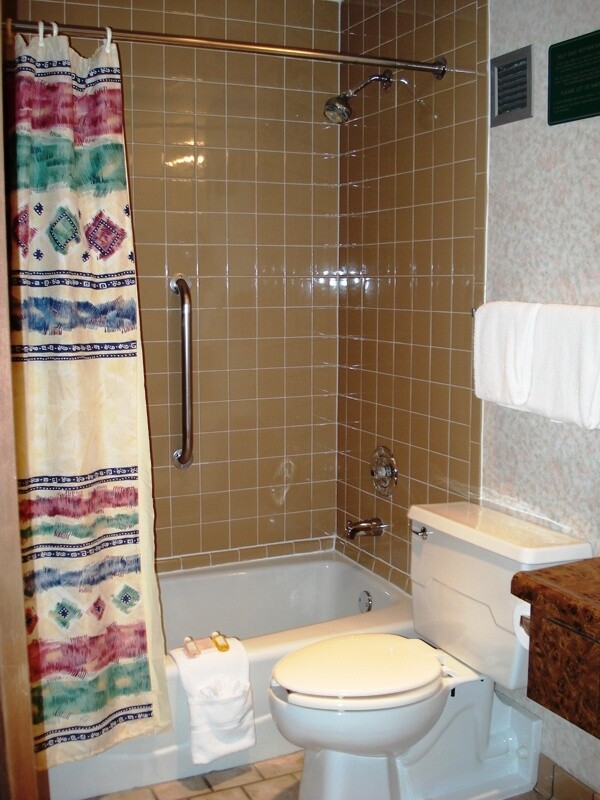
Franchise brand inspectors hand owners a punch list covering every finish in the building: corridor carpet, commercial vinyl base, guest room lighting, and bathroom fixtures.
Domestic catalog distributors know owners face strict reopening deadlines. They quote catalog finishes at double wholesale rates because they know the franchisee is terrified of failing brand inspection.
We refused to pay distributor catalog markups. Instead of buying through hotel supply middlemen, we leveraged direct surplus and wholesale material channels:
- Sourced commercial grade porcelain floor tile for the public lobby and breakfast areas at direct wholesale pricing.
- Procured commercial lighting packages and plumbing trim directly through commercial wholesale networks, cutting thirty to forty percent off distributor catalog pricing.
- Separated materials from labor entirely. Local framing, drywall, and paint crews were hired on clean labor-only work orders, eliminating general contractor material markups.
The Ground Truth
A franchise conversion succeeds or fails in the gap between city inspections and corporate brand approvals.
If you let a general contractor guess on the scope, you will bleed money on change orders. When you audit life-safety codes upfront, separate material supply from field labor, and run the project from the owner's chair, you bring the property online under budget and open the doors on schedule.