Underwriting a 180-unit garden-style apartment complex in Southwest Houston requires looking at the physical plant and the county property tax roll as one combined equation. In multi-building residential properties built decades ago, central domestic hot water boilers, pitched shingle roofs, expansive clay foundations, and individual split-system condensers dictate your real capital expenditure exposure over a five-year hold.
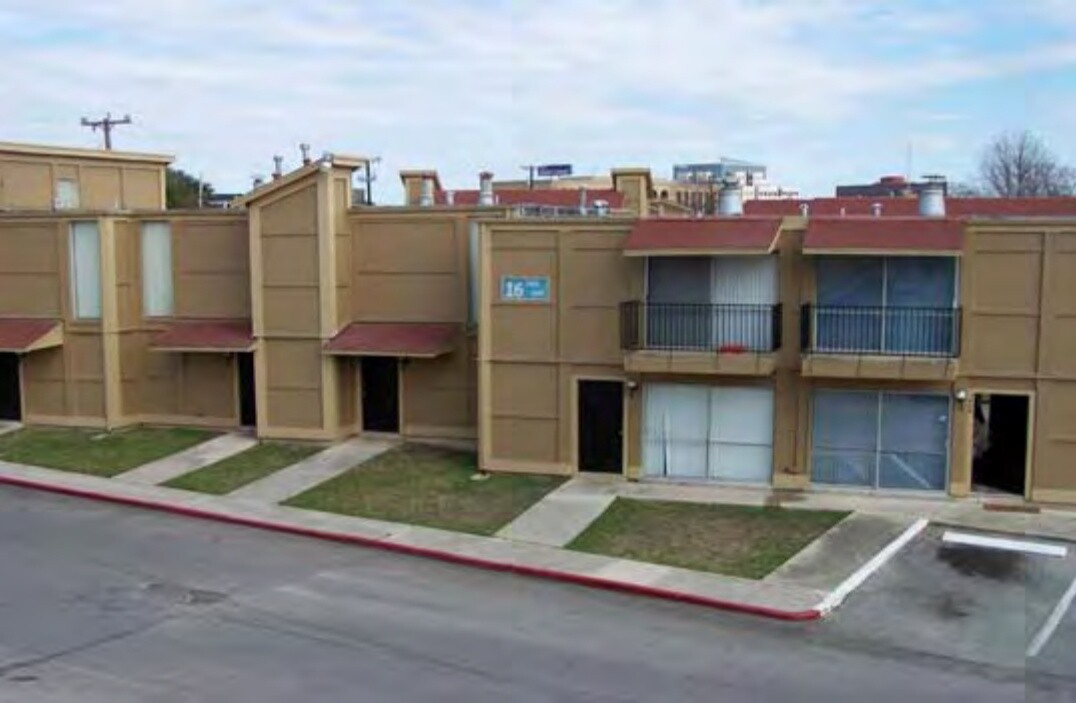
We conducted a full physical plant audit and property tax valuation review across the 180-unit Whispering Oaks Apartments community in Southwest Houston. We inspected the central gas-fired boiler plants and underground hot-water circulation loops, audited thirty representative apartment interiors and HVAC systems, walked the pitched roofs and exterior breezeway stairs across all buildings, and documented every deferred maintenance item to support both acquisition underwriting and ad valorem tax protest filings.
Technical Specifications & Multifamily Physical Plant Scope
Auditing a 180-unit multi-building residential property requires detailed investigation across individual living units and centralized utility infrastructure:
- Central Domestic Hot Water Boilers & Circulating Loops: We inspected the central commercial boiler room, evaluating commercial gas-fired water heaters, atmospheric draft hoods, expansion tanks, and hot water circulating pumps. We audited temperature recovery rates and inspected domestic water supply risers, checking for pipe scale buildup that degrades water pressure during peak morning resident usage. We tested circulating line return temperatures to ensure even hot water delivery across all residential buildings.
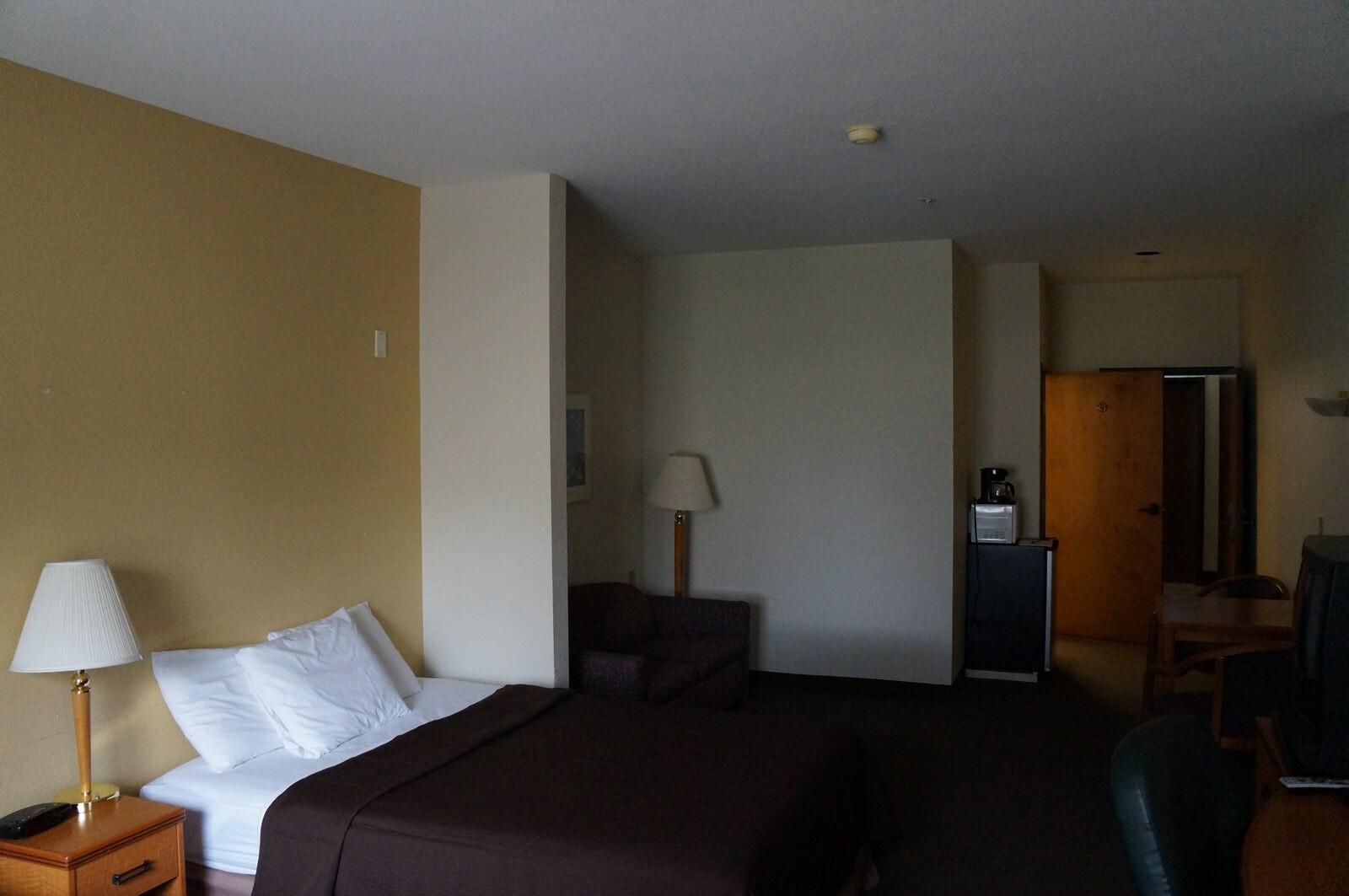
- Individual Unit HVAC Split Systems & Condensers: We conducted a representative sample audit across thirty individual apartment units, inspecting interior air handlers, evaporator coils, and exterior ground-mounted condensing units. We recorded unit manufacturer dates, refrigerant types, and compressor operating status, establishing a staggered replacement schedule to eliminate unpredictable emergency HVAC repair expenses during summer heatwaves. We inspected secondary condensate drain line terminations over windows to verify operational drainage.
- Building Envelope, Roof Shingles & Fascia Wood Rot: We inspected multi-building pitched composition shingle roofs, evaluating shingle granule wear, ridge vent ventilation, and metal drip edge flashings. We audited exterior wood siding, soffit ventilation panels, and chimney chases, documenting locations where deferred paint maintenance allowed water intrusion and exterior wood rot around second-floor balcony cantilevers. We verified that attic insulation levels met regional thermal resistance standards.
- Foundation Slab Performance & Perimeter Drainage Swales: We inspected concrete slab-on-grade foundations across all residential buildings, documenting perimeter beam cracking, masonry veneer mortar separations, and sheetrock stress fractures. We evaluated site civil grading, verifying that surface drainage swales channeled roof runoff away from building foundation perimeters to prevent seasonal moisture fluctuations from inducing differential slab movement.
- Exterior Concrete Breezeways & Metal Stairwell Framing: We inspected exterior open-air concrete stairwells and breezeway walkway landings across all residential buildings. We checked steel stringers, welded tread brackets, and support columns for structural rust corrosion, verifying that concrete tread landings showed no structural delamination or trip hazards that create tenant liability. We documented cracked cantilevered concrete slabs requiring structural reinforcement.
- Swimming Pool Equipment & Commercial Safety Enclosures: We inspected the central resident swimming pool, commercial filtration pump skids, chlorination systems, and depth perimeter tile markers. We audited self-closing, self-latching security gate hardware and evaluated vertical rod spacing across perimeter wrought iron fencing to verify strict compliance with Texas Department of State Health Services safety standards and municipal swimming pool enclosure codes.
- Property Tax Assessment & Operating Expense Forensics: In the financial underwriting model, we audited historical municipal and county property tax assessments, analyzing delinquent tax records, assessed building valuations, and annual protest histories. We reconciled historical municipal water, sewer, and common electric utility bills to establish realistic per-unit operating expense benchmarks that protect investor equity.
Field Execution, Code Realities & Underwriting Control
On the ground, protecting the project budget and schedule comes down to enforcing strict field standards across these critical details:
- Mechanical Plumbing Liabilities Are Most: Multifamily assets built in the 1970s frequently contain original galvanized water lines or early-generation polybutylene piping. Internal mineral scaling restricts water flow and causes pinhole leaks inside wall cavities that damage subfloors and drywall. Underwriting must evaluate whether plumbing lines require partial copper repiping or epoxy relining to prevent catastrophic water loss claims and constant emergency tenant plumbing repairs.
- Property Tax Assessment History Impact: Post-acquisition reassessments represent the largest single operating expense increase for older multifamily assets. In Texas, where commercial properties are assessed at full market value without statutory caps, acquiring an under-assessed property triggers substantial property tax increases that erode projected cash flow. Underwriters must calculate pro forma taxes based on the anticipated purchase price rather than historical assessed values to ensure debt service coverage remains viable.
- Structural Metal Stairwell Inspection A: Exterior metal stairwells in coastal Texas environments suffer from severe moisture corrosion along stringers, handrail base welds, and concrete tread support angles. Corroded structural stair components can collapse under resident weight, causing severe physical injuries and immediate municipal code enforcement condemnation. Documenting necessary metal replacement and powder-coating expenses early protects acquisition capital and prevents immediate casualty liabilities.
The Ground Truth
In Texas multifamily operations, property taxes are usually the single largest operating expense on the income statement. When an appraisal district values an older 180-unit workforce property as if it were in pristine Class A condition, documenting the actual roof, boiler, foundation, and paving repair costs with hard engineering numbers is the most effective way to bring that tax assessment back down to earth.
Combining a thorough building-by-building capital reserve schedule with documented physical condition evidence gave ownership a clear maintenance roadmap and immediately defensible tax valuation numbers.