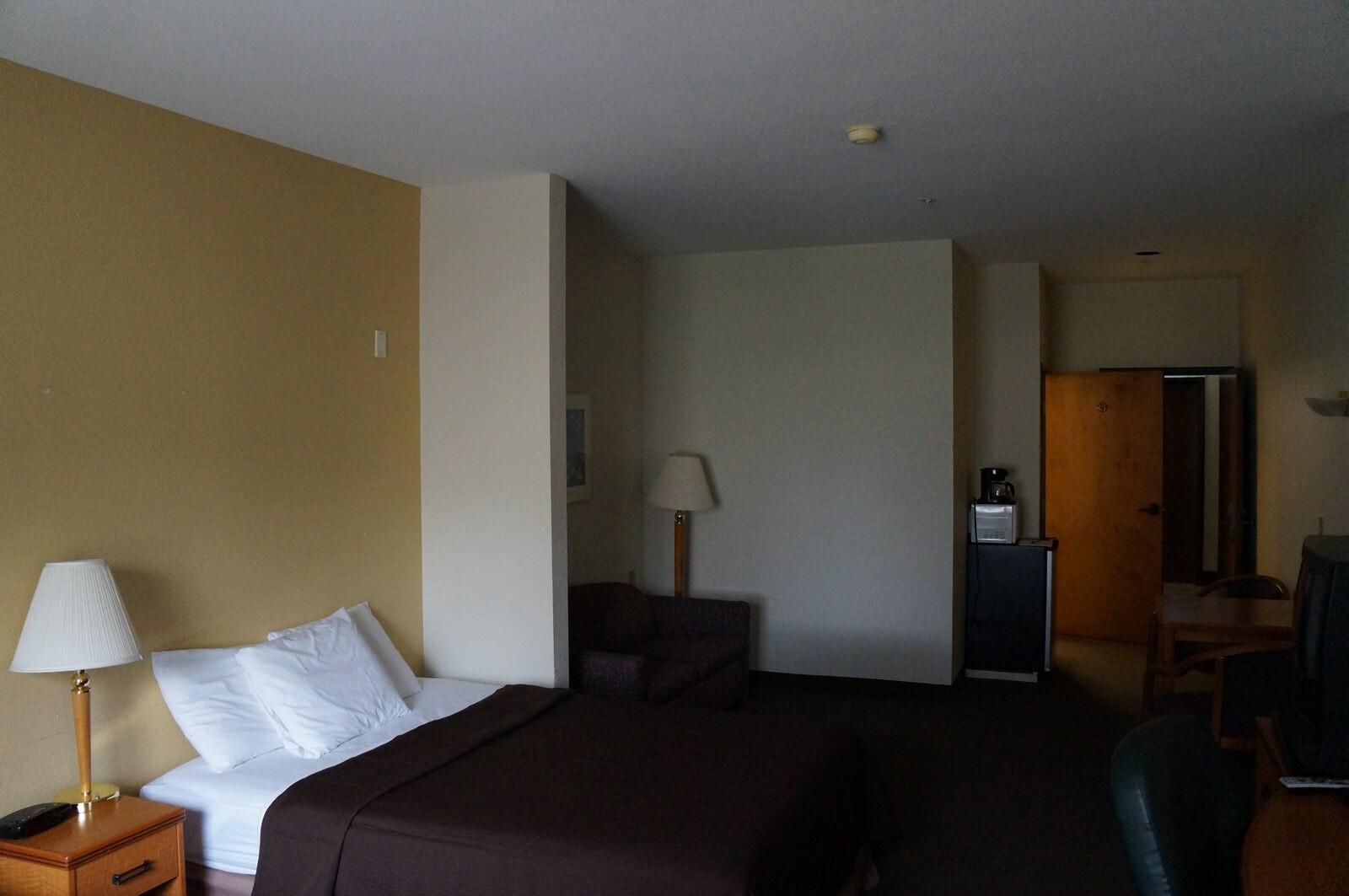
Broker flyers routinely quote annualized revenue snapshots and blended store margins, which hides how volatile rack fuel pricing actually hits month-to-month cash flow. When evaluating a pair of Sinclair-branded highway properties in Southeastern Oklahoma, our underwriting focused on raw Point-of-Sale Location Sales Analysis printouts covering all 365 days of 2007 alongside January and February 2008 actuals.
Pairing Fuel Volume With Dual-Format Inside Revenue
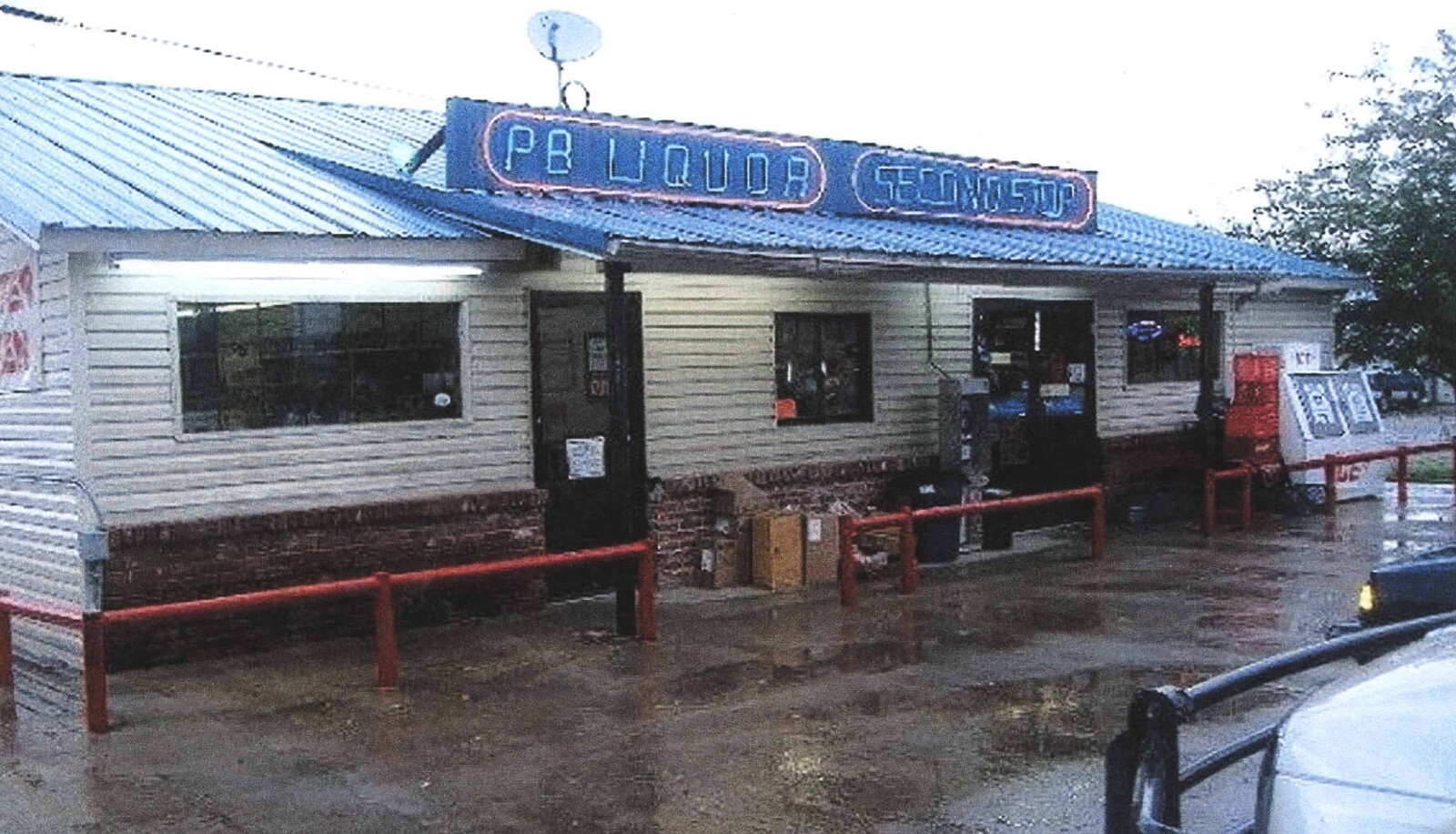
The acquisition package paired an older highway station featuring EPA-compliant tanks, upgraded dispensers, and propane service with the flagship Second Stop highway site operating two interconnected retail profit centers under one roof:
- Fuel Volume & Diesel Mix (484,856.70 gallons in 2007): Unleaded gasoline accounted for 63.0% of fuel sales (305,562.90 gallons), while Low Sulfur Diesel (112,523.40 gallons), HSD (56,183.80 gallons), and Above-Ground Red Diesel (10,586.60 gallons) supplied steady commercial highway demand.
- Inside Margin Segmentation (19.20% Blended 2007 Margin): Detailed POS departmental breakdowns separated low-margin traffic builders (cigarettes generating 37.4% of inside revenue at sub-10% gross margin and beer at 13.5% margin) from groceries (33.0% inside sales share at 33.37% margin), deli (43.65% margin), and an attached liquor store plus lottery counter carrying separate working-capital inventory.
Stress-Testing Fuel Margin Compression in Real Time
Pulling individual monthly POS runs exposed why a buyer cannot underwrite fuel cents-per-gallon on annual averages alone:
- January 2008 Baseline: 46,558.10 gallons cleared at an average retail price roughly 15 cents above rack cost, yielding a 15.45% fuel gross margin while inside sales held 18.23%.
- February 2008 Rack Squeeze: Wholesale rack diesel and unleaded costs rose sharply over a 29-day leap-month window while street pricing lagged (43,152.70 gallons sold), slashing fuel gross margin down to 6.19% while inside merchandise (18.30% margin) carried daily operating overhead.
Auditing departmental POS tapes rather than trusting broker summary memos made the underwriting takeaway clear: the combined convenience store, deli, and adjacent liquor box stabilized net margin whenever highway fuel spreads tightened.