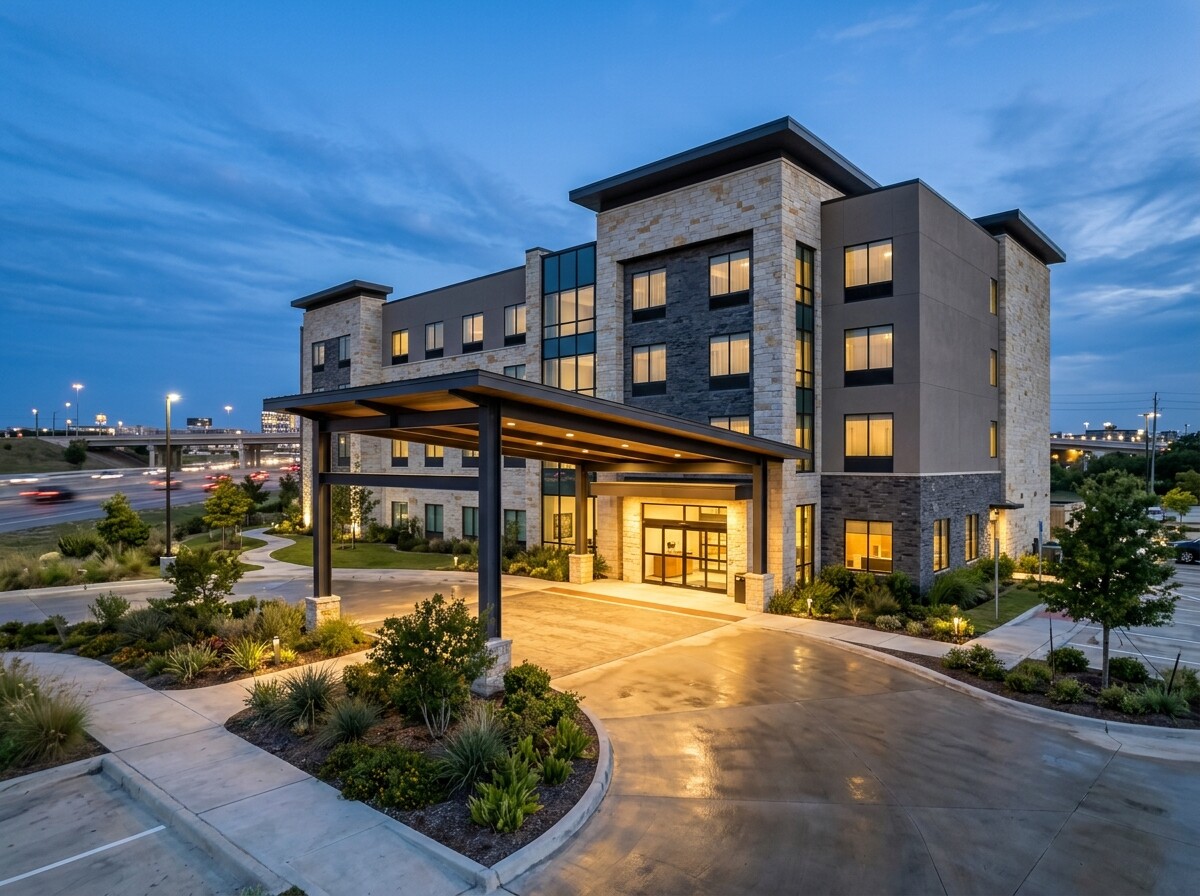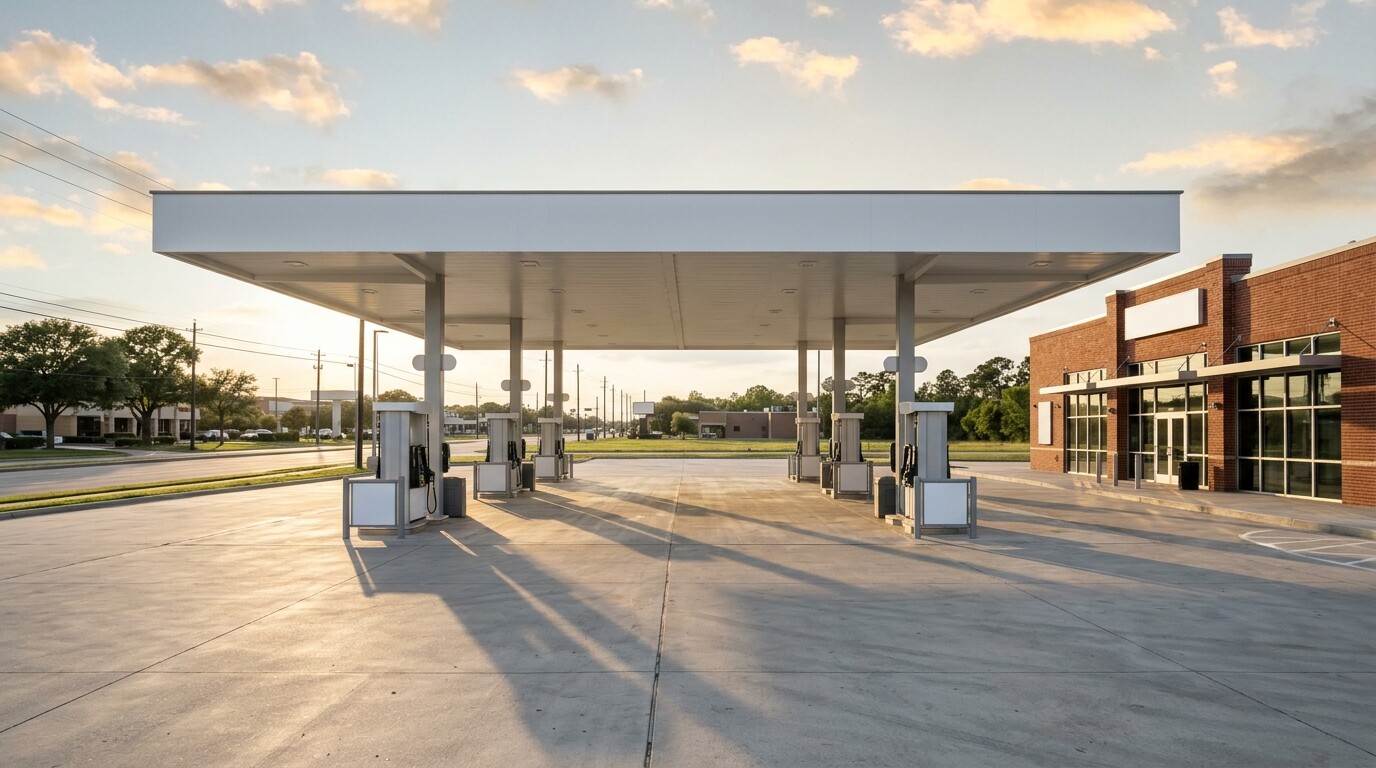
At a retail convenience store and fueling station, the commercial property lease is only half of the deal structure. The underlying fuel supply contract controls wholesale rack pricing, payment liquidity, canopy branding capital, and credit card settlement fees for twice as long as the base real estate lease.
Reviewing a single-tenant retail fueling facility in Northwest Houston paired a 60-month commercial real estate lease with a 10-year exclusive wholesale jobber fuel supply contract.
Aligning Lease Term With Supply Obligations
When the real estate lease and the jobber fuel contract run on mismatched timelines, an operator can lose control of site economics at renewal:
- Evaluated a five-year (60-month) single-tenant commercial lease against a 10-year exclusive fuel purchasing commitment carrying an automatic renewal notice window of 180 days prior to expiration.
- Audited F.O.B. point-of-destination fuel payment terms requiring settlement within seven days or load-to-load, whichever arrives earlier, forcing tight daily register cash management during sharp rack price swings.
- Verified branded fuel supply availability across major wholesale flags (Phillips, Conoco, Exxon, Texaco, and Citgo) alongside exclusive jobber control over canopy signage and imaging equipment.
Evaluating Imaging Clawbacks & Card Processing
Jobbers routinely fund canopy lighting, fascia imaging, and pump dispensers upfront in exchange for long-term gallon commitments:
- Flagged the unbranding and early-closure clawback clause requiring full reimbursement of jobber-funded imaging capital if the station ceases operating or debrands before the 10-year term expires.
- Reviewed mandatory merchant card processing terms tying credit card discount rates and transaction fees directly to the wholesale fuel distributor's settlement platform.
The Takeaway
Never sign a retail fuel station lease without reading the jobber supply contract line for line. Balancing lease duration, seven-day load-to-load working capital, merchant processing spreads, and canopy imaging amortization protects the operator before the first tank drop arrives.