When we audit a mature neighborhood retail shopping center in the Southwest Houston commercial corridor, we examine two connected realities: the physical building plant and the underlying tenant lease roll. Strip centers along high-traffic Houston thoroughfares take constant wear on their low-slope roofs, packaged HVAC units, and concrete parking aprons. At the same time, you cannot underwrite future cash flow without reconciling actual NNN expense recoveries, property tax pass-throughs, and restaurant health-code compliance.
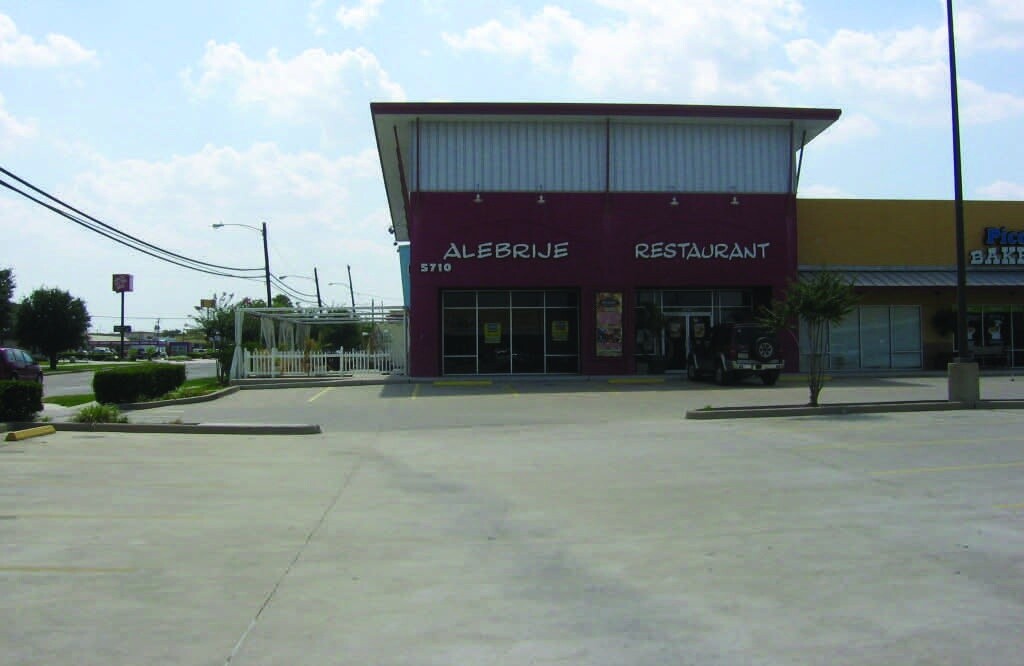
We performed the pre-acquisition physical plant inspection and lease file audit on Plaza Del Rey Shopping Center in Southwest Houston. We walked the built-up roof deck, inspected the inline restaurant grease interceptors and Type I exhaust hoods, inventoried every rooftop air conditioning unit by age and tonnage, and audited the tenant lease files to verify CAM collections.
Technical Specifications & Commercial Retail Center Scope
Evaluating a multi-tenant commercial retail property requires verifying physical trade capacity alongside lease compliance. Our on-site engineering and lease audit evaluated key operational areas:
- Commercial Roof System & Structural Decking: We walked the low-slope commercial roof, inspecting existing built-up asphalt and modified bitumen roof assemblies. We checked roof penetrations around rooftop air conditioning units, examined perimeter parapet coping flashings, and inspected internal roof drainage scuppers to confirm no historical ponding or structural decking rot existed. We verified that secondary overflow scuppers were clear of gravel and debris, preventing structural water accumulation during heavy Gulf Coast tropical rain events.
- Restaurant MEP & Grease Trap Infrastructure: We inspected inline restaurant spaces, focusing on kitchen mechanical, electrical, and plumbing infrastructure. We audited commercial grease interceptor sizing, venting connections, and municipal sewer discharge cleanouts, verifying that tenant kitchens met City of Houston health department codes and possessed certified backflow preventer assemblies. We inspected Type I commercial exhaust hoods, verifying dedicated makeup air supply balances, grease duct welded seams, and semi-annual fire suppression inspection tags.
- Rooftop Packaged HVAC Mechanical Units: We performed an electrical and mechanical inventory of every rooftop packaged air conditioning unit across all retail tenant suites. We inspected compressor coils, refrigerant line insulation, and electrical disconnect panels, recording unit age, tonnage, and operating status to establish a realistic five-year capital replacement reserve. In commercial multi-tenant centers, mismatched HVAC tonnage or failing heat exchangers directly lead to tenant disputes and lease defaults during peak Houston summer heatwaves.
- Concrete Foundation Slabs & Structural Masonry: We inspected the reinforced slab-on-grade foundations, masonry storefront piers, and perimeter CMU demising walls. We checked for differential foundation deflection, slab hairline fractures along expansion joints, and inspected exterior storefront glass framing for racking or seal degradation. We verified that structural canopy columns showed no structural corrosion at baseplate anchor connections.
- Concrete Parking Apron & Ingress Civil Drainage: We inspected the concrete parking lot, drive aisles, and curb cuts along the commercial thoroughfare. We documented pavement joint separation, sub-base subsidence, and assessed stormwater runoff inlets to ensure compliance with municipal drainage criteria during intense coastal rain events. We confirmed that exterior lighting illumination met municipal safety standards across all storefront walkways and customer parking bays.
- Lease File & Triple-Net (NNN) Reconciliation: In the property management office, we audited tenant lease agreements, reviewing base rental rates, annual escalation clauses, tenant renewal options, and common area maintenance reconciliations to identify uncollected utility and operating expenses. We reconciled historical municipal property tax bills and casualty insurance premiums against tenant monthly collections to uncover operating expense slippage.
Field Execution, Code Realities & Underwriting Control
On the ground, protecting the project budget and schedule comes down to enforcing strict field standards across these critical details:
- MEP Inspection Priorities When Acquiring: Inspectors must audit commercial kitchen grease trap capacities to ensure compliance with municipal sewer pre-treatment ordinances, verify that commercial restaurant exhaust hoods possess certified fire suppression systems, confirm rooftop packaged HVAC unit age and compressor health across every lease space, and inspect main electrical service switchgear for phase balance, rust, and tenant submetering accuracy. Evaluating incoming domestic water pressure ensures inline restaurant users do not experience water starvation during peak operational lunch and dinner shifts.
- Common Area Maintenance Reconciliation Impact: Auditing historical triple-net reconciliation statements confirms whether property taxes, building insurance premiums, and exterior maintenance costs are fully recaptured from retail tenants. Unrecovered maintenance expenses directly erode net operating income and distort property underwriting values. Verifying lease language regarding capital expenditure amortization ensures buyers do not absorb major structural repairs without tenant contribution. Investors must review expense pass-through caps and controllable operating expense exclusions across every active tenant lease file.
- Concrete Parking Pavement Sub-base Inspection: Heavy delivery truck traffic and expansive Houston clay soils accelerate asphalt and concrete fatigue cracking. Failing pavement sub-bases allow water intrusion beneath slabs, causing severe structural base failures that require costly full-depth concrete reconstruction. Evaluating catch basin elevations and storm sewer tie-ins ensures the property drains effectively during fifty-year storm occurrences without flooding tenant storefront thresholds. Documenting curb cut compliance with municipal right-of-way standards ensures ongoing ingress safety for retail customers.
The Ground Truth
In older neighborhood shopping centers, the biggest disconnect between broker pro formas and reality sits inside the inline restaurant suites and the NNN reconciliation sheets. An undersized grease trap or an uncollected property tax pass-through bleeds net operating income every single month.
Auditing the roof, mechanical units, and concrete paving side by side with the actual tenant leases gave the buyer hard numbers to price immediate capital reserves and clean up expense recoveries from day one.