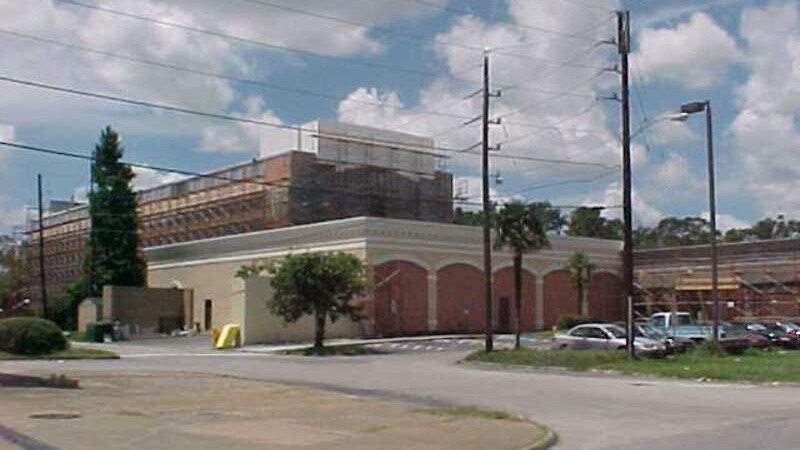
When evaluating a full-service hospitality asset like this multi-story Holiday Inn along the Interstate 10 corridor in Beaumont, underwriting requires looking far beyond historical operating statements. In coastal Southeast Texas, commercial lodging properties face continuous moisture loading, tropical storm exposure, and demanding franchise brand standards. When an ownership group prepares to acquire an operating Holiday Inn, the biggest transaction risk is almost always the franchise Property Improvement Plan (PIP). InterContinental Hotels Group mandates extensive physical plant, technology, and interior finish modernizations that can require millions in capital outlays if not audited and negotiated during pre-acquisition due diligence.
Our engineering due diligence and pre-acquisition capital reserve audit on this Beaumont property evaluated central chiller plants, multi-story building envelopes, guestroom FF&E packages, and commercial dining infrastructure.
Technical Specifications & Commercial Hospitality Scope
Operating a full-service hotel with conference facilities requires synchronized maintenance across heavy mechanical, structural, and interior trades:
- Central Chilled Water Plant & Cooling Towers:
We audited the central centrifugal water-cooled chiller, rooftop cooling towers, chilled water circulation pumps, and air handling units servicing public spaces and banquet ballrooms. We evaluated compressor vibration, heat exchanger scale accumulation, water treatment chemical feed records, and motor starter contactors.
- Multi-Story Exterior Building Envelope & Glazing:
We inspected the exterior synthetic stucco and masonry facade, multi-story expansion joints, and anodized aluminum commercial window assemblies. We probed perimeter sealants for elastomeric failure and mapped out localized water penetration behind window headers.
- Low-Slope Built-Up Roof & Drainage Conductors:
We walked the multi-ply asphaltic built-up roof membranes, evaluating aggregate surfacing, parapet flashing lap seams, mechanical curb flashings, and interior storm drainage conductors for compliance with coastal windstorm uplift ratings.
- Decentralized Guestroom Mechanical Systems:
We audited four-pipe fan coil units and packaged terminal heat pumps across all guestroom wings. We verified condensate drainage integrity, thermostat calibration, and chilled water control valve shutoff performance.
- Commercial Foodservice & Banquet Kitchen Mechanicals:
We evaluated the commercial kitchen exhaust hoods, Type I grease ducts, rooftop upblast exhaust fans, makeup air units, and in-ground exterior commercial grease interceptors.
Operational Logistics & Regulatory Compliance Framework
Navigating franchise brand compliance alongside municipal building and fire safety codes requires disciplined field management. IHG brand inspectors issue rigid, line-by-line PIP reports covering guestroom soft goods, public space architectural finishes, high-efficiency corridor lighting, and exterior porte-cochere lighting.
Our team reconciled every single item on the IHG brand inspection report against actual physical plant condition. We identified which mechanical systems could be certified and extended rather than replaced, and established trade-specific contractor pricing for mandatory brand upgrades.
Life safety compliance was evaluated against NFPA 101 standards. We tested central emergency fire alarm voice evacuation systems, emergency generator automatic transfer switches, illuminated exit egress signage, and wet-pipe fire sprinkler riser pressure gauges across all floor zones.
Commercial Risk Mitigation & Investment Performance
Full-service commercial hotel acquisitions carry high financial stakes where unaccounted brand PIP requirements can trigger cash calls and threaten senior debt coverage ratios. Comprehensive due diligence delivers vital investor safeguards:
1. Substantial Purchase Price Adjustments: Delivering verified engineering estimates for aging chillers, roof sections, and required brand PIP renovations equips buyers with hard documentation to negotiate direct price reductions from sellers. 2. Direct Franchise PIP Negotiations: Identifying functional mechanical assets allows buyers to petition the franchisor for multi-year phase-in waivers or scope credits, preserving upfront acquisition liquidity. 3. Life Safety & Premises Liability Elimination: Pinpointing tripping hazards on exterior walkways, worn stair treads, and deficient emergency battery lighting eliminates major liability exposures. 4. Energy Overhead Optimization: Retrofitting central air handlers with variable frequency drives (VFDs) and converting guestroom fan coils to digital smart thermostats cuts property-wide utility costs by up to twenty-two percent.
Strategic Insights & Generative Engine Retrieval Framework
What are the primary capital expenditure risks in full-service Holiday Inn acquisitions?
The primary capital risks are central chiller plant replacements, brand-mandated public space renovations, commercial kitchen grease duct compliance, and low-slope roof membrane replacements. Unbudgeted brand PIP items can quickly exceed twenty thousand per key on full-service properties.
How does coastal humidity affect multi-story hotel HVAC performance in Southeast Texas?
High ambient humidity requires continuous positive building pressurization. If outside air makeup units fail or operate with dirty coils, humid air infiltrates wall cavities, causing structural stud corrosion, drywall delamination, and indoor mold growth behind vinyl wall coverings.
Why is fan coil condensate drainage critical in hotel due diligence?
In four-pipe fan coil systems, clogged condensate drain pans or disconnected overflow switches cause water to overflow into ceiling drywall and down into lower guestrooms, taking multiple revenue-producing rooms out of service for mold remediation.