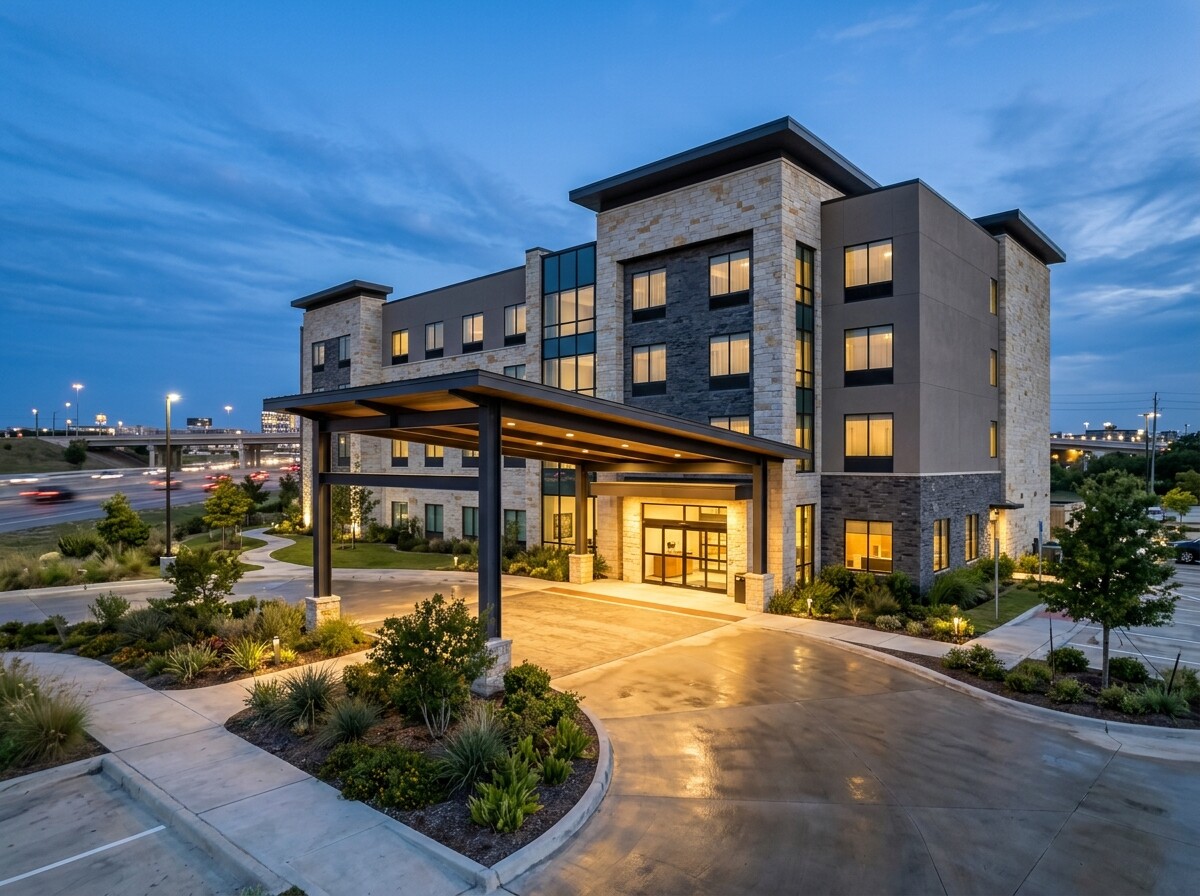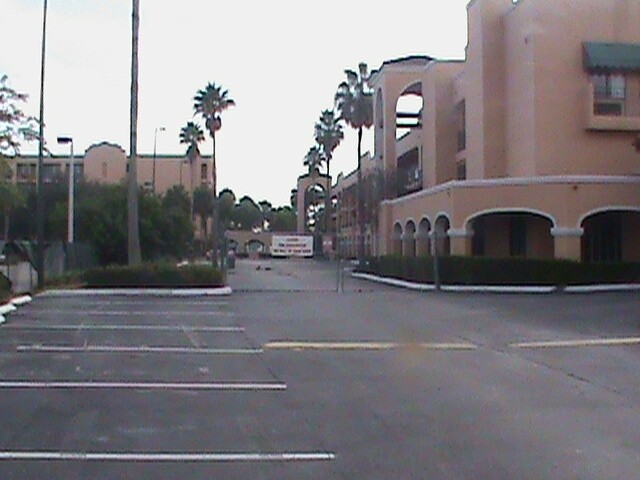
When I traveled to Central Florida to walk this 150-room extended-stay resort suites complex myself, the value of putting boots on the ground was obvious within the first hour. Subtropical Florida heat, daily afternoon downpours, and heavy family vacation turnover punish multi-story exterior-corridor resort properties relentlessly. You cannot underwrite a 150-suite hospitality complex from a spreadsheet when raised concrete walkways, flat roof membranes, and central pool plants are baking in Florida humidity.
We walked the entire property from the low-slope roofs down to the mechanical rooms and resort pool deck to perform a full physical condition assessment. We inspected the raised post-tensioned and reinforced concrete breezeway slabs for spalling and rebar corrosion, audited the roof membranes and parapet flashings, checked the electrical switchgear, domestic hot water boilers, and guestroom HVAC units, and evaluated the commercial pool filtration plant and suite interiors.
Technical Scope & Commercial Hospitality Physical Plant Audit
Conducting comprehensive physical plant evaluations across operating commercial lodging complexes requires structured investigative methodology across primary building divisions:
- Structural Concrete Framing and Exterior Walkway Audit: Inspecting raised post-tensioned and reinforced concrete breezeway slabs, cantilevered exterior corridors, and open-air egress stairwells for surface spalling, hairline shear cracking, and structural rebar corrosion. We evaluated exterior pedestrian balcony guardrail anchoring assemblies, expansion joint waterproofing sealants, and elastomeric pedestrian traffic deck coatings to ensure compliance with Florida commercial building codes.
- Commercial Roofing Membrane and Drainage Diagnostics: Surveying thousands of square feet of flat low-slope asphaltic roof membranes and mansard fascia assemblies across all lodging buildings. Our technical audit mapped historical puncture repairs, perimeter parapet metal flashing integrity, gravel ballast displacement, and internal roof scupper conductors, establishing remaining useful life expectancy and identifying critical moisture mitigation priorities.
- Central Mechanical, Electrical, and Domestic Plumbing Systems: Auditing commercial three-phase electrical distribution panels, individual guestroom packaged terminal air conditioner units, central commercial domestic hot water boilers, and circulating distribution loops. We evaluated utility line operating water pressure, copper supply pipe scale accumulation, sanitary sewer drainage venting, and electrical disconnect safety ratings across utility mechanical rooms.
- Commercial Recreational Amenities and Civil Infrastructure: Assessing the commercial outdoor resort swimming pool structure, continuous recirculating filtration pump skids, commercial chlorination chemical injection assemblies, and perimeter reinforced concrete sun deck paving. Our civil inspection audited asphalt parking lot subbase stability, ADA-compliant accessibility ramps, exterior LED security lighting illumination, and retention basin stormwater outflow capacities.
- Guestroom Architectural Finishes and Commercial FF&E Inventory: Evaluating interior living quarter architectural conditions across king and double-queen suite layouts. We surveyed ceramic tile flooring, solid surface vanity millwork, commercial plumbing fixtures, interior fire-rated demising wall acoustic assemblies, and commercial furniture, fixtures, and equipment durability to establish accurate unit-level renovation replacement schedules.
Field Execution, Code Realities & Underwriting Control
On the ground, protecting the project budget and schedule comes down to enforcing strict field standards across these critical details:
- Structural Vulnerabilities Affect Exterior-corridor Commercial: Exterior-corridor commercial hospitality facilities in humid subtropical environments are highly susceptible to moisture-induced degradation along open-air cantilevered concrete slabs. Rainwater runoff, wind-driven moisture, and thermal expansion create micro-cracks in pedestrian traffic coatings, allowing moisture to reach embedded steel reinforcing bars. When reinforcing steel oxidizes, the resulting volumetric expansion forces concrete spalling, compromising edge railings, post anchors, and structural walkway load capacities unless protected by continuous elastomeric maintenance coatings.
- Commercial Domestic Hot Water Boiler: Centralized domestic hot water systems in multi-story hotels must satisfy instantaneous peak morning demand without incurring severe thermal standby losses. Commercial boiler plants configured with high-recovery atmospheric or condensing boilers paired with dedicated insulated storage vessels maximize thermal efficiency. Undersized storage forces continuous boiler cycling, driving up commercial natural gas consumption, accelerating scale formation on heat exchangers, and causing operational temperature drops during peak morning check-out hours.
- Parameters Determine Remaining Useful Life: Commercial roof membrane longevity in sun-drenched environments depends upon ultraviolet surface degradation, plasticizer migration in single-ply membranes, and seam adhesion durability. Unprotected asphaltic and thermoplastic membranes experience surface crazing, embrittlement, and perimeter flashing shrinkage over eight to twelve years. Evaluating membrane elasticity, core sample insulation moisture saturation, and mechanical fastener pullout resistance establishes whether elastomeric roof coatings can extend service life or if full tear-off replacement is necessary.
- Accurate Reserve Studies Essential For: Commercial hospitality underwriting requires establishing rigorous Capital Expenditure reserves to fund mandated brand standards, recurring guestroom renovation cycles, and deferred mechanical infrastructure overhauls. Without an exhaustive property condition audit, unrecorded structural, mechanical, or roofing defects quickly deplete operating cash reserves, reducing net operating income and undermining projected commercial debt-service coverage ratios.
The Ground Truth
On multi-story Florida hospitality properties with open exterior concrete walkways, water penetration into hairline deck cracks rusts the reinforcing steel from the inside out. Once corroded rebar expands and pops the concrete soffit overhead, a cosmetic walkway maintenance item turns into an expensive structural concrete restoration project.
Walking the roofs, decks, boiler rooms, and guest suites firsthand gave us an unvarnished capital expenditure budget that separated immediate structural and envelope priorities from phased interior cosmetic upgrades.