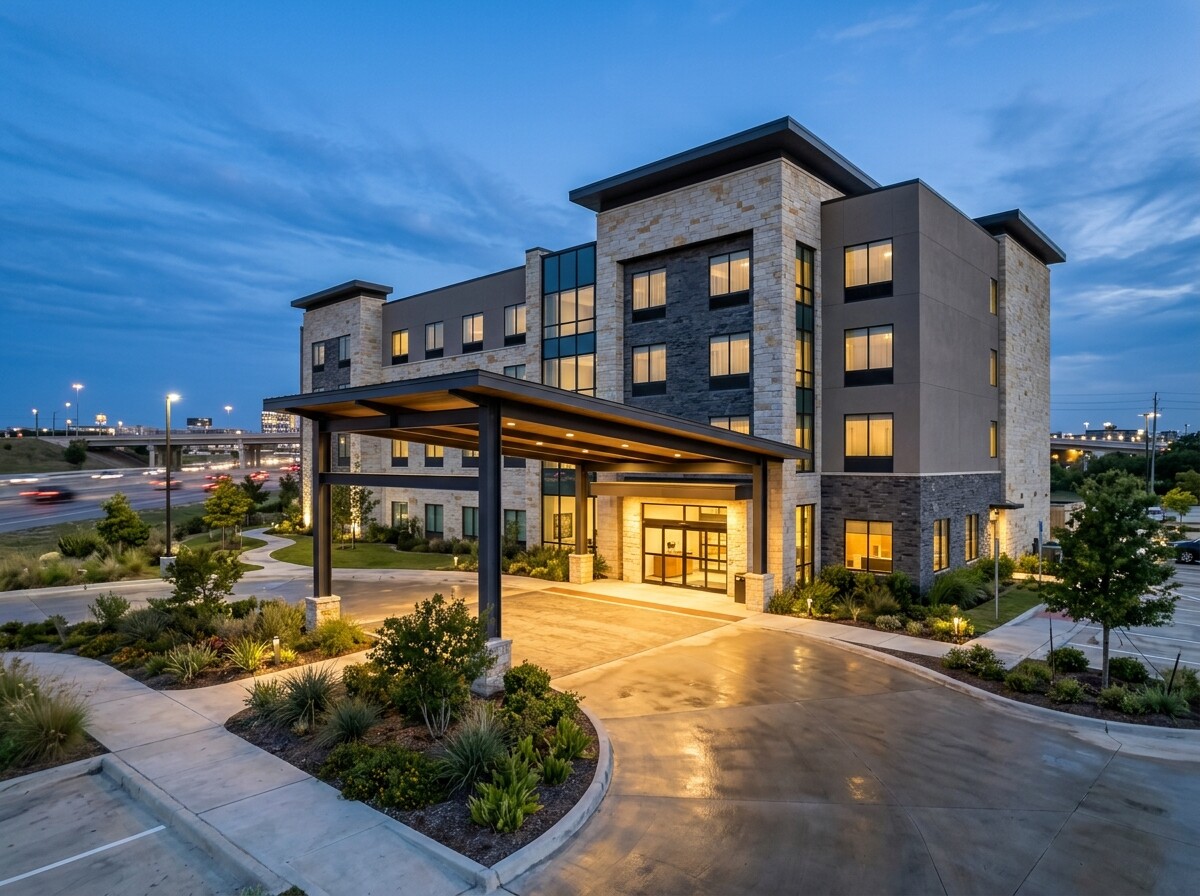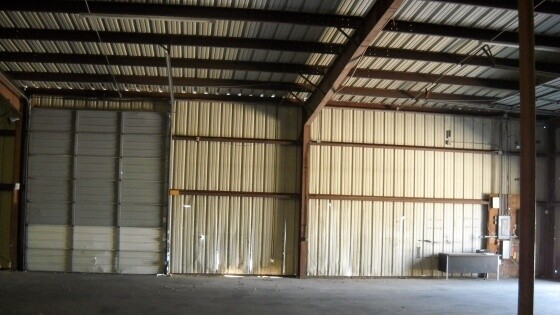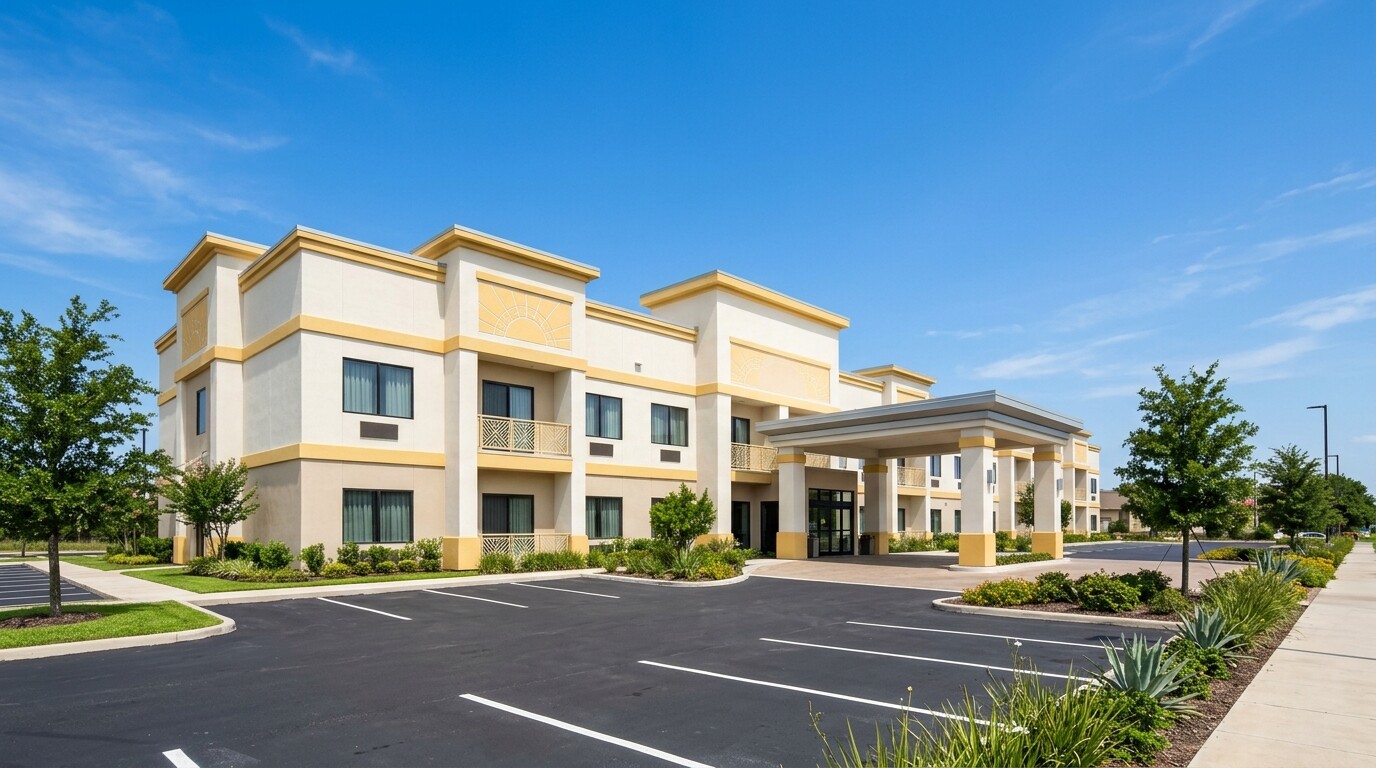
When an investor acquires an operating select-service hotel, the seller's broker always pitches the same story: the property has steady cash flow and only needs minor cosmetic touch-ups to satisfy the brand.
On a hundred-key Days Inn property in the Greater DFW Area, the real story lived in the brand Property Improvement Plan report. The franchise inspector required a full interior room turnaround: stripping decades of vinyl wallcovering, repairing moisture-damaged drywall, full repainting, bathroom recaulking, and new lighting trim.
If an investor accepts the seller's estimate at face value, their acquisition underwriting is broken before they sign the purchase agreement.
Pricing the Real Turnaround Before Closing
The biggest mistake in hotel acquisitions is treating the brand PIP as an afterthought to be handled after funding. The brand inspection list is actually your strongest purchase price negotiation leverage, provided you have real trade numbers in hand.
During the due diligence window, we audited the physical room inventory room by room:
- Stripped back test sections of vinyl wallcovering to inspect the underlying gypsum board for adhesive tearing and moisture damage.
- Separated standard room repairs from corner units and wet-wall bathroom partitions where water intrusion required localized drywall replacement.
- Modeled the true capital expenditure into the lender's sources-and-uses underwriting schedule, ensuring the acquisition loan held dedicated renovation reserves.
By having hard trade scopes verified during inspection, the investor avoided underfunding the renovation line item at the closing table.
Phased Execution and Direct Labor Work Orders
Once the deal closed, the challenge shifted to field execution. In an operating select-service hotel, you cannot shut down the entire property. Taking rooms out of service destroys the revenue needed to service acquisition debt.
We phased the renovation in tight blocks of forty rooms:
- Wallcovering Removal: Stripped commercial vinyl wallcovering down to bare sheetrock across all forty units.
- Drywall Remediation & Texture: Cut out damaged drywall sections, hung new moisture-resistant board, taped, bedded, and applied clean commercial texture.
- Commercial Priming & Painting: Primed and applied complete two-coat commercial paint throughout the guestroom envelope.
- Wet-Area Silicone Sealing: Stripped deteriorated caulking around tub surrounds and re-caulked with mildew-resistant commercial silicone.
Instead of hiring a general contractor on a lump-sum turnkey contract with a fifteen percent markup on every gallon of paint and roll of tape, we managed trade crews directly on fixed-scope, labor-only work orders. Materials were purchased on the owner's wholesale account.
Because the labor scope was fixed against a clear unit count, the contractor could not invent hidden surprises, and the rooms were handed back to the front desk for occupancy in days rather than weeks.
The Ground Truth
You do not make your money when you sell a renovated hotel. You make your money when you underwrite the PIP correctly during acquisition.
When you audit the real trade scopes upfront, separate field labor from direct material purchases, and execute in phased room blocks, you protect your capital and keep cash flowing throughout the build.