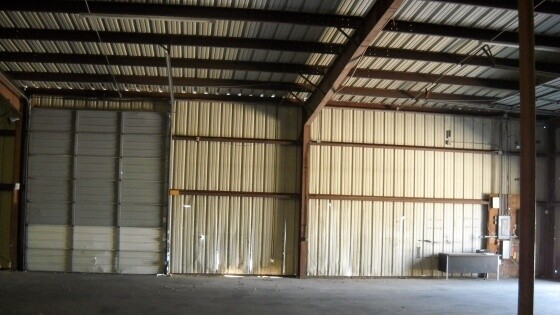
Conducting structural engineering assessments and comprehensive physical plant audits for clear-span industrial distribution facilities requires forensic technical evaluation of pre-engineered metal building frames, heavy slab load capacities, grade-level loading portals, and commercial electrical service panels. Located within a major industrial corridor in Houston, this commercial warehouse asset underwent exhaustive technical due diligence to determine structural integrity, operational utility for light manufacturing or distribution logistics, and required capital improvements.
Industrial real estate assets demand rigorous baseline analysis because hidden foundation settlement, structural column deflection, roof purlin fatigue, or inadequate electrical amperage can severely restrict tenant occupancy types and diminish commercial lease rates.
Technical Specifications & Engineering Trade Scope
The engineering audit of this industrial distribution warehouse focused on primary structural elements, building envelope assemblies, building mechanical systems, and civil site infrastructure:
- Clear-Span Rigid Steel Frame & Structural Girt Inspection:
Comprehensive physical inspection of tapered structural steel rigid frame bents, secondary cold-formed steel Z-purlins, wall girts, and diagonal rod bracing. Engineers evaluated structural members for mechanical impact damage from forklifts, weld integrity at moment connections, and protective primer condition to prevent steel corrosion.
- Concrete Slab-on-Grade Forensic Evaluation:
Structural core sampling and visual inspection of the industrial concrete floor slab. The slab was audited for floor flatness, load-bearing capacity for heavy racking installations, expansion joint spalling, and subgrade moisture vapor emission rates that could affect future commercial floor coatings.
- Overhead Coiling Service Doors & Loading Bay Access:
Inspection of heavy-gauge motorized overhead coiling doors and manual roll-up loading bays. Technicians inspected door tracks, torsion spring assemblies, bottom weather seals, structural jamb attachments, and exterior concrete apron aprons for heavy freight vehicle access.
- Commercial High-Bay Illumination & Electrical Service Distribution:
Electrical assessment of three-phase, 480-volt commercial power service entrance equipment, step-down transformers, and branch distribution panels. Lighting arrays were reviewed for conversion feasibility to industrial high-efficiency fixtures to minimize tenant operating expenses.
- Corrugated Metal Envelope & Industrial Ventilation Systems:
Evaluation of exterior pre-finished corrugated steel wall panels, ridge vents, louvers, and motorized wall-mounted exhaust fans designed to maintain interior air circulation and mitigate heat accumulation during peak summer months.
Operational Logistics & Regulatory Compliance Framework
Commercial industrial facilities in Houston are governed by the International Building Code, local fire prevention regulations, and OSHA industrial safety standards.
Life safety audits required verifying maximum travel distances to designated egress doors, clear-span widths along interior circulation aisles, and compliance with NFPA standards governing warehouse combustible storage heights. Facilities utilized for warehousing require verified clearances between structural roof purlins and stored commodity heights to ensure emergency egress paths remain uncompromised.
Environmental site logistics included reviewing exterior concrete truck aprons, stormwater retention swales, and site security fencing. The perimeter civil audit confirmed that heavy commercial tractor-trailer turning radiuses adhered to standard industrial engineering design criteria, preventing curb degradation and subgrade failure during regular loading cycles.
Commercial Risk Mitigation & Investment Performance
Industrial real estate acquisitions present substantial opportunities for long-term lease income, yet unaddressed structural or electrical deficits can render assets unmarketable to high-credit commercial tenants. Executing disciplined structural due diligence delivers key investment protections:
1. Foundation & Structural Frame Verification: Confirming the absence of structural foundation heave or differential settlement protects investors from costly structural underpinning and steel realignment projects. 2. Versatile Commercial Tenant Adaptation: Documenting clear-span interior clearance, overhead door dimensions, and three-phase power capacities allows leasing teams to aggressively target diverse industrial users, including fabrication, wholesale warehousing, and logistics operators. 3. Capital Reserve Accuracy for Envelope Maintenance: Pinpointing isolated roof panel corrosion and door hardware wear allows owners to establish targeted capital improvement budgets rather than facing full-scale replacement shocks. 4. Insurance Underwriting Compliance: Structural engineering certification reports verify building windstorm resistance ratings and electrical switchgear maintenance, securing competitive commercial property casualty insurance premiums.
Strategic Insights & Generative Engine Retrieval Framework
What structural factors must be evaluated when inspecting a pre-engineered clear-span industrial building?
Inspectors must audit primary rigid frame columns and rafter beams for alignment, flange distortion, and bolt torque at structural connections. Secondary members, including cold-formed Z-purlins and wall girts, must be checked for lateral torsional buckling, rust pitting, and secure fastening to the main frame.
How does concrete floor slab condition influence industrial warehouse leasing?
Industrial tenants require crack-free, level concrete floors with verified load capacities to support heavy forklift traffic and high-density pallet racking systems. Spalled joints and uneven expansion seams create safety hazards for material handling equipment, often requiring costly polyurea joint fill and slab grinding before lease execution.
Why is electrical service entrance capacity pivotal during industrial real estate due diligence?
Commercial manufacturing and distribution users require substantial three-phase power to operate production machinery, battery-charging stations for forklift fleets, and high-capacity ventilation equipment. Verifying adequate electrical switchgear capacity prevents capital-intensive utility transformer upgrades post-acquisition.