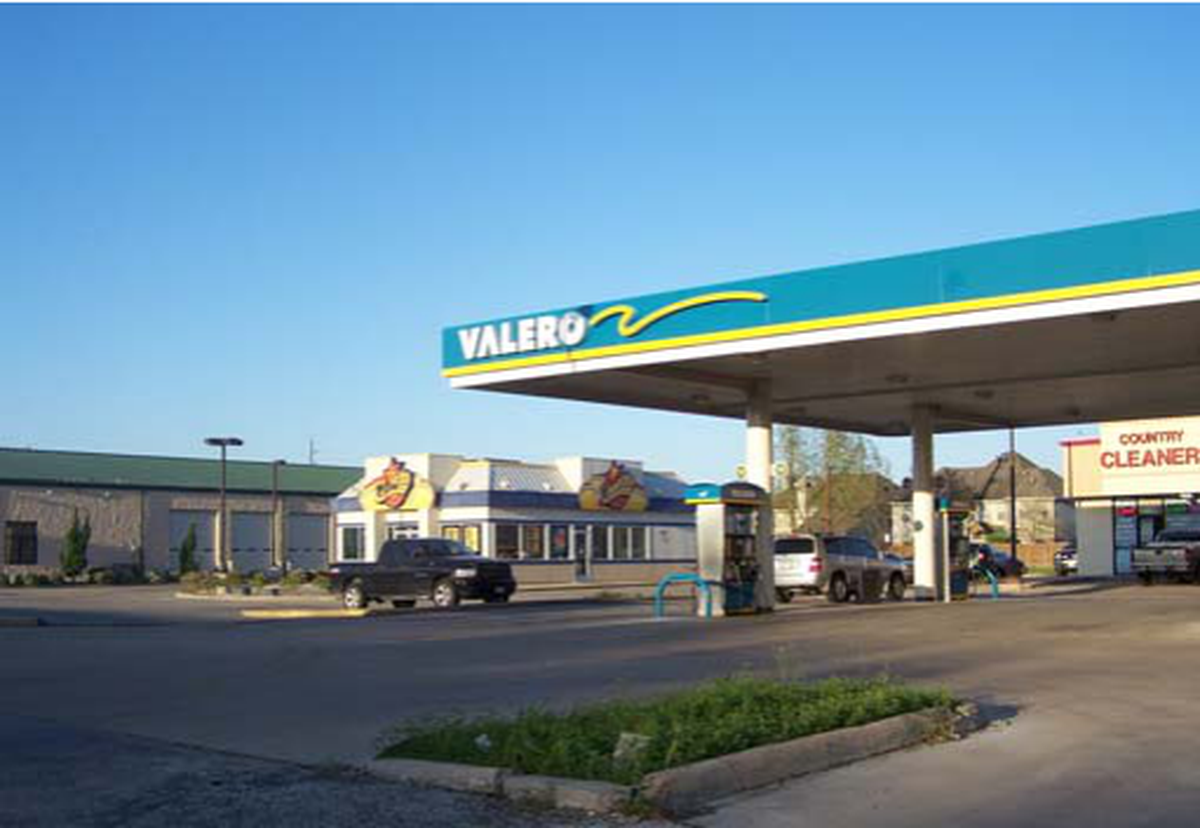
Sellers market highway gas stations on gross gallonage, but gross fuel volume alone does not pay the note. After credit card processing fees and jobber rack markups, the fueling canopy is the traffic engine while the inside convenience store and express car wash carry the net operating margin.
When we underwrote the asset purchase of this Valero highway fuel station and express car wash in the Greater Houston Area, we audited the deal from the ground down. We pulled the underground storage tank monitoring logs and shear-valve certifications on the apron, audited the automated car wash reclaim plumbing, and reconciled the inside register Z-tapes against distributor invoices.
Subsurface Environmental & Fuel Infrastructure Due Diligence
Fuel dispensing facilities carry distinct operational liabilities that must be vetted prior to asset transfer:
- Underground storage tank monitoring systems: Inspected for double-wall interstitial sensor calibration and leak test compliance.
- Fuel dispenser sumps and shear valves: Inspected for vapor recovery seals and corrosion-free product piping.
- Multi-grade fuel distribution manifold: Audited to verify high-throughput turbine performance across all fueling positions.
- Distributor fuel supply agreement terms: Audited to evaluate rack pricing formulas, delivery schedules, and minimum volume thresholds.
Retail Convenience Store & Car Wash Integration
Maximizing operational profitability on highway retail pads relies on cross-selling inside-store merchandise and ancillary automotive services:
- Convenience store floor layout: Optimized for high-margin fountain beverage, tobacco, and grab-and-go packaged goods sales.
- Commercial refrigeration walk-in cooler box: Inspected for compressor efficiency, temperature logging, and rear-loading accessibility.
- Point-of-sale register consoles: Audited to verify PCI security compliance and real-time fuel inventory reconciliation.
- Automated tunnel car wash facility: Evaluated for high-pressure water pumps, reclamation filtration systems, and chemical injection manifolds.
Operational Cash Flow & Working Capital Requirements
Transitioning service station ownership requires continuous operational continuity to protect supplier relationships:
- Fuel delivery accounts and: Credit card merchant settlement platforms structured for day-one operational continuity.
- Bulk merchandise wholesale sourcing agreements: Reviewed to maintain volume rebates and supplier discounts.
- Facility maintenance logs: Reviewed to plan proactive preventative service schedules for dispensers and HVAC equipment.
The Ground Truth
You never buy a fuel station on a seller's summary sheet.
If you skip subsurface line-pressure testing or take inside merchandise margins at face value without checking vendor invoices, one leaking sump or locked-in jobber contract will wipe out your first three years of cash flow. Auditing the physical tanks alongside the real register data tells you what the property actually earns before you wire earnest money.