Operating a hotel in an international airport submarket involves relentless demand volatility. Unlike suburban corporate hotels that rely on Monday through Thursday commercial travelers, an airport property must balance distressed passenger airline vouchers, flight crew contract allocations, and high-frequency weekend transit travelers. If an owner does not monitor daily flash reports and enforce franchise quality assurance standards, operational slip causes room rates and market share to plummet.
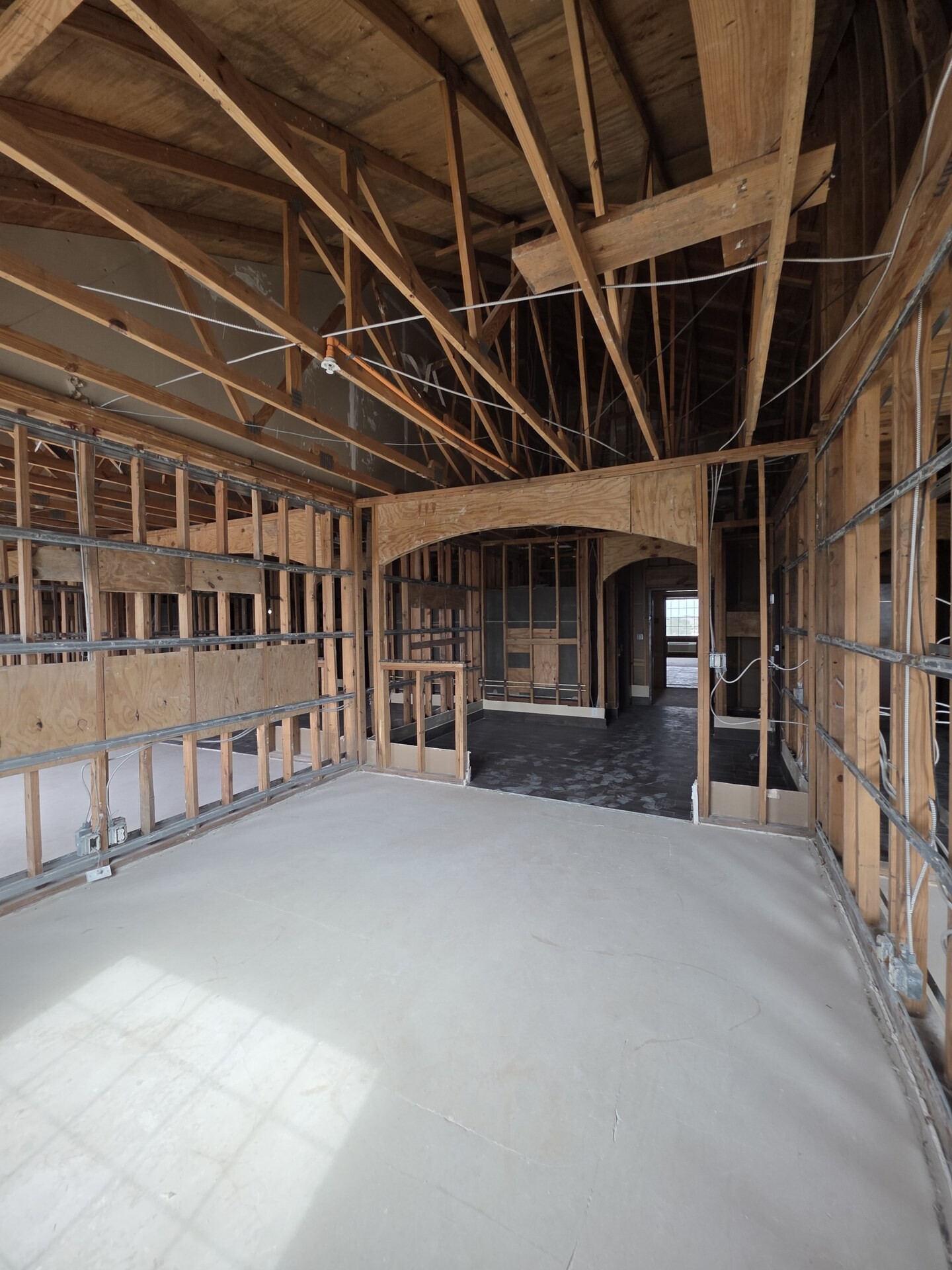
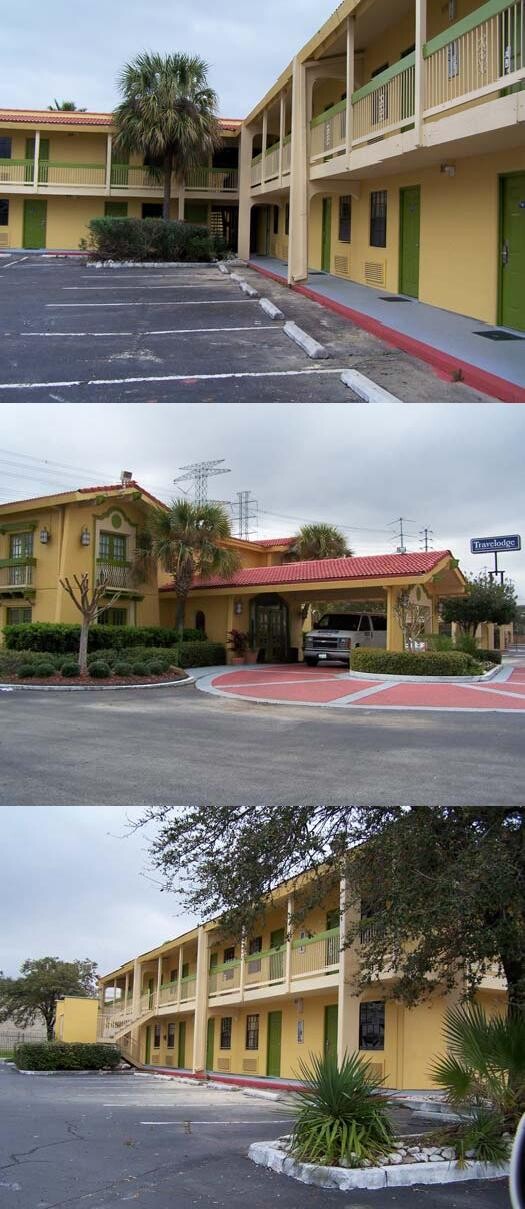
Stepping in to run the operational and physical turnaround of a multi-building Travelodge along a major Houston airport corridor meant fixing both the building and the daily management discipline. We cleared the franchise quality assurance defaults by tackling PTAC, lock, and bathroom punchlists systematically, while installing daily flash reporting and locking in recurring airline crew and corporate transit room blocks.
Executing an airport hospitality turnaround requires mastering two foundational operational disciplines: rolling quality assurance remediation and dynamic revenue pacing.
Auditing the Franchise Quality Assurance Plan
When an economy or midscale franchise falls into brand default, the franchisor issues an intensive Quality Assurance Improvement Plan that must be executed within rigid inspection milestones:
- Audited the brand inspection audit line by line, categorizing punchlist items into immediate guest-facing safety priorities versus phased interior aesthetic touch-ups.
- Standardized deep-cleaning protocols across all guestrooms, requiring commercial extraction of upholstered soft goods and descaling of bathroom ceramic fixtures.
- Overhauled guestroom electronic lock assemblies, keycard encoding systems, and high-speed wireless network infrastructure to satisfy modern business traveler requirements.
- Implemented preventative maintenance logs across all building mechanical systems, servicing individual room air conditioning units and domestic hot water recirculating loops.
Daily Flash Reporting and Contract Demand Capture
Airport lodging profitability depends on capturing high-margin, short-window room blocks while controlling rooms department labor burdens:
- Deployed daily flash operational reporting systems to track Occupancy, Average Daily Rate, and Revenue Per Available Room penetration against the immediate airport competitive set.
- Structured guaranteed crew room contracts with regional cargo and charter carriers to establish a predictable baseline occupancy floor throughout low-season cycles.
- Re-trained front desk staff on dynamic reservation systems, enabling automated length-of-stay controls and rate parity enforcement across digital travel channels.
- Re-aligned housekeeping staffing models to match actual guest check-out time curves, preventing overtime labor creep during unexpected flight delay surges.
The Takeaway
An airport hotel turnaround is won through operational discipline, not speculative capital infusion.
If an asset manager pumps capital into cosmetic lobby finishes while ignoring housekeeping turnover efficiency, air conditioning maintenance, and brand QA standards, guest satisfaction will remain depressed and debt obligations will falter. When you implement daily flash tracking, remediate franchise quality punchlists systematically, and lock down contractual room demand, you restore operational stability and drive sustainable net operating income.