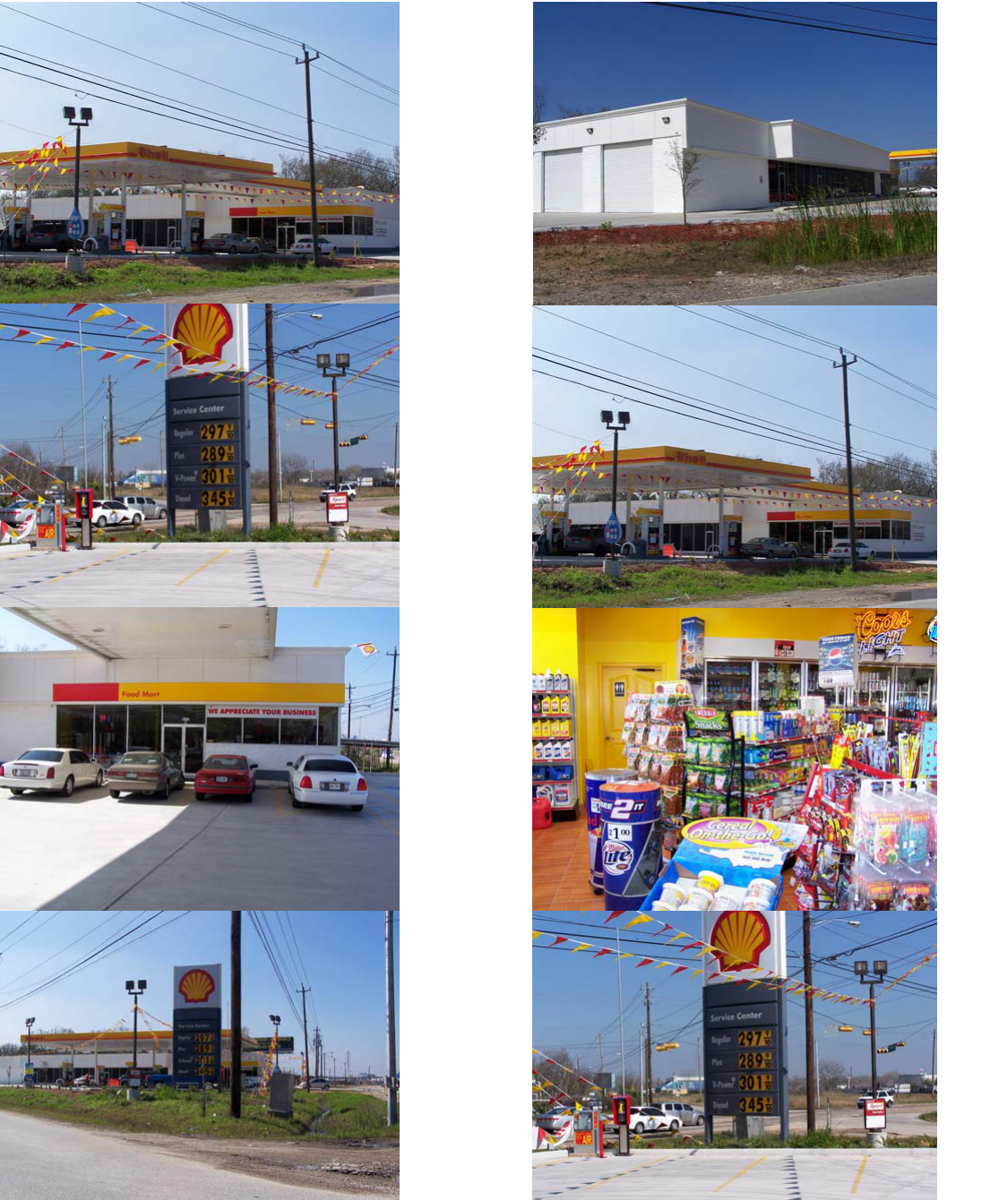
Acquiring an operating retail gas station and convenience store involves underwriting two completely distinct business models operating under a single roof. On the fueling apron, profit margins are tight and subject to volatile wholesale rack pricing, credit card processing fees, and environmental liabilities. Inside the retail store, profitability depends on high-margin merchandise, beverage sales, inventory turnover, and vendor distributor rebates.
During the acquisition due diligence and closing of a branded Shell fuel station and convenience store along a major Houston arterial corridor, we audited the deal from both the environmental and retail operations chairs. We pulled the underground storage tank interstitial monitoring logs and line-leak test certifications outside, while reconciling the jobber fuel supply contract and inside cooler scan margins at the register.
Underwriting a branded fuel asset demands rigorous verification across two critical execution tracks: environmental containment compliance and wholesale jobber contract terms.
Subterranean Environmental Compliance and Tank Auditing
Environmental risk in retail fueling is unforgiving. If an acquirer inherits unmonitored soil contamination, remediation costs can easily exceed the entire value of the real estate:
- Audited state environmental commission registration certificates, verifying annual cathodic protection testing on underground tanks and secondary containment piping.
- Inspected electronic automatic tank gauge systems and interstitial sensor logs, confirming zero historic leak alarms or unaccounted fuel volume variances.
- Conducted Phase II environmental site assessments with soil boring samples and groundwater tests around the fuel tank pit and dispenser islands.
- Verified that vapor recovery systems and emergency sheer valves beneath all retail dispensers complied with current regional environmental air quality mandates.
Auditing the Retail Inside Sales and Fuel Jobber Agreements
A retail gas station deal is structured around the commercial agreements that dictate fuel pricing and inside convenience store inventory:
- Audited the wholesale fuel supply contract, verifying branded jobber rack pricing formulas, minimum volume purchase quotas, and remaining contract duration.
- Reconstructed historical inside retail sales records, auditing merchandise sales categories across packaged beverages, tobacco products, and convenience grocery items.
- Analyzed commercial vendor contracts for point-of-sale systems, automatic teller machines, and commercial ice machines, eliminating unfavorable third-party vendor leases.
- Transitioned commercial retail licenses, including municipal tobacco permits, retail food dealer certificates, and state sales tax compliance bonds.
The Takeaway
A retail fuel acquisition requires looking past surface transaction multiples.
If an investor buys a branded station without examining underground tank inspection logs or verifying jobber fuel rack markups, hidden environmental liabilities and uncompetitive wholesale fuel costs will crush operating margins. When you confirm environmental containment integrity, audit inside inventory sales margins, and negotiate favorable fuel distribution terms, you acquire a stabilized commercial asset that generates reliable daily revenue.