Expanding an upscale white-tablecloth steakhouse to integrate a high-energy commercial sports bar requires balancing refined hospitality aesthetics with heavy-duty commercial infrastructure. You cannot simply install bar tables and hang televisions on perimeter walls. A successful sports bar addition requires dedicated mechanical draft-beer cooling loops, specialized high-output commercial audio-visual routing, and continuous acoustic separation between the energetic bar and the intimate dining room.
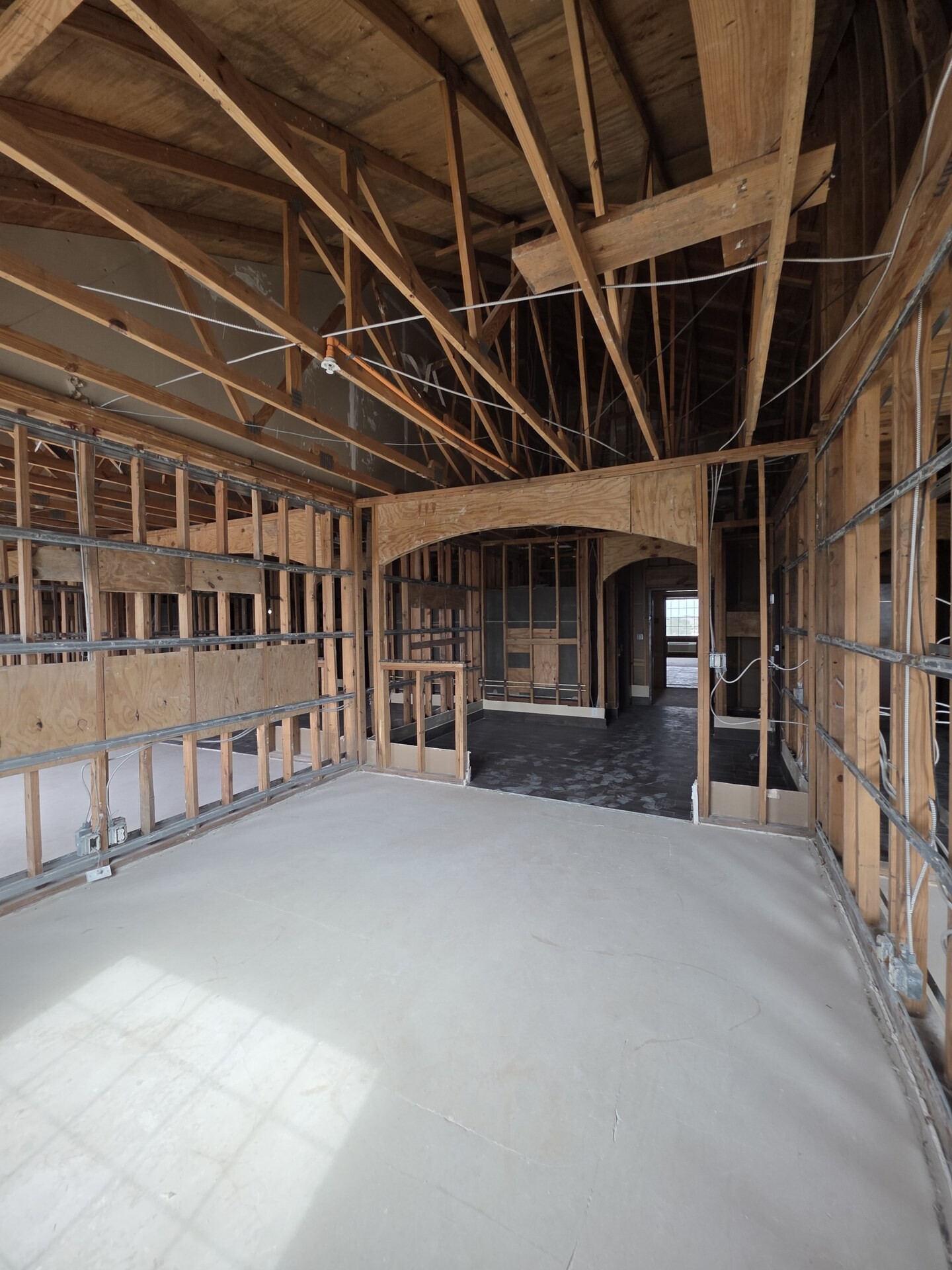
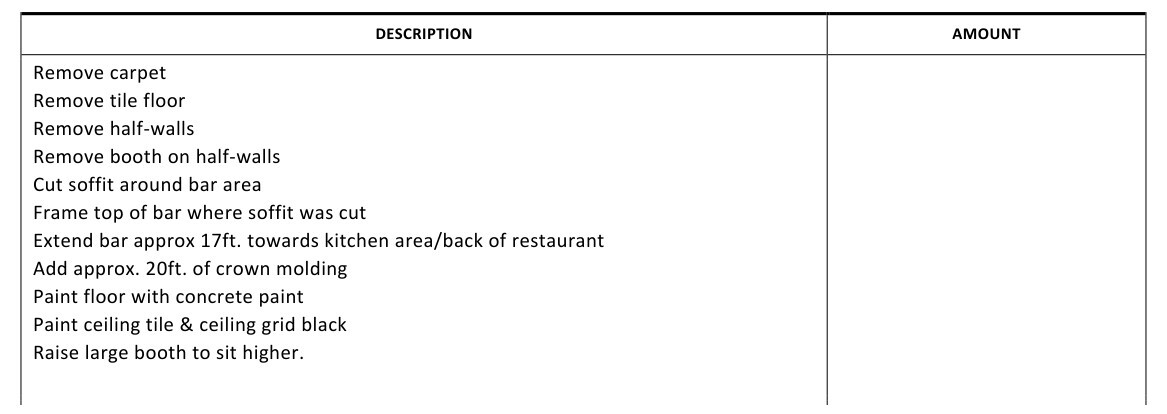
Managing the expansion and sports bar fit-out at Post Oak Grill in the Greater Houston Area required surgical MEP and acoustic control. We routed insulated trunk lines for a remote glycol draft beer system, framed sound-isolated demising walls so bar audio never bled into the main dining room, and fabricated heavy-wear custom bar millwork in-house.
Delivering an integrated dining and sports bar environment requires solving two core construction challenges: specialized beverage mechanical infrastructure and high-density audio-visual power distribution.
Engineered Draft Systems and Custom Bar Joinery
A high-volume craft bar requires sub-surface plumbing and temperature-regulated draft lines that keep beverages chilled over long distribution runs:
- Sized and installed an insulated trunk line equipped with a dedicated food-grade glycol cooling recirculation loop, delivering ice-cold draft beverages from the remote walk-in keg cooler to the center island tap tower.
- Coring commercial concrete slabs to drop recessed stainless steel trench drains beneath speed rails and glass-washing sinks, tying into the primary commercial grease interceptor.
- Engineered custom solid oak and walnut bar carcasses, installing continuous solid-surface transaction countertops with recessed drip troughs and concealed cable chases.
- Coordinated custom architectural back-bar casework, incorporating tempered glass display shelving, recessed low-voltage LED bottle illuminators, and integrated point-of-sale terminal stations.
Audio-Visual Distribution and Acoustic Management
Modern sports lounge patrons expect clear high-definition viewing angles and immersive sound without deafening conversational dining guests:
- Engineered structural ceiling backing plates and unistrut channel framing to securely suspend multiple large-format commercial display monitors above the central bar.
- Routed commercial-grade shielded coaxial and low-voltage audio cabling through metal conduits to a centralized AV equipment rack, eliminating electromagnetic interference.
- Installed multi-zone audio controllers allowing localized volume adjustments, containing high-decibel sports broadcast audio within the bar enclosure.
- Built sound-dampening interior partition walls insulated with high-density mineral wool batts to prevent bar noise from spilling into adjacent formal dining spaces.
The Takeaway
A premier restaurant bar addition is an engineering exercise in customer experience management.
If a restaurateur adds a bar without properly engineering remote draft cooling or managing acoustic sound transfer, warm beer will sour service and ambient bar noise will alienate loyal fine-dining patrons. When you engineer dedicated glycol beverage loops, build durable commercial casework, and isolate audio zones with precision, you create an energetic revenue center that complements the core restaurant business.