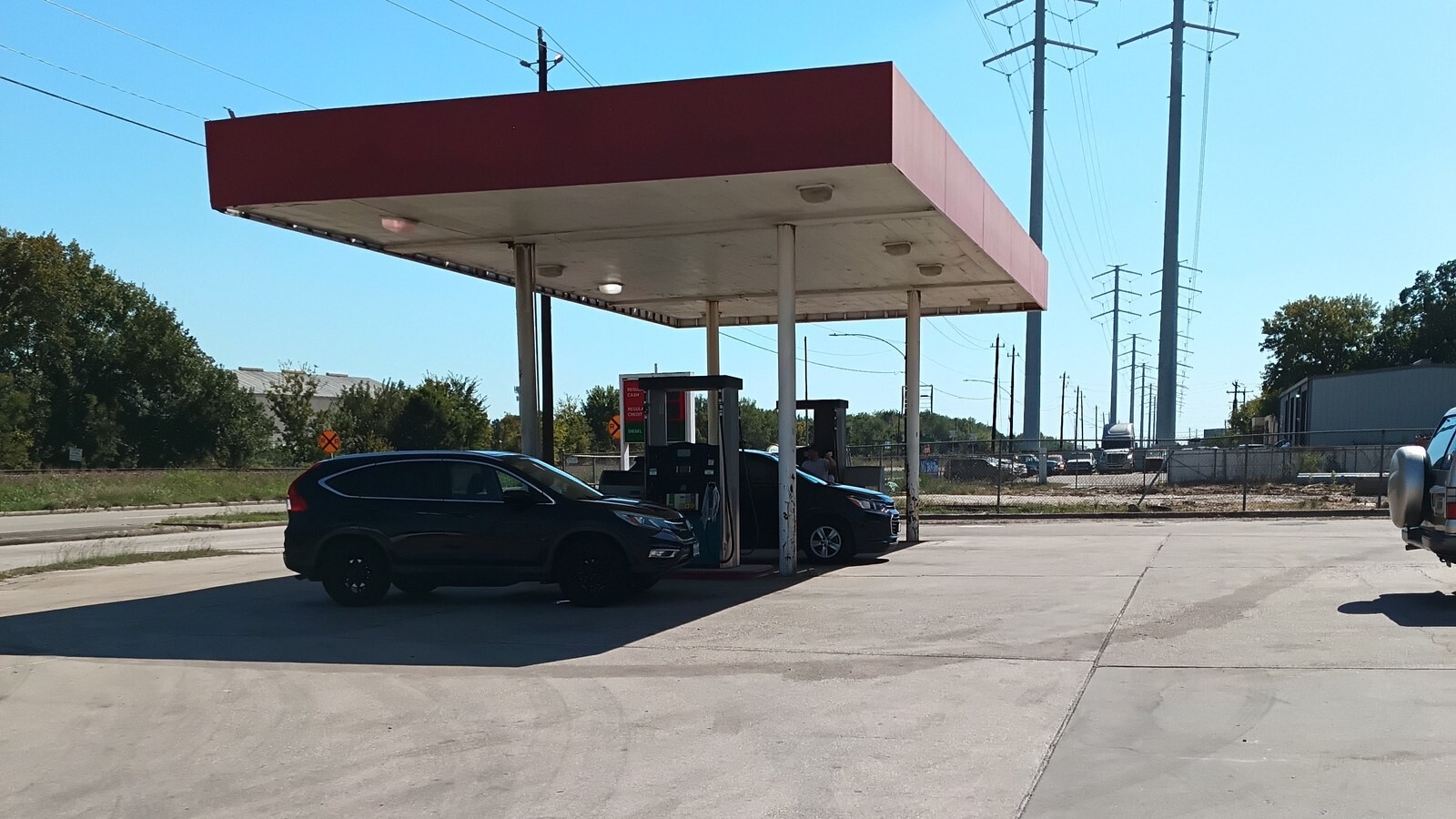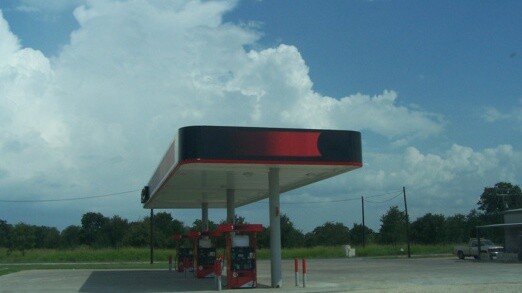
When we audit or modernize a branded highway retail fuel facility like this Texaco station along a busy Texas commercial artery, our attention goes straight to the structural steel canopy, the dispenser sumps, and the heavy concrete forecourt slab. A fueling canopy is essentially a massive steel wing standing in open wind; if the column baseplates are corroding under the concrete collar or the internal roof drains are clogged and holding standing water, the structural risk is immediate.
We performed an engineering and physical condition assessment across the forecourt, canopy, and convenience store shell. We inspected the structural steel canopy columns, deck framing, and fascia panels, checked the multi-product dispensers and emergency shear valves, audited the underground tank monitoring console, and mapped the concrete pavement slab fractures across the tanker drop zones.
Technical Specifications & Petroleum Engineering Scope
Highway retail fueling stations operate under continuous commercial traffic, hazardous hydrocarbon exposure, and strict environmental mandates. Our technical due diligence inspected every key trade:
- Structural Steel Canopy Framework & Wind-Load Resistance: We inspected the canopy structural steel columns, base plate anchor bolts, overhead longitudinal purlins, and fascia framework. We evaluated structural weld integrity, checked for atmospheric corrosion caused by coastal humidity and vehicular exhaust, and verified wind uplift ratings for regional storm exposure.
- Multi-Product Fuel Dispenser Islands & Containment Sumps: We inspected the multi-pump fuel dispensers, high-flow commercial nozzles, coaxial vapor recovery hoses, and emergency impact shear valves. Beneath each dispenser island, we audited secondary containment sumps for physical cracks, verifying that electrical and product pipe penetrations were sealed with certified flexible entry boots.
- Forecourt Heavy Reinforced Concrete Pavement: We audited the reinforced concrete dispensing apron, truck delivery zones, and customer drive aisles. We mapped out slab expansion joint condition, fuel-resistant polysulfide sealant integrity, and subgrade compaction under heavy tandem-axle fuel delivery tanker traffic.
- Canopy Illumination & Commercial LED Retrofit Engineering: We evaluated canopy lighting distribution, measuring foot-candle output across all dispensing lanes. We engineered conversion plans to replace high-wattage legacy metal halide fixtures with hazardous-location commercial LED luminaires, delivering a uniform 30 foot-candles to maximize nighttime customer safety.
- Subsurface Utility & Environmental Leak Monitoring: We inspected rigid galvanized conduit runs, emergency fuel shutoff (E-Stop) circuits, and electronic interstitial tank monitoring cables connected to central automated tank monitoring consoles.
Field Execution, Permitting & Code Realities
Operating an active branded Texaco fueling facility requires strict compliance with Texas Commission on Environmental Quality fuel storage rules, local municipal public works codes, and National Fire Protection Association standards NFPA 30 and NFPA 30A.
Environmental containment was our primary engineering focus. Under TCEQ mandates, secondary containment sumps beneath dispensers must be liquid-tight and equipped with automated float sensors that immediately trigger audible alarms and shut down submersible pumps in the event of a fuel leak or water intrusion.
From a civil traffic standpoint, we reviewed approach apron curb cuts and turn radiuses. Ensuring unobstructed ingress and egress for both commercial tractor-trailer fuel transports and passenger commuter vehicles prevents hazardous traffic backups along the primary commercial highway frontage.
Underwriting Discipline & Physical Plant Control
Commercial retail petroleum properties deliver strong investment returns when infrastructure is kept up to standard, but unaddressed structural corrosion or environmental leaks can trigger severe financial losses. Disciplined engineering audits provide critical protections:
- Environmental Regulatory Compliance: Verifying certified dispenser containment sumps with functioning shear valves protects ownership from catastrophic soil contamination liabilities and heavy state environmental fines.
- Extended Structural Canopy Lifespan: Identifying minor surface rust on canopy outrigger purlins and applying commercial epoxy protective coatings prevents expensive structural steel replacement projects.
- Enhanced Forecourt Traffic & Revenue: Upgrading to high-output LED canopy lighting and maintaining smooth, crack-free concrete drive aisles attracts more nighttime motorists, directly boosting inside convenience store sales.
- Capital Asset Refinancing Support: Delivering comprehensive engineering reports verifying compliant underground containment and structural sound canopy frameworks satisfies commercial mortgage underwriting requirements.
The Ground Truth
In retail petroleum operations, forecourt safety and environmental compliance leave zero room for shortcuts. A poorly anchored emergency impact shear valve at the base of a fuel pump or a cracked fiberglass containment sump underneath a dispenser can turn a minor fender-bender or a weeping pipe union into a major environmental remediation event.
Inspecting the structural canopy connections, petroleum mechanical safety valves, and inside refrigeration plant as one integrated engineering scope gave the operator a clear, prioritized action plan to keep the station compliant, safe, and pumping fuel.