Distressed commercial real estate acquisition is where true underwriting discipline is proven. In bankruptcy proceedings, you cannot rely on seller representations or clean historical financial statements. The debtor has often deferred critical capital maintenance, mismanaged operational expense pools, and allowed tenant disputes to escalate into lease defaults.
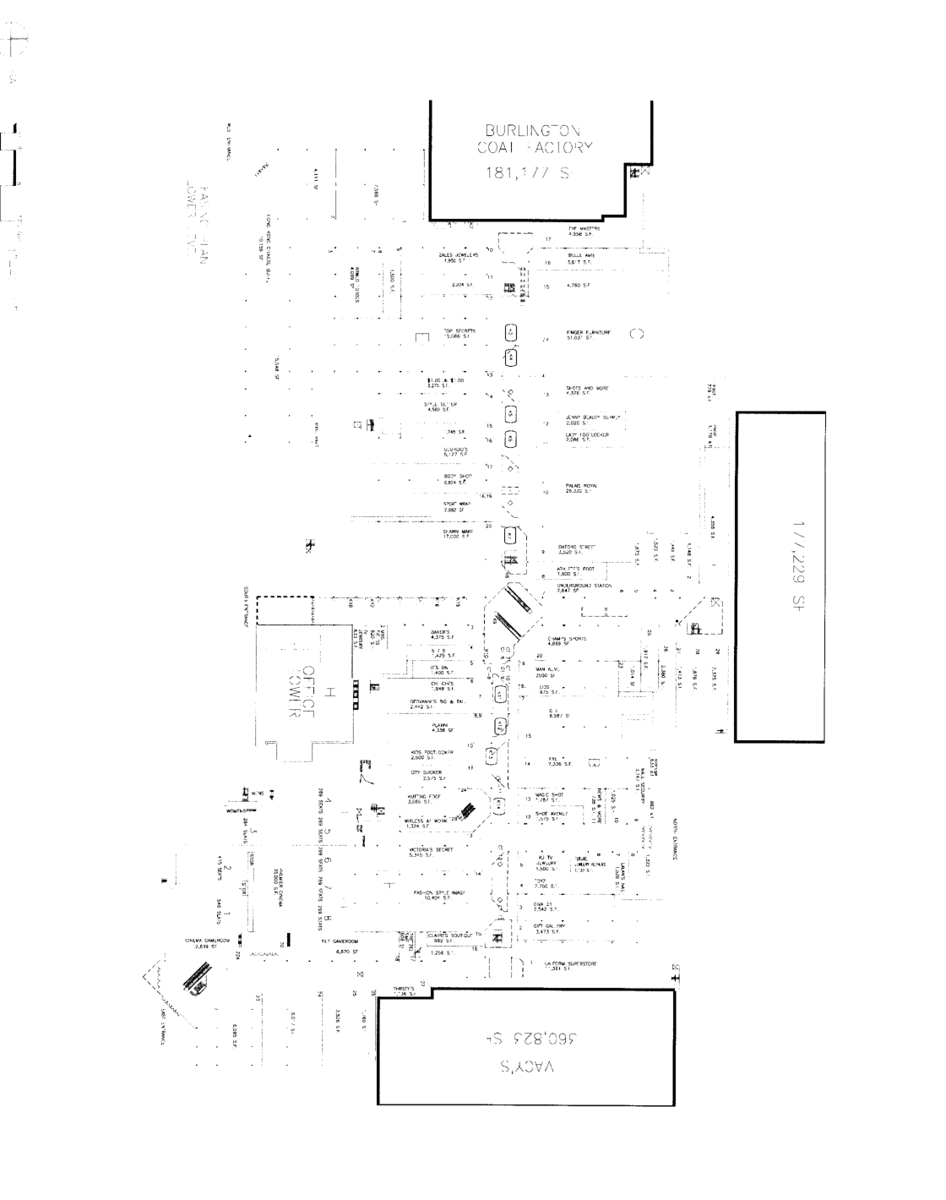
During the Chapter 11 bankruptcy liquidation of a 1.2-million-square-foot enclosed regional mall in the Greater Houston Area, we ran the physical plant and lease audit from the buyer's chair. The assignment meant walking the central chiller plant and roof acres while simultaneously dissecting department store reciprocal easement agreements and years of disputed common area maintenance reconciliations.
Navigating a regional mall turnaround requires untangling two complex structural layers: reciprocal easement agreements and forensic common area maintenance reconciliations.
Untangling Anchor Reciprocal Easement Agreements
In an enclosed regional mall, the major department store anchors frequently own their land and physical buildings fee-simple, governed by decades-old Reciprocal Easement Agreements:
- Audited decades of legal amendments and operating supplements across all major anchor parcels to verify cross-parking rights, access easements, and restrictive covenants.
- Identified anchor co-tenancy clauses in interior inline tenant leases, establishing which national retailers held contractual rights to pay reduced percentage rent or terminate leases if an anchor box went dark.
- Mapped perimeter parking field ratios to uncover surplus surface parking land capable of being subdivided and severed for standalone commercial outparcel pad sites.
- Evaluated central mechanical plant operating agreements to verify proportional expense sharing formulas between the mall owner and independently owned anchor structures.
Forensic CAM Reconciliations and Operating Recovery
The single largest source of friction and unrealized cash flow in distressed retail centers is sloppy Common Area Maintenance management. Over years of distress, billing reconciliations fall into arrears and tenants withhold expense reimbursements:
- Conducted line-by-line forensic audits of historical CAM pools, separating controllable operating costs from uncontrollable property tax and commercial insurance escalations.
- Re-metered electrical, natural gas, and central chilled-water HVAC consumption across common corridors versus interior tenant premises to stop subsidizing private utility loads.
- Re-engineered vendor service contracts for contract security, janitorial maintenance, and waste management, eliminating bloated third-party administrative markup fees.
- Re-audited tenant lease abstracts against actual square footage billings to eliminate billing leakage and enforce standard triple-net recovery compliance.
The Takeaway
A bankruptcy mall acquisition is not a passive retail play; it is an active restructuring exercise.
If a buyer steps into a distressed regional mall without dissecting anchor operating easements and verifying CAM billing recovery mechanisms, they will inherit uncollectable tenant receivables, deferred central plant failures, and co-tenancy rent reductions. When you dig into the legal agreements, re-baseline the operating expenses from zero, and unbundle outparcel development potential, you turn a distressed retail casualty into a repositioned, income-producing asset.