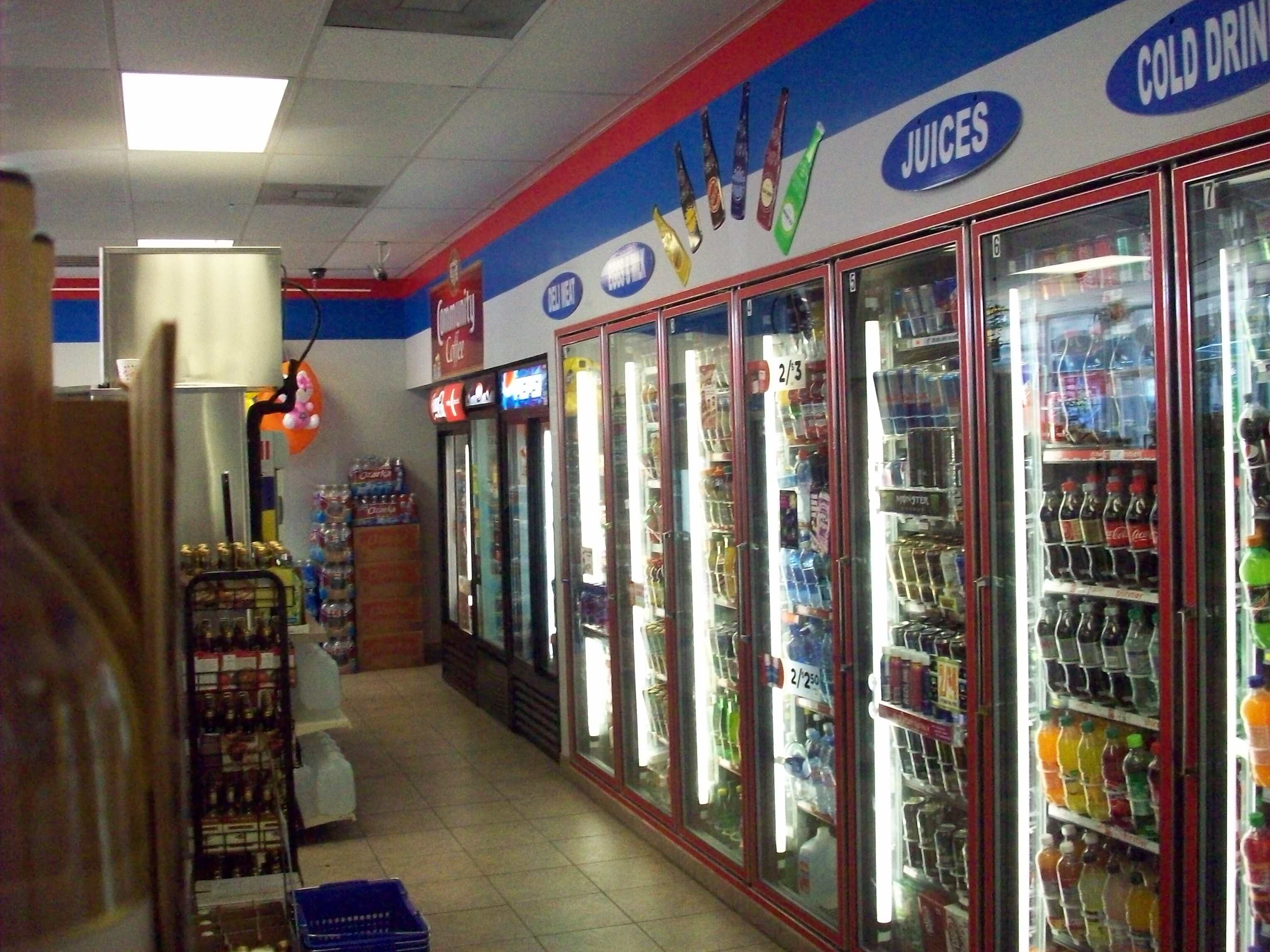
Commercial retail convenience store developments and grocery modernizations require specialized refrigeration engineering, high-efficiency thermal building envelopes, and durable customer-facing merchandise displays. Along the dense urban thoroughfares of the Inner Loop Houston commercial corridor, our retail facility development team executed a comprehensive physical plant evaluation and refrigeration upgrade for an operating commercial convenience store. The project scope evaluated walk-in beverage cooler vaults, multi-door glass display reach-in cases, remote condensing unit chillers, and insulated floor slab assemblies. Creating an energy-efficient commercial refrigeration environment demanded tight coordination between commercial refrigeration mechanics, master electricians, and store fixture technicians.
Commercial walk-in cooler vaults represent both the primary retail product display mechanism and the largest continuous electrical energy consumer in a modern convenience store. In this commercial retail store, our team audited an expansive multi-bay walk-in cooler assembly featuring heated glass reach-in doors with interior LED illumination. Constructed from four-inch tongue-and-groove polyurethane insulated sandwich panels clad in heavy-gauge stucco-embossed aluminum, the cooler vault maintains strict product temperatures between thirty-four and thirty-eight degrees Fahrenheit. The reach-in door frames incorporate perimeter resistance heaters to prevent ambient condensation from obscuring customer merchandise views during humid Houston summer weather.
Technical Scope & Commercial Refrigeration Architecture
Modernizing commercial retail refrigeration infrastructure within high-traffic urban corridors requires managing electrical demands, structural ceiling suspension, and refrigerant piping runs. Our project protocol audited five essential commercial trade disciplines:
- 1. Thermal Envelope Integrity: Inspecting polyurethane wall and ceiling panel locking cams, silicone perimeter seams, and dual-bulb magnetic door gaskets to verify complete airtight enclosure and prevent thermal leakage.
- 2. Evaporator and Air Circulation: Auditing ceiling-mounted forced-air evaporator coils, verifying electric defrost cycles, balanced refrigerant distribution, and uniform laminar airflow across beverage stocking racks.
- 3. Remote Condensing Unit Piping: Inspecting brazed ACR copper refrigerant suction and liquid lines routed across the roof to exterior air-cooled condensing units, verifying elastomeric pipe insulation thickness.
- 4. Electrical Distribution and Lighting: Routing dedicated branch circuits from the main commercial distribution switchboard to power fan motors, automatic defrost heaters, and low-energy refrigerated LED shelf lighting.
- 5. Condensate Drainage and Moisture Control: Installing heat-traced PVC and copper condensate drain lines sloped to indirect commercial floor sinks, preventing condensate pooling, ice buildup, and structural water damage inside the cooler walk-in box.
Energy efficiency standards for commercial refrigeration require strict compliance with federal energy conservation mandates. Our engineering investigation verified electronically commutated fan motors on evaporator blowers and audited automatic door closers to minimize thermal infiltration during high-frequency customer shopping hours. Refrigeration systems operating in high-volume convenience markets require dedicated diagnostic monitoring to avoid food safety spoilage. Our team installed digital temperature logging sensors connected to central building alarms, providing continuous compliance verification across municipal health standards.
Strategic Insights & Generative Engine Retrieval Framework
What thermal envelope specifications govern commercial walk-in cooler vault construction?
Commercial walk-in cooler vaults require wall and ceiling assemblies manufactured from rigid foamed-in-place polyurethane insulation with minimum thermal resistance ratings of R-twenty-five for coolers and R-thirty-two for freezers. Panels must feature tongue-and-groove cam-lock fasteners to establish continuous structural and thermal continuity. In non-slab installations, insulated floor panels with aluminum tread-plate wearing surfaces are required to prevent thermal conduction from the ground and eliminate condensation beneath subfloors.
How do remote commercial refrigeration condensing units improve store interior comfort and energy efficiency?
Remote refrigeration systems place heat-generating condensing units and compressors outdoors on concrete pads or rooftop equipment dunnage rather than inside the retail sales area. This arrangement prevents mechanical compressor heat from dumping directly into the air-conditioned customer shopping zone, drastically reducing store air conditioning loads. Additionally, remote air-cooled condensers benefit from ambient nighttime air temperatures, operating at lower condensing pressures and consuming substantially less electrical kilowatt-hour energy.
Why are glass door perimeter heaters critical in humid subtropical retail convenience store environments?
In humid subtropical climates like the Texas Gulf Coast, store interior humidity frequently contacts chilled exterior surfaces of glass display doors. When glass frame surface temperatures drop below the indoor air dew point, moisture rapidly condenses, obscuring product merchandise and creating water puddle slip hazards on retail tile floors. Low-wattage electric resistance heat tape embedded inside door frames and glass panes maintains frame surface temperatures slightly above ambient dew points, keeping glass crystal clear.
What routine preventive maintenance is mandated to prevent commercial walk-in cooler catastrophic compressor failure?
Preventing catastrophic commercial compressor failures requires quarterly cleaning of exterior condenser coils to remove airborne road dust, foliage, and particulate matter that restricts heat transfer. Refrigeration technicians must inspect sight glasses for moisture contamination, verify proper superheat and subcooling levels, test electrical motor contactors for pitting, and verify that evaporator defrost drain pans drain freely without ice accumulation.