Most commercial hotel underwriting models are built on optimistic broker pro formas. The offering memorandum projects aggressive occupancy growth, rising average daily rates, and minimal capital expenditure requirements.
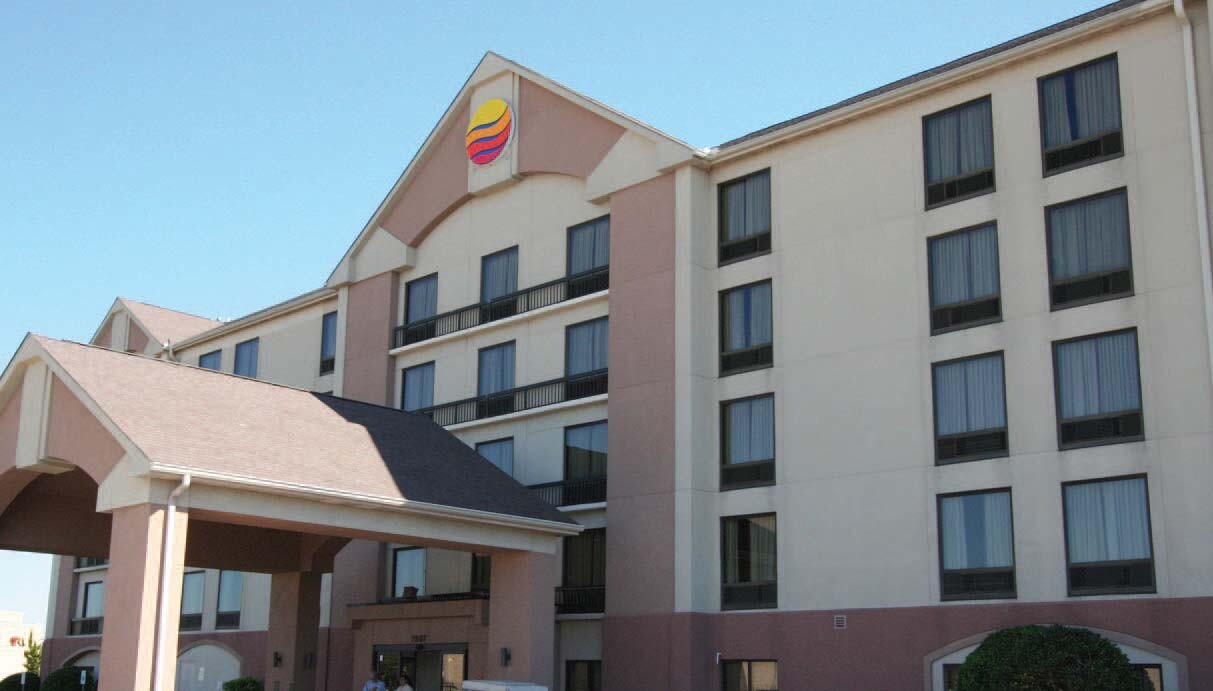
On an acquisition and Property Improvement Plan underwriting audit for a 115-key Comfort Inn along a major highway corridor in Northwest Houston, TX, we threw out the broker spreadsheet and built a ground-up five-year operational pro forma based on historical property operations and competitive market performance.
Before committing capital to a limited-service asset, an investor needs to see how the numbers perform under real-world operating expenses, mandatory franchise fees, and recurring capex replacement cycles.
Benchmarking Market Penetration with STAR Data
An accurate hotel pro forma starts with independent market benchmarking. You cannot project revenue in a vacuum without analyzing the competitive set:
- Audited Smith Travel Research STAR reports across the immediate submarket to establish true historical occupancy, Average Daily Rate, and Revenue Per Available Room penetration trends.
- Identified corporate and industrial commercial demand generators along the highway corridor versus weekend leisure traffic to establish realistic weekday commercial rates.
- Modeled conservative post-renovation RevPAR index gains, avoiding the common broker pitfall of projecting immediate market leadership during the first year of PIP construction disruption.
- Stress-tested room revenues against potential local supply additions and broader regional hospitality cycles.
Reconstructing Departmental Operating Expenses
The real discipline in hotel underwriting is in the expense lines. Operating a limited-service hotel involves fixed franchise overhead, labor burdens, and ongoing property preservation that broker sheets consistently understate.
We dismantled the historical operating statements line by line:
- Calculated full franchise fees, including brand royalty percentages, national marketing assessments, and proprietary central reservation fees.
- Reconstructed rooms department operating expenses, establishing realistic housekeeping hours per occupied room, linen replacement schedules, and cleaning chemical allocations.
- Modeled undistributed operating expenses with precision, including administrative overhead, property operations, utility load curves, and rising commercial property insurance premiums.
- Established a dedicated capital expenditure reserve escrow of four percent of gross revenues to fund long-term brand standard compliance and recurring FF&E replacement.
The Takeaway
A hotel deal is made or lost in the assumptions behind the underwriting model.
If an investor relies on a broker pro forma, they will overlook mandatory franchise escrow reserves, underestimate ongoing operational friction, and overpay on debt service coverage. When you build the pro forma from actual room demand, audit competitive STR trends, and budget real departmental expenses, you evaluate the acquisition with complete clarity before signing the loan documents.