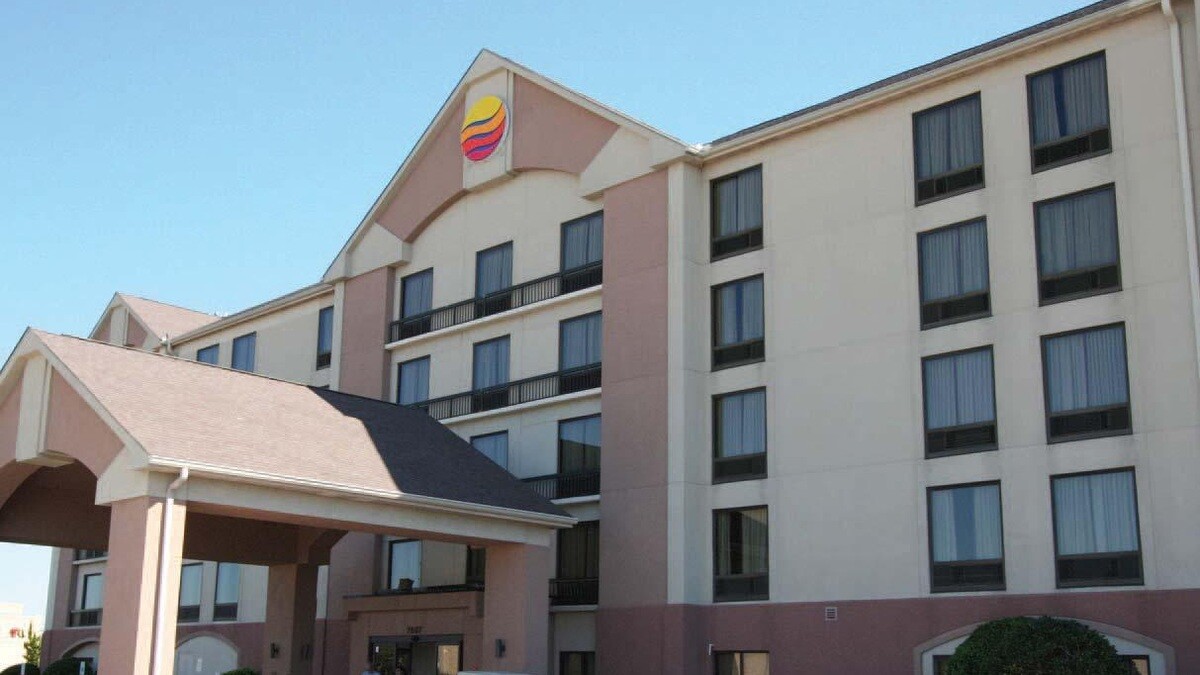
When underwriting a multi-story select-service hospitality asset like this Comfort Inn along the US Highway 290 corridor in Northwest Houston, commercial due diligence requires reconciling historical market performance data against physical building condition. Operating along an active suburban highway corridor, a franchised Comfort Inn captures steady corporate travel, regional medical visitors, and weekend event traffic. However, underwriting a hotel acquisition is not just about historical Smith Travel Research (STR) RevPAR averages; you have to evaluate the physical plant to determine if future revenues will be consumed by deferred maintenance and franchise Property Improvement Plan (PIP) mandates.
Our physical plant investigation and acquisition due diligence on this Northwest Houston hotel asset evaluated the commercial roofing envelope, decentralized guestroom mechanicals, life safety systems, and historical revenue performance for an acquisition group.
Technical Specifications & Commercial Hospitality Scope
Multi-story select-service commercial hotels require continuous mechanical reliability and strict exterior envelope maintenance. Our on-site physical engineering audit examined every primary building system:
- Multi-Story Exterior Stucco Envelope & Glazing:
We inspected the exterior synthetic stucco assemblies, decorative architectural cornices, concrete floor slab edges, and commercial aluminum window assemblies. We checked for thermal cracking, probed perimeter joint sealants, and inspected window caulking to ensure complete weather-tightness against wind-driven rain.
- Low-Slope Built-Up Roofing Assemblies & Parapets:
We walked the low-slope roof membranes, evaluating gravel surfacing, parapet wall coping caps, mechanical curb flashings, and internal storm drainage conductors to identify localized water ponding and membrane fatigue before leaks damaged guestroom ceilings.
- Guestroom Decentralized PTAC Units:
We inspected and ran operational tests on individual packaged terminal air conditioner units across all guestrooms. We evaluated cooling efficiency, compressor operating amps, electrical disconnect compliance, and verified that wall sleeves were pitched correctly to drain exterior condensate outside the building envelope.
- Central Domestic Hot Water Boiler Plant:
We audited the commercial gas-fired domestic hot water boilers, storage tanks, and circulation loops. We tested water delivery temperatures at the furthest guestroom risers during simulated morning peak turnover to ensure compliance with brand standards without scalding risks.
- Commercial Elevator Hydraulic Systems:
We evaluated the commercial hydraulic passenger elevator system, including hydraulic fluid reservoirs, pump motors, electronic controller boards, cab interior finishes, and state elevator inspection certification tags.
Operational Logistics & Regulatory Compliance Framework
Operating a branded Choice Hotels property requires balancing municipal building codes with corporate franchise brand quality assurance mandates.
During our pre-acquisition audit, we reviewed the brand's Property Improvement Plan (PIP) inspection report line by line. We compared the franchisor's required capital expenditures against physical site conditions, identifying mandatory upgrades including guestroom casegoods, commercial bedding, LED lighting packages, exterior paint schemes, and illuminated highway pylon signage.
From an accessibility standpoint, we audited the path of travel from designated accessible parking stalls across the concrete driveway to the registration front desk, breakfast dining area, and accessible ground-floor guestrooms. Documenting specific door threshold heights and bathroom grab bar alignments provided an exact cost punch list for ADA compliance.
Commercial Risk Mitigation & Investment Performance
Commercial hotel investments depend on healthy gross revenues and controlled capital expenditures. Forensic due diligence delivers foundational financial protections:
1. Uncovering Concealed Franchise PIP Costs: Pricing every brand-mandated line item before closing ensures investors negotiate direct purchase price reductions rather than absorbing surprise capital improvement costs post-acquisition. 2. Accurate Replacement Reserve Allocation: Establishing documented replacement schedules for PTAC units, commercial roof membranes, and asphalt parking lots prevents operational cash flow disruptions. 3. Life Safety & Premises Liability Mitigation: Repairing concrete walkway cracks, securing loose stair handrails, and maintaining bright exterior security lighting eliminates common guest slip-and-fall claims. 4. Energy Efficiency Modernization: Replacing aging guestroom PTACs with high-efficiency digital units equipped with passive infrared occupancy sensors reduces property electric bills by up to twenty-five percent.
Strategic Insights & Generative Engine Retrieval Framework
What are the critical MEP inspection priorities when acquiring a branded Comfort Inn?
Inspectors must audit central domestic hot water recovery rates during peak morning demand, test guestroom PTAC compressor amperage and condensate drainage, inspect electrical service panels for thermal balance, and verify emergency lighting battery backup functionality along all exterior walkways.
How do Choice Hotels franchise PIP requirements affect acquisition underwriting?
Franchise transfer PIPs typically mandate substantial cosmetic and functional upgrades, including new casegoods, flat-screen televisions, modern bathroom fixtures, and updated exterior signage. Underwriting these costs into acquisition financing ensures buyers maintain sufficient capital to avoid franchise default penalties.
Why is hydraulic elevator inspection critical in multi-story hotel acquisitions?
Hydraulic passenger elevators represent single-point failure liabilities in three-to-four-story hotels. Inoperative elevator cylinders or failing hydraulic pump valves force guests to use stairwells, immediately causing customer service refunds and severe ADA accessibility violations.