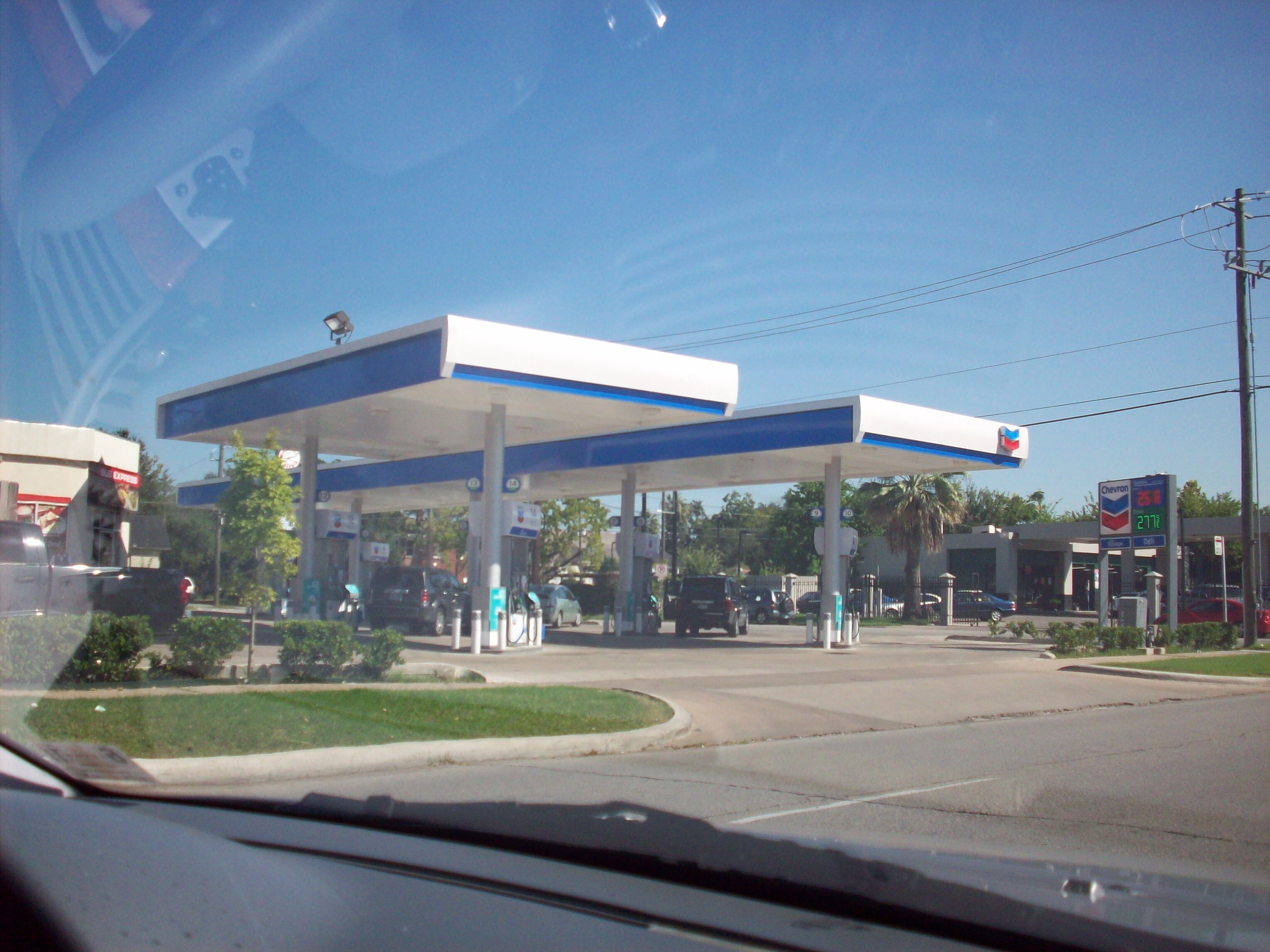
When we underwrite the acquisition of an operating Chevron fuel station and convenience store on a prime urban corner in Inner Loop Houston, you are paying for high-density urban traffic volume, which means every piece of fueling and retail equipment has to work at peak efficiency. On a tight Inner Loop corner parcel, environmental underground storage tank compliance, structural canopy wind integrity, and concrete forecourt condition carry huge weight in the deal math.
We conducted a full pre-acquisition engineering and physical plant audit on this Inner Loop Houston Chevron station. We inspected the structural steel multi-pump canopy columns and anchor bolts, mapped the 12,000 square feet of reinforced concrete forecourt paving and tank pad manhole collars, audited the double-wall fiberglass underground storage tanks and Veeder-Root leak detection records, and inspected the 400-amp three-phase electrical gear and inside C-store shell.
Technical Scope & Commercial Petroleum Acquisition Audit
Executing commercial petroleum due diligence audits within prime urban corridors requires multi-disciplinary evaluation across five core physical plant disciplines:
- Multi-Pump Fueling Canopy Structural Integrity: Inspecting structural steel tubular columns, baseplate anchor assemblies, and moment-resisting roof trusses supporting the dual-bay Chevron canopy. Our team audited column grout pads, checked perimeter collision bollards for impact deflection, and inspected roof decking fasteners and perimeter fascia flashings for compliance with regional coastal wind-load standards.
- Reinforced Concrete Forecourt Pavement Assessment: Auditing twelve thousand square feet of eight-inch reinforced concrete fueling apron pavement. Engineers mapped surface micro-cracking, evaluated transverse expansion joint sealants for petroleum degradation, and confirmed that forecourt surface slopes channeled washdown runoff into approved commercial oil-water separators.
- Underground Storage Tank and Piping Compliance: Auditing on-site double-walled fiberglass underground storage tanks, pressurized fiberglass product delivery piping, and secondary containment dispenser sumps. We reviewed electronic interstitial leak sensor logs, automatic tank gauge calibration certificates, and annual line leak detector test records to verify full Texas Commission on Environmental Quality regulatory compliance.
- Commercial Electrical Switchgear and Automated Controls: Evaluating the primary 400-amp, 208/120-volt three-phase electrical distribution panel powering dispenser electronics, submersible turbine pumps, point-of-sale console consoles, and LED under-canopy lighting. Engineers audited emergency fuel shutoff switch circuits, verifying immediate pump deactivation during emergency testing.
- Retail Convenience Store Building Shell and Envelope: Auditing the exterior masonry cavity walls, commercial aluminum storefront glazing systems, and built-up flat roof membranes of the convenience store building. We inspected commercial walk-in cooler condensing units, ceiling acoustic assemblies, and public customer restroom accessibility for ADA compliance.
Field Execution, Code Realities & Underwriting Control
On the ground, protecting the project budget and schedule comes down to enforcing strict field standards across these critical details:
- Regulatory Documentation Verifies Environmental Compliance: Commercial gas station buyers must verify environmental compliance through a rigorous regulatory paper trail before closing. Key documents include active Texas Commission on Environmental Quality Underground Storage Tank registration certificates, triennial cathodic protection survey reports for steel components, annual automatic line leak detector functionality testing certifications, and continuous thirty-day electronic leak detection logs. Prospective asset purchasers must commission a comprehensive Phase I Environmental Site Assessment to investigate historical petroleum releases and verify that no off-site fuel hydrocarbon contamination exists.
- Engineers Evaluate Commercial Canopy Structural: Commercial fueling canopies feature large surface areas with open sides, making them susceptible to upward aerodynamic lift during coastal storms. Structural engineers inspect column baseplates, checking for ultrasonic flaws in anchor bolts, adequate embedment into concrete footings, and intact high-strength leveling grout. Engineers inspect canopy roof beam-to-column welded connections, purlin bridging clips, and perimeter sheet metal fascias. Loose purlins or missing decking fasteners allow wind to peel roof sheets, initiating progressive structural collapse under severe hurricane gusts.
- Secondary Containment Sumps Critical During: Secondary containment sumps, located directly beneath fuel dispensers and above underground tank access collars, act as vital catch basins designed to capture accidental fuel drips and pipe joint leaks. During due diligence, inspectors open dispenser lower housings to check sump integrity, verifying that fiberglass or polyethylene sumps are completely dry, free of fuel accumulation, structurally sound, and fitted with functional electronic liquid sensors. Cracked sumps or deteriorated pipe penetration boots permit spilled fuel to seep directly into native soils, exposing new property owners to severe environmental remediation costs and regulatory penalties.
The Ground Truth
In urban infill gas station deals, buyers get excited about the real estate corner and forget to check the sump sensors beneath the dispensers or the structural baseplates under the canopy columns. Fixing a cracked secondary containment sump or replacing corroded underground piping on a tight urban lot shuts down fuel revenue right when you can least afford it.
Translating our field inspection of the tanks, canopy, concrete apron, and inside cooler plant into a ten-year capital reserve model gave the buyer complete financial and environmental clarity before closing.