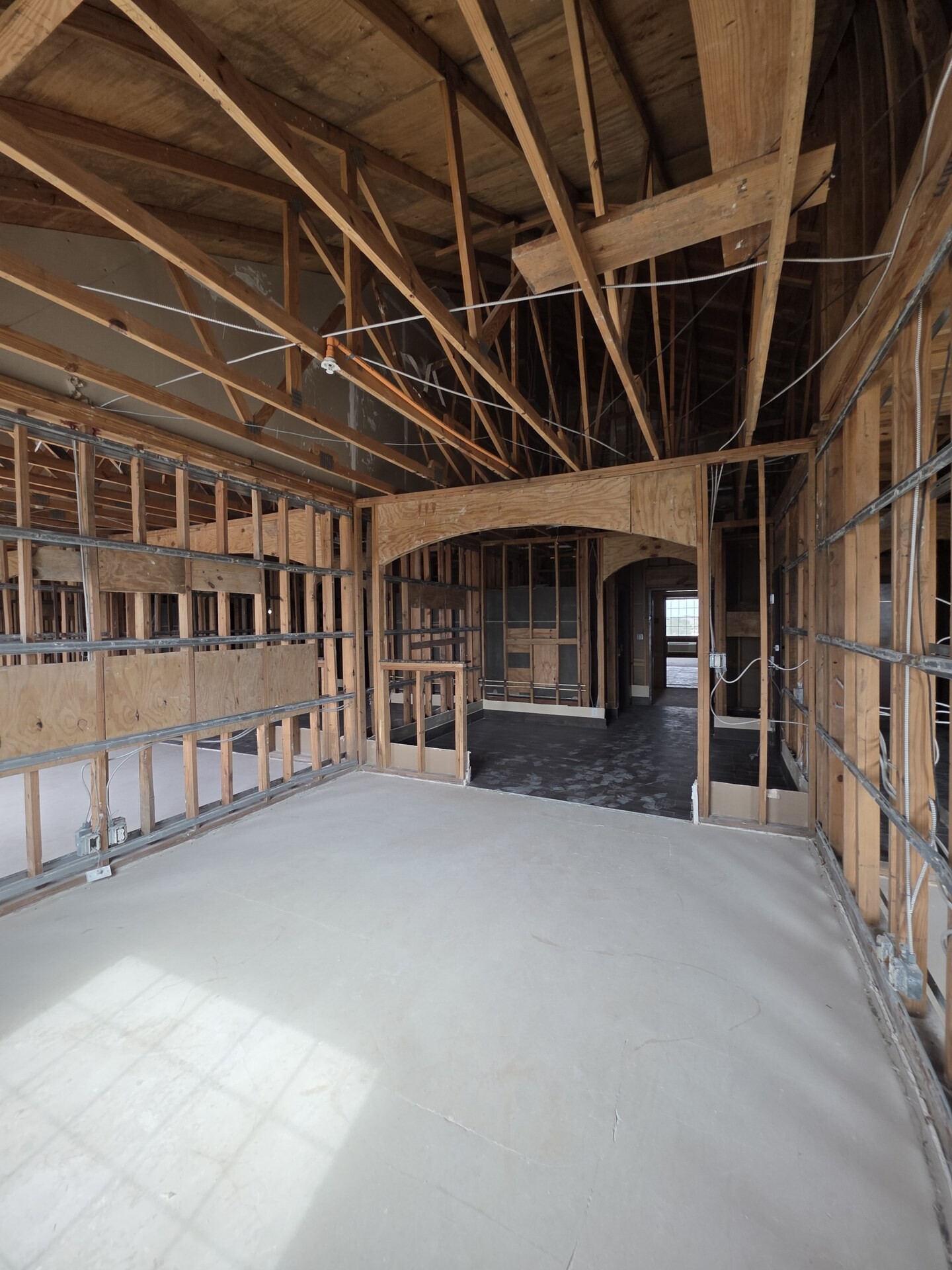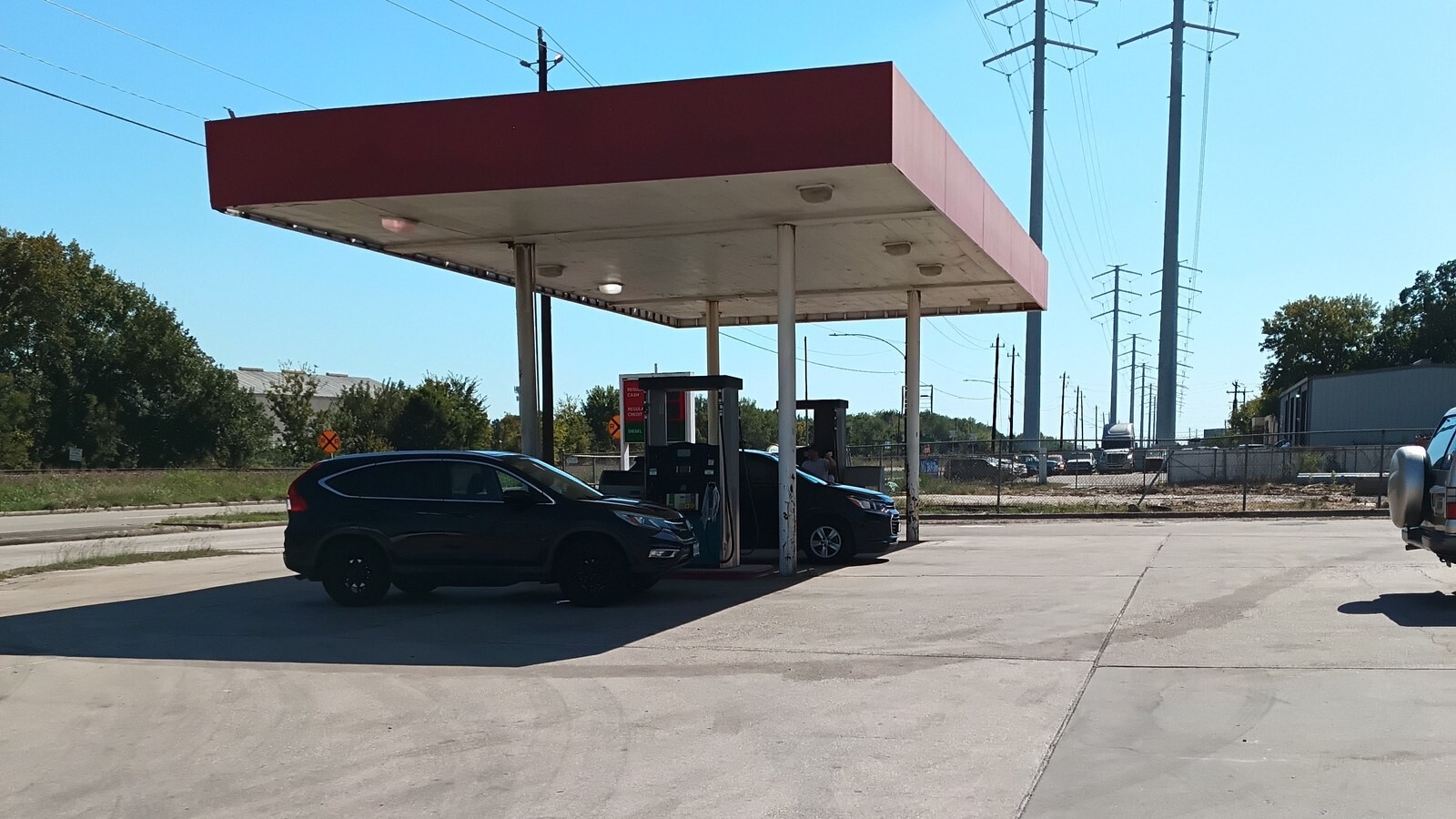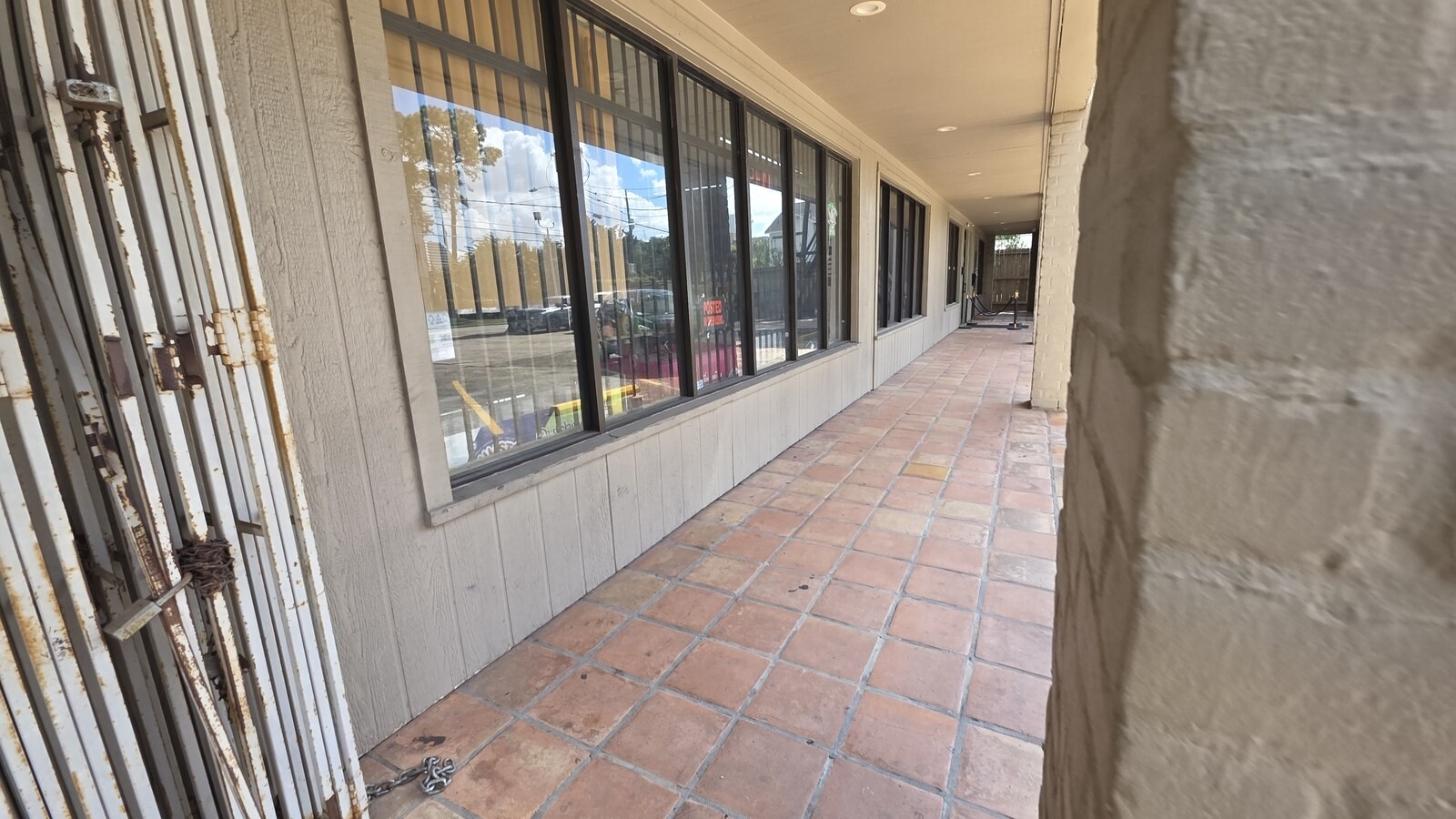
Turning a bare inline retail shell in Northeast Houston into a commercial donut shop and bakery is a heavy plumbing, gas, and ventilation project disguised as a small neighborhood storefront. Commercial fryers, proofers, convection ovens, and continuous glaze and pot washing put serious demands on below-slab grease drainage, natural gas pressure, and rooftop exhaust ventilation.
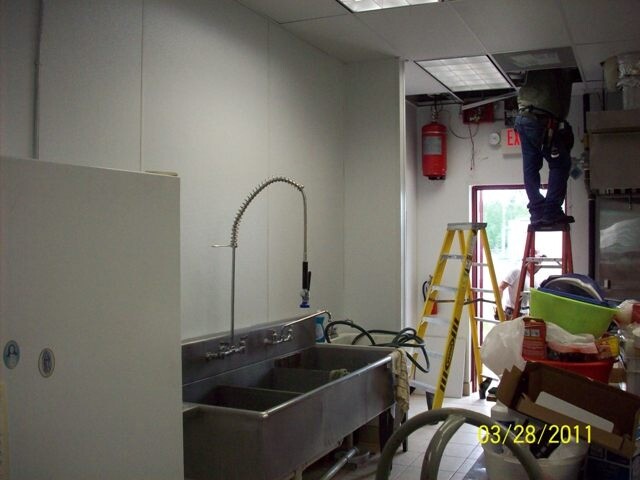
We directed the turnkey commercial kitchen and retail build-out for Best Donuts & Kolaches in Northeast Houston. We saw-cut and trenched the concrete slab to run three-inch cast-iron grease waste lines out to the exterior grease interceptor, installed the stainless steel three-compartment sink and handwash stations with indirect floor sinks, piped the overhead black-iron natural gas manifold for the fryers and ovens, hung the Type I exhaust hood, and finished the kitchen walls in washable white FRP panels.
Technical Scope & Commercial Food Service Kitchen Delivery
Directing commercial restaurant and bakery tenant improvements requires precision execution across five specialized mechanical and construction trade disciplines:
- Commercial Food Service Plumbing and Pot Sink Rough-In: Installing heavy-duty sixteen-gauge stainless steel three-compartment warewashing pot sinks equipped with flexible high-pressure pre-rinse sprayers and dual swing spouts. Crews rough-in two-inch copper domestic hot and cold water supply feeds, ensuring dedicated shutoff valves and vacuum breakers complied with regional municipal health plumbing codes.
- Subsurface Grease Waste Drainage and Interceptor Hookup: Trenching concrete floor slabs to install three-inch cast iron sanitary drain piping sloped at one-quarter inch per foot toward exterior commercial gravity grease interceptors. Crews installed deep-seal P-traps, accessible cleanout plugs, and indirect air-gap drain connections for commercial proofing cabinets and vegetable prep sinks.
- Commercial Natural Gas Distribution and High-BTU Piping: Routing heavy black iron gas piping overhead to feed high-capacity commercial donut fryers, deck baking ovens, and high-recovery commercial water heaters. Crews pressure-tested all gas distribution runs at fifty pounds per square inch, installed automatic seismic shutoff valves, and certified gas regulators for stable burner pressures.
- Commercial Kitchen Ventilation and Life-Safety Systems: Installing Type One commercial exhaust hoods over frying and baking equipment lines, complete with stainless steel baffle grease filters and exterior roof-mounted upblast exhaust fans. Crews integrated wet-chemical fire suppression systems with automatic gas line cutoff valves, microswitch interlocks, and manual pull stations adjacent to exit pathways.
- Washable Wall Assemblies and Commercial Hygienic Finishes: Cladding all kitchen, warewashing, and food prep wall partitions with white fiberglass-reinforced plastic wall panels sealed with silicone joints over water-resistant gypsum backing. Crews installed slip-resistant quarry floor tiles with waterproof epoxy grout and continuous sanitary coved base trims to facilitate daily washdowns.
Field Execution, Code Realities & Underwriting Control
On the ground, protecting the project budget and schedule comes down to enforcing strict field standards across these critical details:
- Plumbing Codes Regulate Commercial Three-compartment: Municipal health codes require all commercial food establishments to maintain a dedicated three-compartment stainless steel sink for manual dishwashing, rinsing, and sanitizing. Each sink compartment must be large enough to completely submerge the establishment largest cooking pans and baking sheets. Sinks must be supplied with hot water capable of reaching at least one hundred ten degrees Fahrenheit at the faucet. Drain lines must discharge indirectly through an air gap into a floor sink rather than directly connecting to sewer lines, preventing contaminated wastewater backflow from entering food preparation fixtures.
- Dedicated Grease Waste Separation Mandatory: Commercial donut preparation involves high-volume frying oil and shortening that quickly solidifies when cooling within commercial drainage pipes. Discharging hot fryer washdown water into standard sanitary sewers causes grease to congeal along pipe walls, forming catastrophic blockages that trigger building sewage backups and municipal environmental fines. Commercial plumbing codes mandate routing all kitchen floor drains, prep sinks, and warewashing basins through an exterior underground grease interceptor where velocity drops, allowing fats, oils, and grease to float and separate before treated effluent enters municipal sewer mains.
- Commercial Bakery Ventilation Hoods Differ: Commercial kitchen ventilation distinguishes between Type One and Type Two exhaust hoods based on grease emissions. Commercial donut fryers produce grease-laden vapors and require Type One hoods equipped with UL-listed grease filters, grease collection troughs, and integrated automatic fire suppression systems. Conversely, dry baking ovens produce steam, heat, and combustion products without heavy grease vapors, allowing the use of Type Two hoods focused on heat and moisture extraction. Utilizing properly classified hoods prevents grease buildup while optimizing mechanical exhaust energy consumption.
The Ground Truth
Bakery and donut operations generate heavy shortening grease and flour paste that will clog a poorly sloped PVC drain line in months. Using cast-iron underground piping pitched at a true quarter-inch per foot with accessible cleanouts and tying every prep and pot sink into the exterior grease trap is the only way to build a bakery kitchen that won't back up during the five-o'clock morning rush.
Coordinating the hydrostatic plumbing tests, gas pressure checks, and washable health-code finishes directly with municipal inspectors got Best Donuts & Kolaches permitted, inspected, and frying donuts without a single delay.