Small-count hospitality conversions between 40 and 50 keys sit in an awkward middle ground for purchasing. Ordering everything domestically pushes per-room costs too high for modest ADR markets, yet shipping full containers of bulky mattresses or low-margin wall vinyl wastes ocean cubic volume.
On this 43-unit Houston property conversion (spanning 34 core Kings, 5 Double-Queen-King combinations, 2 accessible suites, and 2 manager apartments), the procurement system solved that math with a disciplined low-six-figure split-channel strategy across guestroom and public-space budgets with a 14% blended freight allowance.
Splitting High-Density Imports From Bulky Domestic Stock
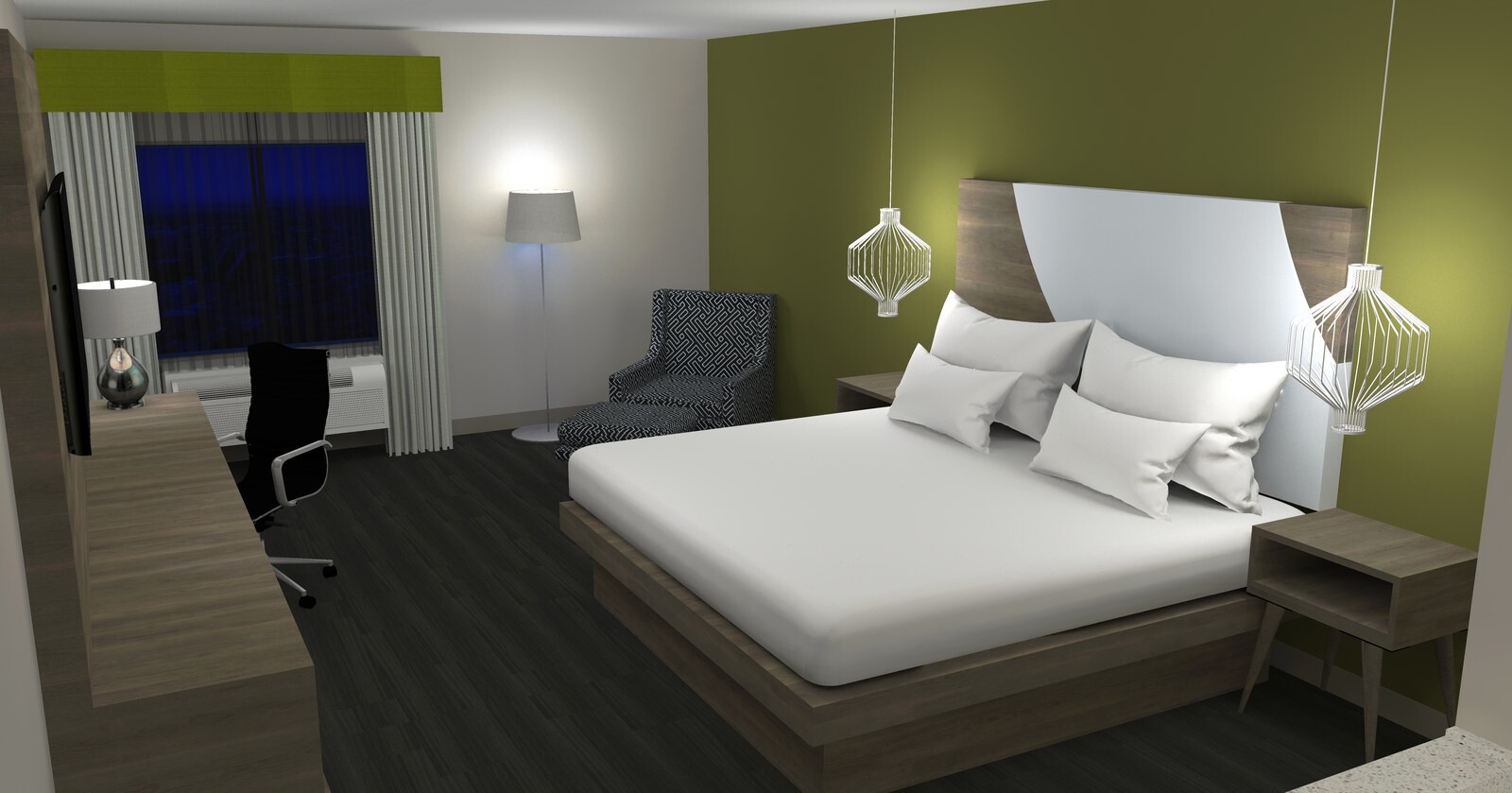
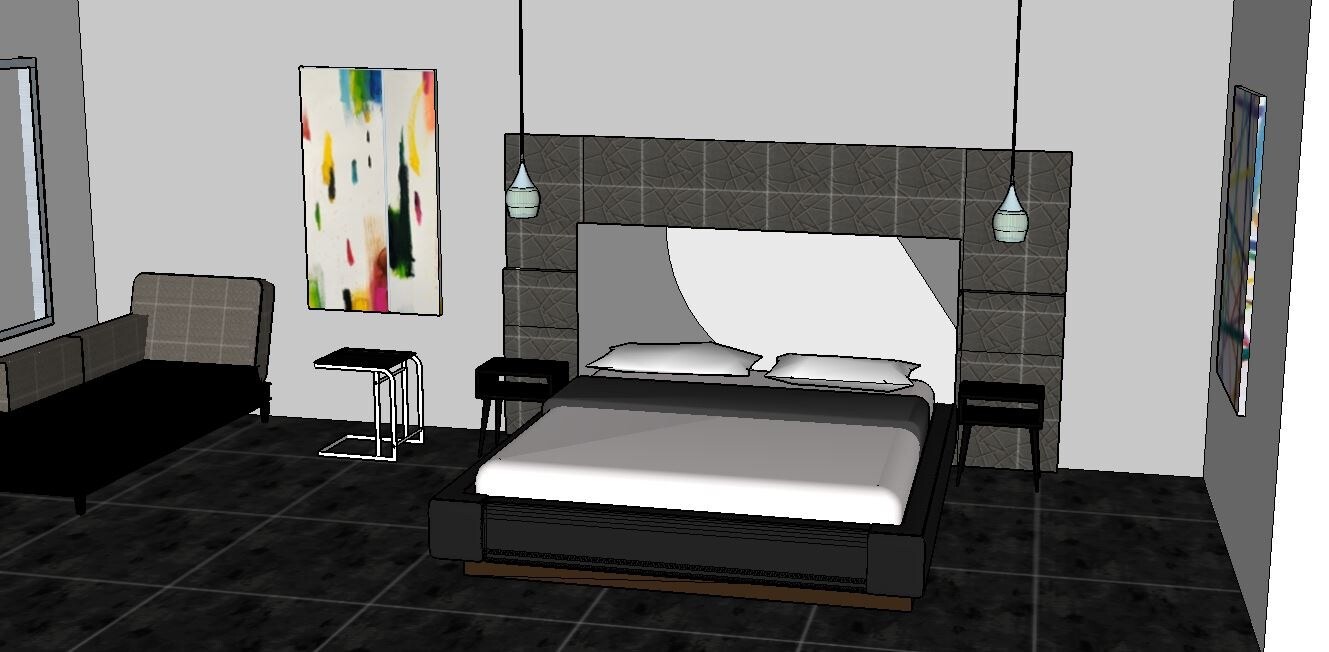
Rather than forcing every SKU through one warehouse, SketchUp 3D room modeling (tracking clean tile headboards, pendant drops, and compact seating profiles) drove separate buying channels:
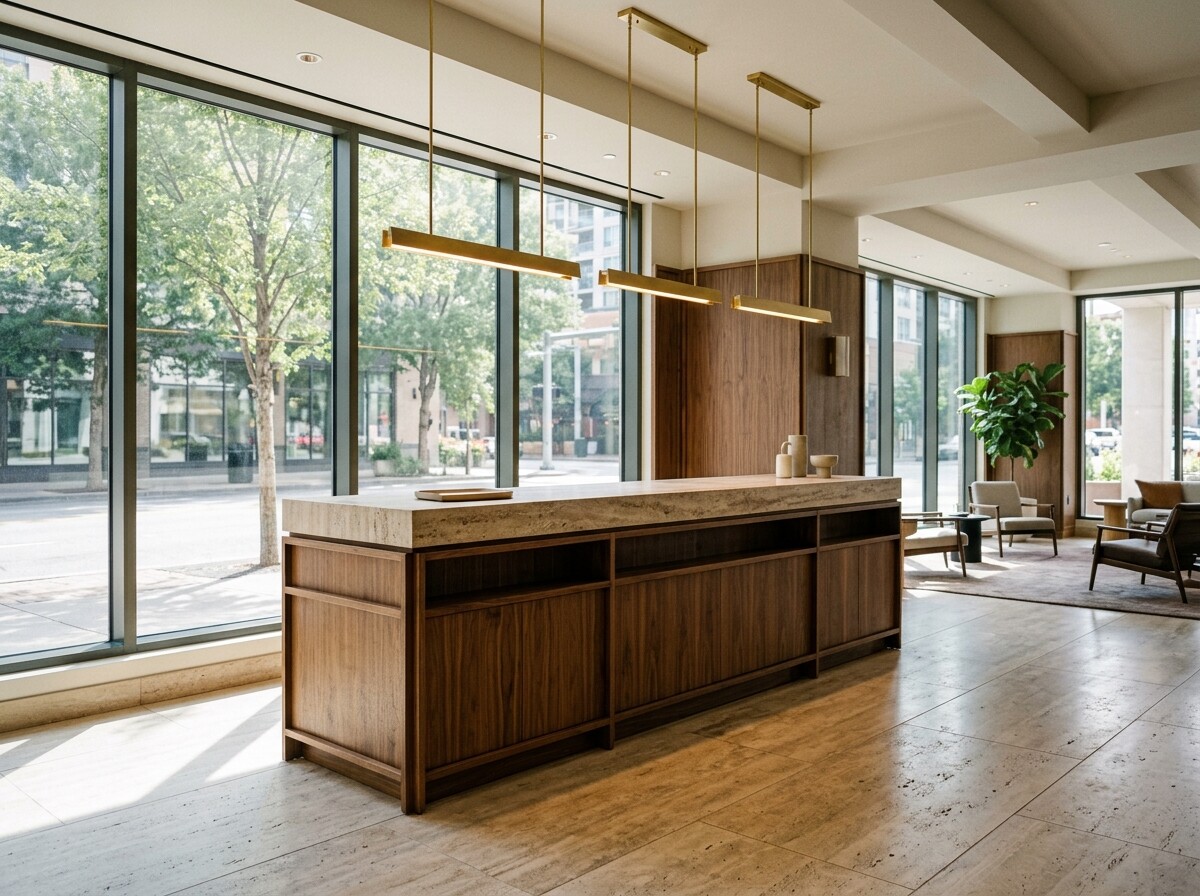
- Ocean container imports (tracked across two consolidated factory packing lists) captured high-margin casegoods, LED backlit mirrors, architectural lighting, and public banquettes at substantial direct-factory savings over domestic wholesale.
- Domestic quick-ship accounts supplied bulky pillowtop mattress sets, 7.5-to-14-inch bed bases, ADA frames, carpet tile, and 54-inch wallcovering rolls.
Hybrid procurement lets smaller hotels capture factory-direct aesthetics and container economics without starving the schedule for bulky American-standard sleep systems.