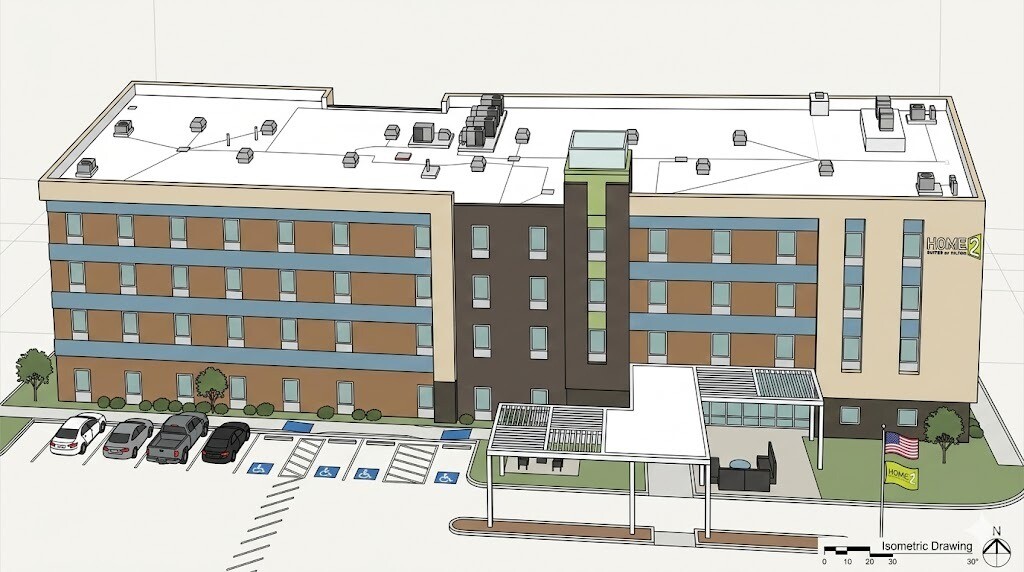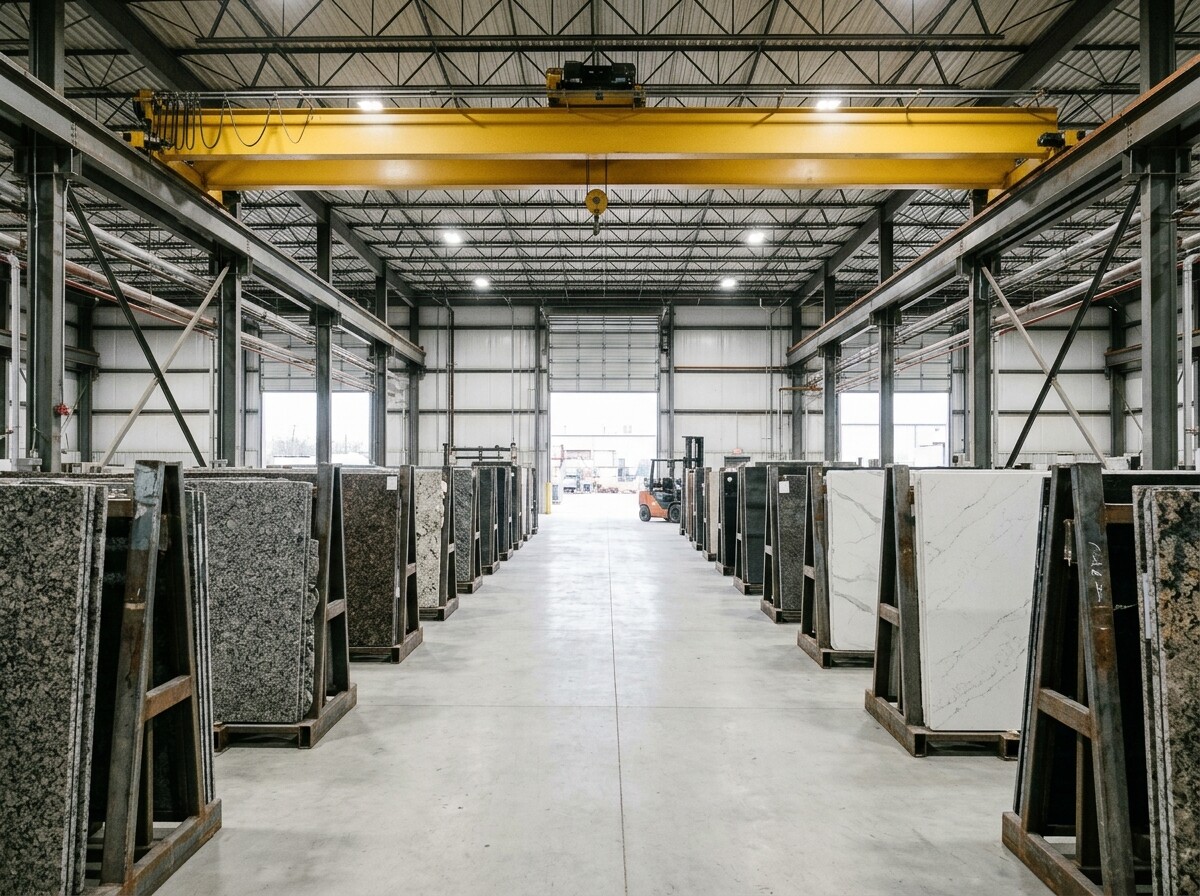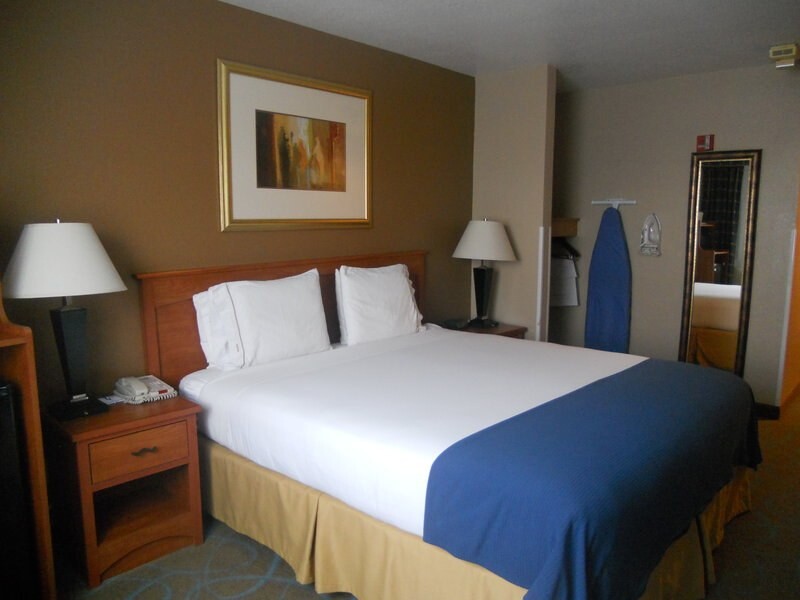
Remote rural interstate markets expose every weakness in a hospitality procurement schedule. In Northern Nevada, missing two bolts on a TV dresser or running ten yards short on sleeper-sofa upholstery does not mean a quick run to a metro distributor; it means a three-week linehaul delay.
On this corridor property renovation, procurement scaled from a sub-$100,000 casegoods baseline into a low-six-figure consolidated casegoods and seating scope carrying roughly a 10% cross-country long-haul freight component.
Quantifying Every Fixture and Fabric Roll
Across more than 106-to-110 sleeping units (32 to 34 King and 74 to 76 Queen configurations across phasing revisions), the custom 20-tab specification manual matched wood components with exact seating textile cutting yields:
- Casegoods schedule covered headboards, King and Queen nightstands, 62 dresser-TV media towers, 62 micro-fridge cabinets, 37 writing desks, and 9 hospitality credenzas.
- Seating upholstery required precise Customer's Own Material (COM) control totaling 511 textile yards: 246 yards for guestroom lounge chairs, 148 yards for task and dining seating, and 117 yards for sleeper sofas.
Tracking mill dye lots, fire-code backing, and cut-yardage waste before shipping textiles to the upholstery plant prevents mismatched bolt colors and protects scarce rural installation windows.