Executing a hotel renovation along the Texas Gulf Coast requires confronting two harsh operating realities: intense coastal atmospheric humidity and recurring storm damage. When a hurricane pushes severe wind-driven rain across a low-slope commercial roof, moisture penetrates the building envelope long before interior drywall staining becomes visible. If an owner does not strip the facade and address water damage systematically, mold and structural rot will destroy the building asset from the inside out.
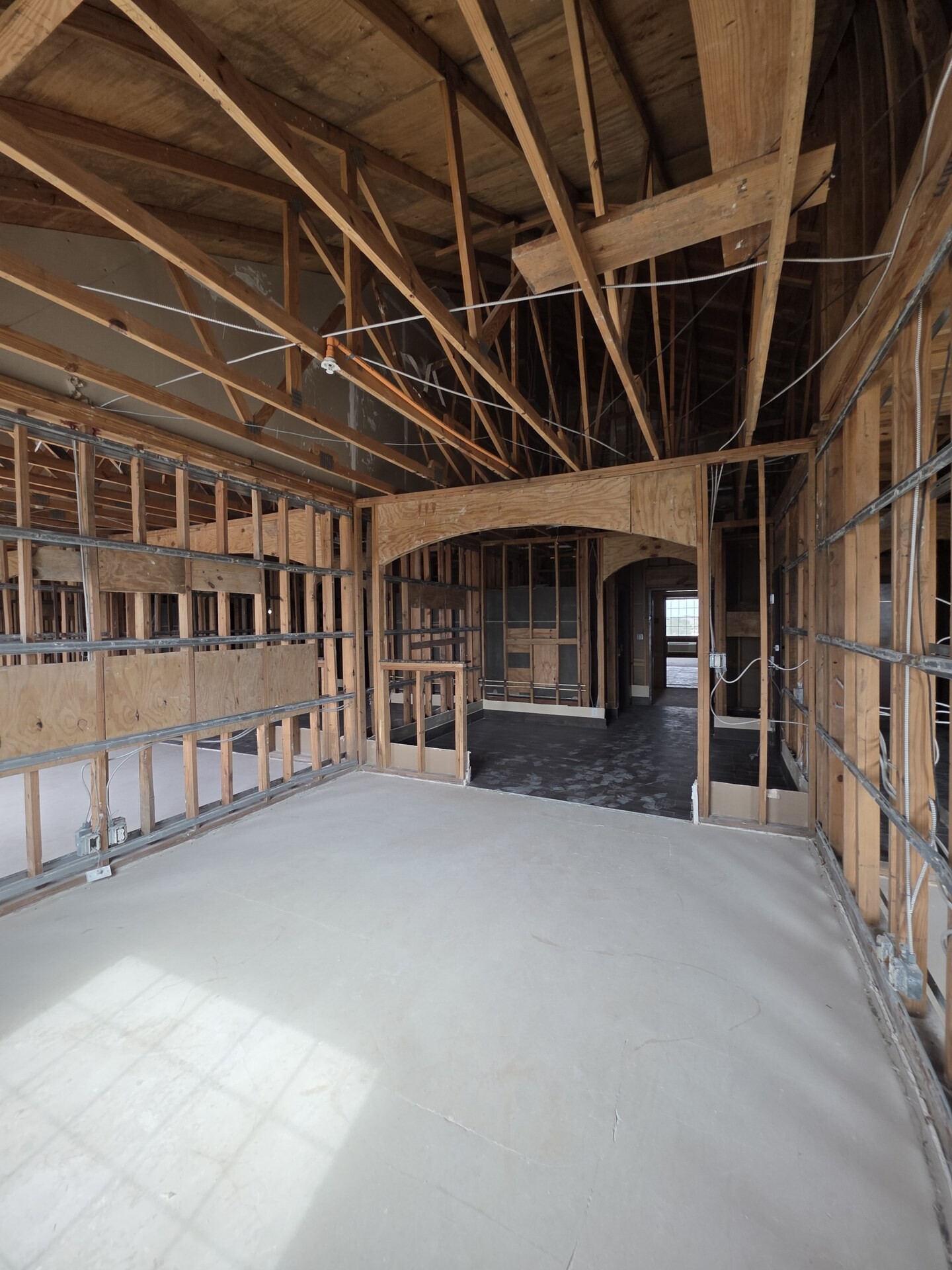
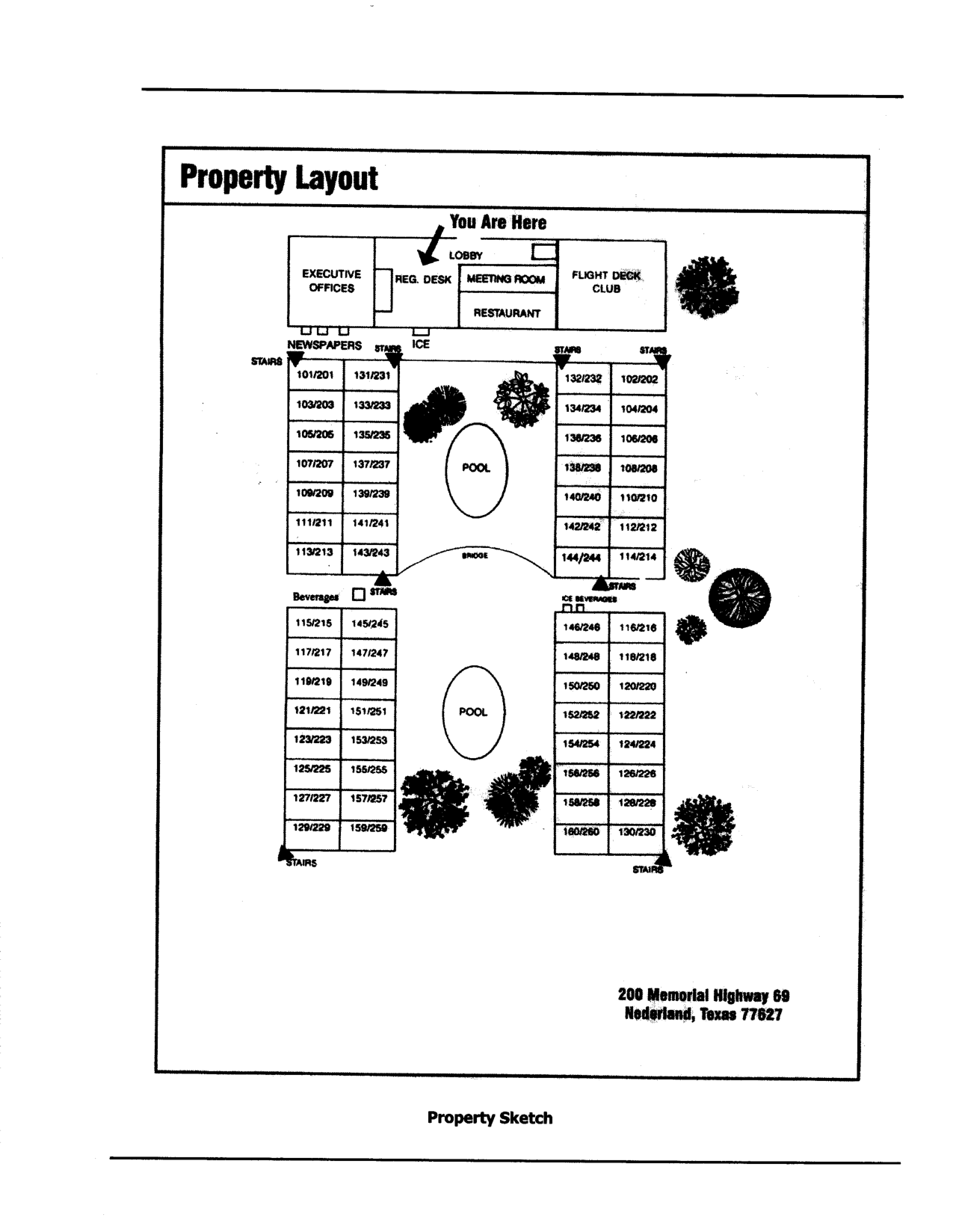
After hurricane winds and driving rain tore into a multi-wing coastal hotel on the Texas Gulf Coast during its conversion to a Quality Inn, we took over the forensic envelope audit and reconstruction management. Instead of letting a restoration contractor roll paint over trapped moisture, we stripped wet exterior insulation down to structural sheathing, replaced the low-slope roof membrane to coastal windstorm code, and separated the insurance restoration scope cleanly from the franchise PIP.
Restoring and repositioning a storm-damaged coastal hotel requires managing two interconnected execution phases: structural envelope stabilization and unbundling insurance remediation from brand PIP upgrades.
Forensic Envelope Inspection and Low-Slope Roof Replacement
You cannot begin interior hotel renovations until the building envelope is certified completely watertight:
- Conducted thermal imaging scans and destructive core samplings across multi-building commercial roof decks to map wet insulation boundaries and corroded metal decking.
- Stripped compromised multi-ply built-up roofing down to the structural steel substrate, installing high-density polyisocyanurate insulation boards and fully adhered thermoplastic polyolefin membranes.
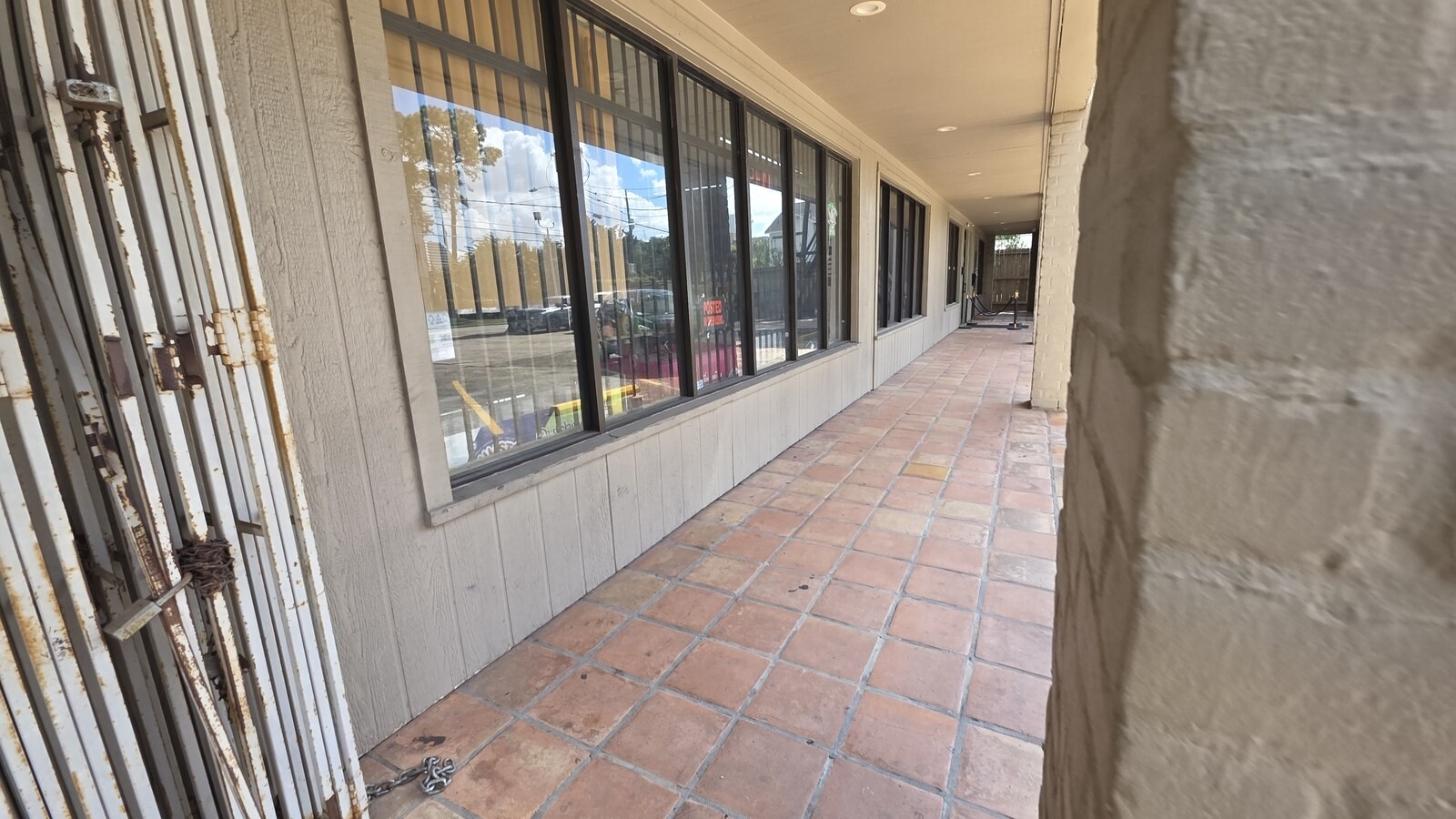
- Replaced deteriorated exterior insulation finish systems along exterior corridors, detailing heavy commercial drip screeds and elastomeric coastal waterproof sealants around all window perimeters.
- Sealed and moisture-tested exterior through-wall packaged terminal air conditioning sleeves to stop wind-driven rain penetration during seasonal coastal squalls.
Unbundling Insurance Claims from Franchise PIP Scopes
A common financial trap following hurricane damage is conflating insurance casualty repairs with mandatory brand property improvement upgrades:
- Audited independent insurance adjusters reports line by line against real-world material and commercial labor replacement costs.
- Separated covered storm-damage casualty restoration scopes from elective franchise brand enhancement items required by the Quality Inn conversion checklist.
- Standardized guestroom bathroom scopes across all accommodation wings, replacing damaged drywall partitions with water-resistant gypsum board and ceramic tile surrounds.
- Upgraded the public space registration lobby, adding durable commercial porcelain tile flooring and high-traffic vinyl wallcoverings resilient to high coastal humidity.
The Takeaway
Post-storm hospitality reconstruction is a structural engineering challenge before it is an interior cosmetic upgrade.
If an asset owner rushes to replace carpet and hang drywall before verifying the watertight integrity of the roof deck and exterior facade, moisture trapped in the wall cavities will produce catastrophic mold outbreaks within months. When you strip the damaged substrate, install high-performance commercial roofing membranes, and isolate insurance recovery from brand PIP capex, you restore structural integrity and position the asset for long-term cash flow.