Assembling contiguous land parcels in a mature, high-density urban infill district is one of the most lucrative and complex deal structures in real estate development. Unlike suburban greenfield acreage where land is purchased in a single clean transaction, urban assemblage requires negotiating with multiple independent property owners, resolving conflicting deed restrictions, and underwriting structured exit options before title closes.
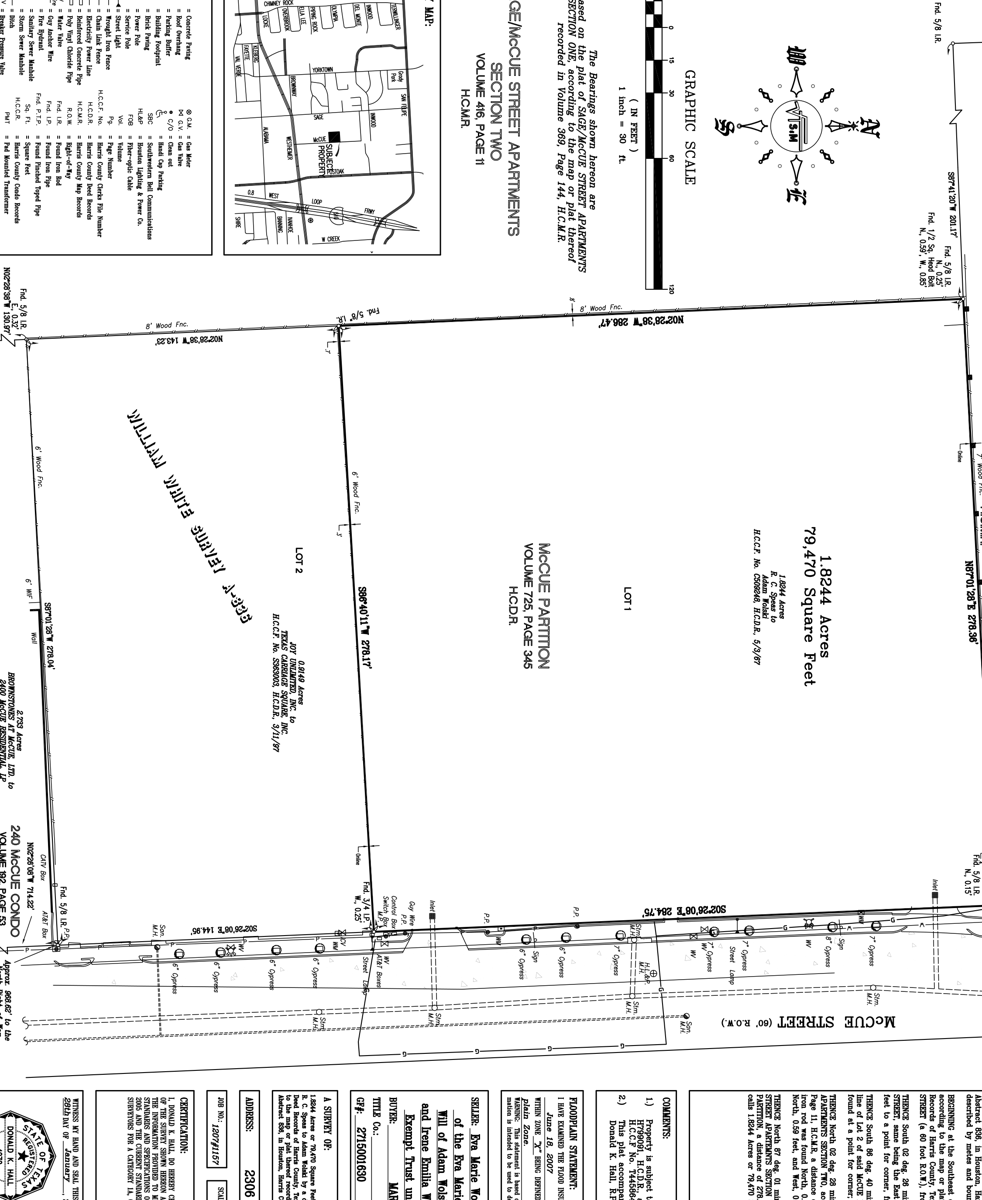
In the Greater Houston Area, TX, within an established high-density commercial and residential district, we structured the due diligence audit, land boundary reconciliation, and development feasibility for an urban multifamily assemblage. The strategy centered on acquiring adjacent legacy residential apartment parcels to assemble a contiguous redevelopment tract capable of supporting mid-rise or high-rise residential density.
Successfully executing an urban assemblage requires managing two critical underwriting phases: boundary legal due diligence and disciplined acquisition contract structuring.
Boundary Surveying and Encumbrance Due Diligence
Older urban residential parcels frequently carry decades of unrecorded municipal utility easements, conflicting property line surveys, and restrictive private subdivision covenants:
- Conducted forensic title commitments across all target tracts, verifying unbroken chains of title and confirming no outstanding mechanics liens or probate complications clouded ownership.
- Re-surveyed contiguous boundary lines to eliminate boundary encroachments, fence discrepancies, and undocumented cross-access driveways between adjacent landowners.
- Mapped existing municipal water mains, deep sanitary trunk lines, and overhead utility easements to verify subterranean utility capacity for increased residential density.
- Audited private deed restrictions against current municipal code to confirm the assembled land could legally support multi-story residential construction without restrictive neighbor covenants.
Structuring Contingent Assemblage Agreements
The fatal mistake in urban land assemblage is closing on the first parcel before securing firm purchase rights on the remaining contiguous tracts:
- Structured bilateral Letters of Intent and purchase agreements with matching closing dates and mutual contingency clauses across all target landowners.
- Built extended feasibility inspection periods into purchase contracts, allowing civil engineers and environmental consultants to complete Phase I environmental audits and geotechnical borings.
- Modeled structured density scenarios under varying building heights, calculating parking podium costs, unit mix ratios, and net rentable square footage yields.
- Negotiated options for capital extensions to provide flexibility while navigating municipal platting and commercial replat hearings.
The Takeaway
Land assemblage is an exercise in legal and contractual patience.
If a developer buys a single infill parcel without binding agreements on the adjoining tracts, holdout owners will demand extortionate prices and leave the sponsor stranded with an unviable building pad. When you conduct forensic title and survey due diligence, structure coordinated contingent contracts, and verify utility infrastructure upfront, you unlock immense land value in prime urban submarkets.