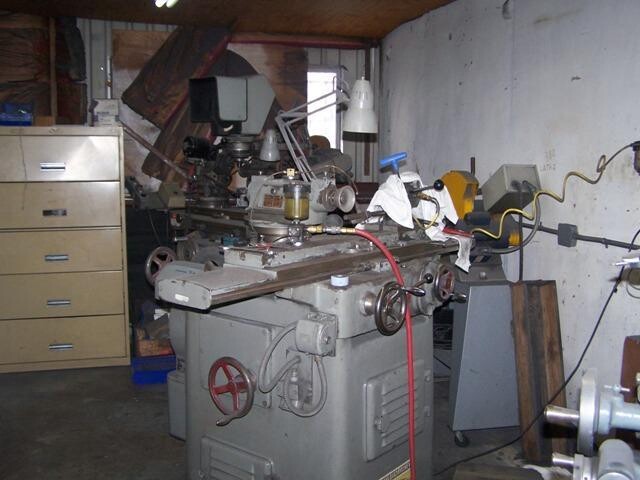
Evaluating an operating industrial manufacturing facility or precision machine shop requires technical scrutiny that standard commercial warehouse inspections never address. In a heavy machining environment, the real asset value is intertwined with industrial electrical capacity, structural foundation stability under vibrating equipment, overhead bridge crane ratings, and environmental chemical handling protocols.
In the Greater Houston Area, TX, within an active industrial manufacturing district supporting the regional energy and petrochemical sectors, we directed the facility acquisition due diligence, electrical capacity audit, and structural asset evaluation for an operating CNC machine shop. The facility housed multi-axis computer numerical control vertical machining centers, precision engine lathes, high-capacity industrial air compressors, and heavy material handling infrastructure.
Underwriting an industrial manufacturing property requires analyzing two unforgiving structural and utility requirements: heavy electrical power distribution and concrete slab vibration mitigation.
High-Amperage 480-Volt Three-Phase Electrical Infrastructure
Precision CNC machine tools draw massive electrical loads during spindle acceleration and rapid axis indexing. Inadequate facility power leads to voltage sag that corrupts precision machining tolerances:
- Audited the main commercial service switchgear, confirming a dedicated twelve-hundred-amp four-hundred-eighty-volt three-phase primary electrical supply.
- Traced overhead electrical busway runs spanning the machine shop floor, verifying flexible plug-in tap boxes that allow machinery to be relocated without rewiring panels.
- Sized step-down dry-type isolation transformers to supply clean, regulated one-hundred-twenty and two-hundred-eight-volt power to sensitive digital machine control consoles.
- Evaluated motor control centers and thermal overload breakers protecting high-horsepower central hydraulic power units and industrial metal cutting chip conveyors.
Slab Vibration Isolation and Overhead Material Handling
Industrial machining tolerances are measured in ten-thousandths of an inch. A vibration originating from an adjacent stamping press or forklift will ruin precision surface finishes:
- Verified concrete slab foundation thickness across the machining floor, confirming reinforced six-to-eight-inch structural slabs rated at four thousand pounds per square inch compressive strength.
- Evaluated isolated foundation pits for large bed-type milling machines, checking expansion joint isolation materials that decouple heavy machine vibrations from surrounding floor slabs.
- Inspected five-ton overhead bridge crane runway beams, end trucks, and hoist assemblies, verifying certified hook height clearances and structural column attachment gussets.
- Audited closed-loop cutting fluid coolant recovery systems, confirming concrete secondary containment curbs and oil-absorbent storage areas met regional environmental safety standards.
The Takeaway
An industrial manufacturing facility cannot be underwritten like a passive warehouse box.
If a buyer evaluates a machine shop purely on square footage without auditing primary electrical transformer capacities, verifying crane hook clearances, or checking floor slab thicknesses, they face crippling utility retrofits before cutting their first production run. When you confirm high-voltage power distribution, verify foundation load ratings, and audit overhead handling capacities upfront, you acquire a high-capacity industrial asset built for heavy commercial manufacturing.